Heart Attack Warning Signs in Pakistan: Symptoms, First Aid & When to Call 1122
Heart attacks happen suddenly but often give warning signs hours or days before. Learn the classic symptoms, the less obvious ones in women and people with diabetes, and what to do in the first 10 minutes.
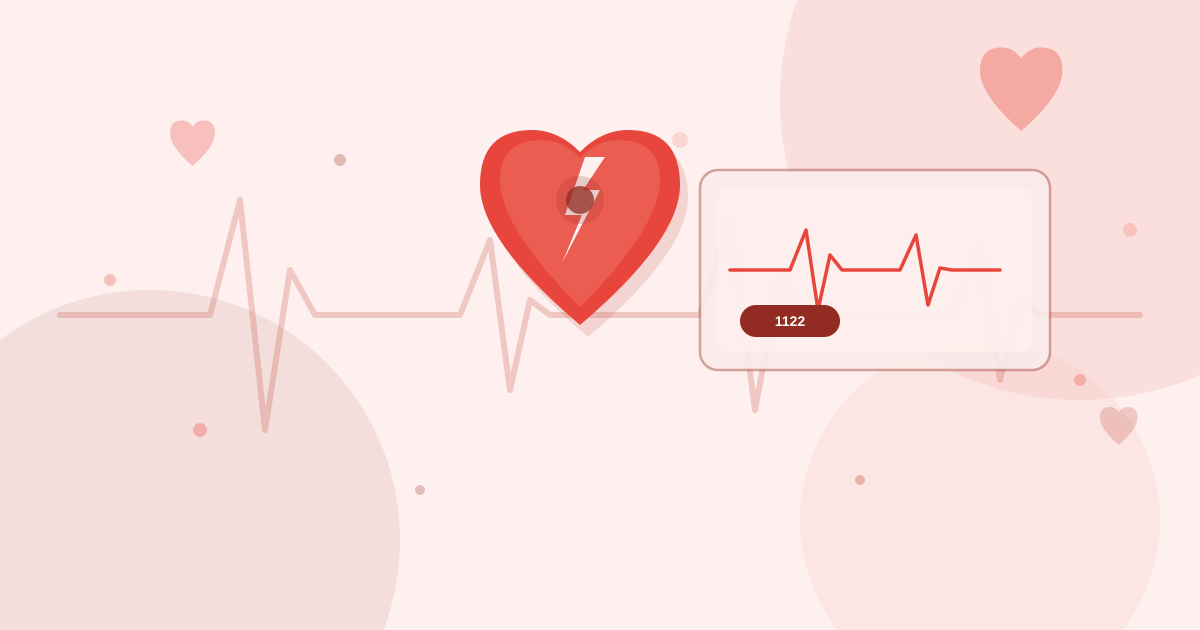
Table of Contents
- Why South Asians Are at Higher Risk
- Atypical Symptoms — Especially in Women and Diabetics
- What to Do in the First 10 Minutes
- Heart Attack vs Angina vs Panic Attack — Key Differences
- After a Suspected Heart Attack
- Related Medicines & Tools
- Frequently Asked Questions
- What is the number to call for a heart attack emergency in Pakistan?
- Can a heart attack happen without chest pain?
- Is aspirin always safe to give during a suspected heart attack?
- Why do Pakistanis get heart attacks at a younger age?
- What is the difference between a heart attack and cardiac arrest?
- How quickly must a heart attack be treated?
- Can women's heart attack symptoms be different from men's?
- What tests confirm a heart attack at the hospital?
- What lifestyle changes reduce heart attack risk?
- Is it safe to exercise after a heart attack?
- What foods should I avoid if I have heart disease?
- Related reading
Quick Answer
A heart attack happens when a blocked artery cuts blood supply to the heart muscle. Classic signs include chest pressure, left arm or jaw pain, and cold sweats — but in women and diabetics, symptoms are often milder or atypical. Call 1122 immediately, chew 300 mg aspirin if not allergic, and do not drive yourself to the hospital.
Pakistan has one of the highest rates of cardiovascular disease in South Asia, with heart attacks (dil ka dorah) striking at younger ages than in Western populations. South Asians tend to develop coronary artery disease 5–10 years earlier than Europeans — and the classic textbook presentation is only half the story. Knowing what to look for, and what to do in the first ten minutes, can save a life.
8 Warning Signs You Should Never Ignore
Heart attack symptoms in Pakistani adults — including atypical presentations
Chest Pressure or Tightness
A squeezing, crushing, or heavy weight on the chest lasting more than 5 minutes — the most recognisable sign of a heart attack.
Left Arm or Shoulder Pain
Pain or numbness radiating from the chest down the left arm is a hallmark symptom, though either arm can be affected.
Jaw, Neck or Back Pain
Unexplained pain in the jaw, neck, or upper back — especially without an obvious muscular cause — can indicate cardiac origin.
Shortness of Breath
Sudden difficulty breathing, with or without chest discomfort, can be the only warning sign, particularly in women and elderly patients.
Cold Sweats & Nausea
Breaking into a cold sweat (*thanda paasina*), nausea, or vomiting alongside other symptoms is a serious red flag.
Sudden Dizziness or Fainting
Feeling lightheaded, losing balance suddenly, or briefly passing out — often a sign that the heart is not pumping effectively.
Unusual Fatigue
Extreme, unexplained tiredness — especially in women — can precede a heart attack by days. Do not dismiss as overwork or anaemia alone.
Palpitations or Irregular Heartbeat
Rapid fluttering (*dil ki dhadkan*) or a feeling that the heart is skipping beats warrants prompt evaluation if new or worsening.
Why South Asians Are at Higher Risk
South Asian populations — including Pakistanis — develop coronary artery disease at a significantly younger age than Europeans, even at lower BMI values. The reasons are multifactorial: a genetic predisposition to higher lipoprotein(a) and insulin resistance, diets high in refined carbohydrates and saturated fats (ghee, dalda), physical inactivity, and high rates of undiagnosed diabetes and hypertension. A 45-year-old Pakistani man with no prior history of cardiac disease is already at a risk level comparable to a 55-year-old European.
Uncontrolled diabetes is a major accelerant — it damages blood vessel walls silently for years before a first event. Hypertension (high BP) and smoking further compound this. If you have any of these risk factors, discuss a cardiovascular risk assessment — including an ECG and lipid panel — with your doctor proactively, not just after symptoms appear.
Atypical Symptoms — Especially in Women and Diabetics
Women, older adults, and those with long-standing diabetes often do not have the classic crushing chest pain. Instead, they may experience jaw discomfort mistaken for a dental problem, persistent indigestion or heartburn that doesn't respond to antacids, unexplained fatigue lasting several days, or mild shortness of breath on minimal exertion. These 'silent' or atypical presentations are more likely to be dismissed — both by the patient and, unfortunately, sometimes by healthcare providers. If any combination of these symptoms appears suddenly in someone with cardiac risk factors, treat it as a potential emergency.
What to Do in the First 10 Minutes
- Call 1122 (Punjab) or the nearest emergency number immediately — do not drive yourself.
- Chew (do not swallow whole) 300 mg aspirin if the person is not allergic and is not already on anticoagulants.
- Sit or lie down in the most comfortable position — usually sitting upright eases breathing.
- Loosen tight clothing — collars, belts, ties.
- If the person becomes unresponsive and stops breathing normally, start CPR if you are trained.
- Unlock the front door and stay on the phone with the dispatcher until help arrives.
- Do not give food, water, or any other medicine without emergency guidance.
Critical: Aspirin Dose Matters
The emergency dose is 300 mg chewed — not a standard 75 mg maintenance tablet. Do not give aspirin if the person has a known aspirin allergy, active stomach bleeding, or is taking warfarin or other anticoagulants. When in doubt, skip it and focus on getting emergency help.
Heart Attack vs Angina vs Panic Attack — Key Differences
| Feature | Heart Attack | Angina | Panic Attack |
|---|---|---|---|
| Duration | Usually >20 min, doesn't fully resolve with rest | Typically <15 min, eases with rest or nitrate | 10–30 min, resolves on its own |
| Pain character | Crushing, squeezing, heavy pressure | Tight, squeezing — same feel but milder | Sharp, often shifting location |
| Onset | Often at rest or minimal exertion | Triggered by physical effort or cold | Often during stress or anxiety |
| Nausea/sweating | Common | Uncommon unless severe | Common — can mimic heart attack |
| ECG changes | Yes — ST elevation or depression | May show changes during episode | Normal |
| What to do | Call 1122 immediately | Use prescribed nitrate; go to ER if no relief | Breathe slowly; seek care if first episode |
After a Suspected Heart Attack
Even if symptoms ease quickly — which can happen with a transient blockage or angina — do not delay assessment. At the hospital, an ECG and troponin blood test (a protein released when heart muscle is damaged) will confirm or rule out a heart attack within 1–3 hours. If a heart attack is confirmed, treatment options include clot-dissolving medication (thrombolysis), or ideally a procedure called primary PCI (angioplasty) to open the blocked artery. The faster the artery is reopened, the less permanent damage occurs — which is why every minute matters.
Related Medicines & Tools
Several medicines are commonly used in heart attack treatment and secondary prevention in Pakistan. Always follow your cardiologist's prescription — doses and combinations vary by individual risk.
Medicine Reference
Ascard (Aspirin 75 mg)
Low-dose aspirin for long-term antiplatelet therapy after a cardiac event.
View encyclopedia entryMedicine Reference
Loprin (Aspirin 75 mg)
Daily antiplatelet tablet prescribed after heart attack to prevent clot re-formation.
View encyclopedia entryMedicine Reference
Crestat (Rosuvastatin)
High-potency statin for reducing LDL cholesterol and cardiovascular risk.
View encyclopedia entryYour doctor may also recommend a BMI and waist-to-hip ratio check to assess overall cardiovascular risk alongside your cholesterol and blood pressure results.
Frequently Asked Questions
What is the number to call for a heart attack emergency in Pakistan?
In Punjab, call 1122 (Rescue). In Sindh, call 115 (Edhi or Aman Ambulance). In KPK, call 1122 or 115. Karachi has private ambulance services like Chippa (1020) and Aman Foundation (115). Save these numbers in your phone before you need them — in an emergency, every second saved matters.
Can a heart attack happen without chest pain?
Yes — and it's more common than most people realise. Studies suggest up to 30% of heart attacks, particularly in women and diabetic patients, present without classic chest pain. Symptoms may include sudden jaw discomfort, unusual fatigue, nausea, or shortness of breath alone. This is why any combination of unexplained symptoms in someone with risk factors should be treated seriously.
Is aspirin always safe to give during a suspected heart attack?
Not always. Aspirin is contraindicated if the person has a known aspirin allergy, active GI bleeding or any other active bleeding, or is on anticoagulants like warfarin. It should also be withheld if an aortic dissection is suspected — a tearing chest or back pain that radiates between the shoulder blades, or a marked difference in blood pressure between the two arms — because thinning the blood makes that condition worse, not better. If you're unsure, skip the aspirin and focus on getting emergency help. The 1122 dispatcher can also guide you in real time.
Why do Pakistanis get heart attacks at a younger age?
South Asians — including Pakistanis — have a genetic predisposition to higher lipoprotein(a), central obesity, and insulin resistance even at normal body weight. Combined with high rates of undiagnosed diabetes, hypertension, smoking, and a diet rich in refined carbohydrates and saturated fat, this creates a cardiovascular risk that manifests 5–10 years earlier than in Western populations.
What is the difference between a heart attack and cardiac arrest?
A heart attack is a circulation problem — a blocked artery starves part of the heart muscle of oxygen. The person is usually conscious and breathing. Cardiac arrest is an electrical problem — the heart stops beating entirely and the person collapses, becomes unresponsive, and stops breathing normally. Cardiac arrest requires immediate CPR and a defibrillator. A heart attack can lead to cardiac arrest if not treated promptly.
How quickly must a heart attack be treated?
The first 90 minutes are critical — cardiologists call this the 'golden window'. Each 30-minute delay in opening a blocked artery increases mortality risk significantly. Angioplasty (PCI) performed within 90 minutes of symptom onset produces the best outcomes. This is why calling 1122 the moment symptoms appear is more important than waiting to see if they pass.
Can women's heart attack symptoms be different from men's?
Yes. Women are more likely than men to experience atypical symptoms — jaw or back pain, severe fatigue, nausea, or shortness of breath — without the classic crushing chest pressure. These are sometimes dismissed as anxiety or gastrointestinal problems. Women also tend to have heart attacks later in life on average but experience worse outcomes partly because of delayed recognition and treatment.
What tests confirm a heart attack at the hospital?
The two key tests are an ECG (electrocardiogram), which shows electrical changes from heart muscle damage, and a troponin blood test, which detects a protein released when heart cells are injured. A troponin result is usually available within 1–3 hours. A chest X-ray and echocardiogram may follow to assess heart function and structure.
What lifestyle changes reduce heart attack risk?
The most impactful changes are: quitting smoking, controlling blood pressure and blood sugar, achieving a healthy waist circumference (below 90 cm for men, 80 cm for women in South Asians), eating more vegetables and reducing refined carbohydrates, walking 30 minutes daily, and taking prescribed medications consistently. Even modest risk factor control significantly reduces the probability of a first or repeat cardiac event.
Is it safe to exercise after a heart attack?
Yes — with medical clearance and a structured cardiac rehabilitation programme. Exercise is one of the strongest evidence-based interventions for preventing a second heart attack. Most cardiologists recommend a supervised walking programme starting 1–2 weeks after discharge, gradually increasing intensity. Avoid strenuous exertion until your cardiologist gives the go-ahead.
What foods should I avoid if I have heart disease?
Limit: trans fats (vanaspati/dalda), commercially fried foods, red and processed meat, excess table salt, and sugary drinks. Prioritise: vegetables, legumes (daal), whole grains, fish, and olive or canola oil instead of ghee for daily cooking. Small practical swaps — like replacing white rice with brown rice or reducing biryani portions — can meaningfully lower cardiovascular risk over time.
Related reading
Medical Sources
- WHO. Cardiovascular diseases fact sheet.
- AHA. Life's Essential 8.
- NICE CG181 — Cardiovascular disease: risk assessment and reduction, including lipid modification.
- Jafar TH et al. Prevalence and determinants of hypertension in Pakistan. Circulation. 2005.
- Pakistan Cardiac Society — Guidelines for Acute Coronary Syndromes Management.
Share
Medical disclaimer
Ye article sirf educational maqsad ke liye hai. Personal diagnosis, dosing, aur treatment decision ke liye doctor se mashwara karein.
Related posts
Joint Pain in Pakistan: Common Causes, Self-Care & When to See a Doctor
9 min read
Smog and Your Lungs in Pakistan: Symptoms, Risk, and How to Protect Yourself
10 min read

Diabetes Diet Plan for Pakistanis: What to Eat and Avoid - Evidence-Based Guide
9 min read
Diabetes Symptoms: 10 Early Signs in Pakistani Adults
10 min read