Joint Pain in Pakistan: Common Causes, Self-Care & When to See a Doctor
Joint pain is one of the most common reasons Pakistani adults visit a doctor. Learn the most likely causes — from osteoarthritis and gout to rheumatoid arthritis and vitamin D deficiency — what helps at home, and when joint pain needs medical evaluation.
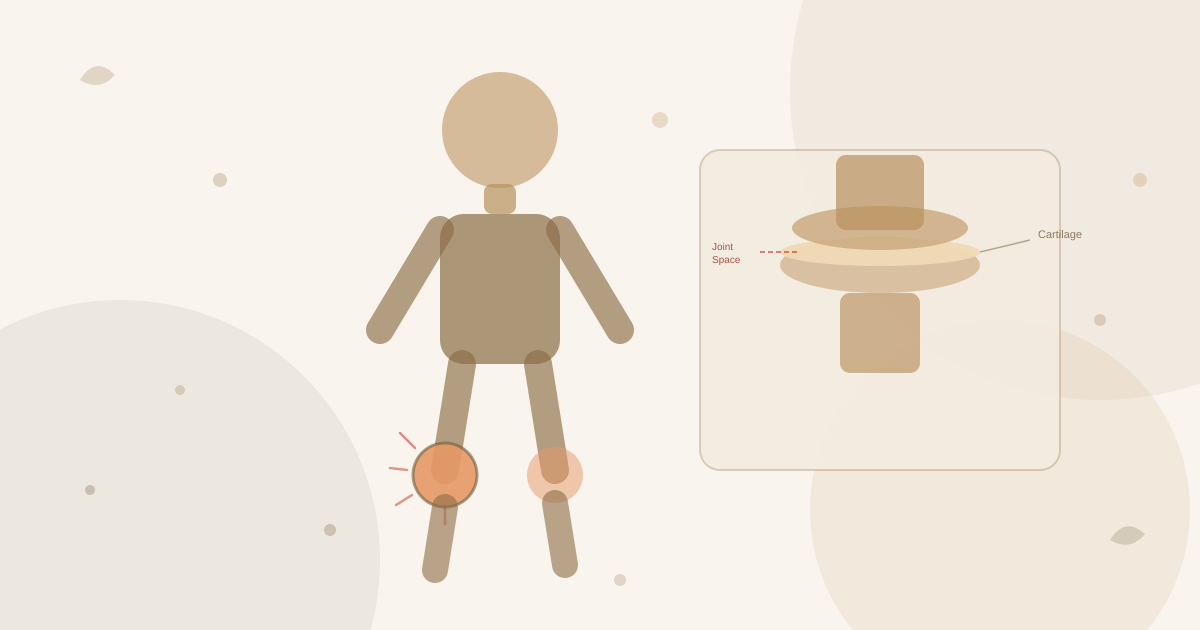
Table of Contents
- Most Common Causes of Joint Pain in Pakistan
- Osteoarthritis (Wear-and-Tear)
- Gout
- Rheumatoid Arthritis (RA)
- Vitamin D & Calcium Deficiency
- Osteoarthritis vs Rheumatoid Arthritis vs Gout — Key Differences
- When to See a Doctor — Red Flags
- Medicines Commonly Used in Pakistan
- Frequently Asked Questions
- Why is joint pain so common in Pakistani women?
- Can vitamin D deficiency really cause joint pain?
- What foods trigger gout flares?
- Is exercise safe with osteoarthritis?
- What blood tests should I ask for if I have joint pain?
- Does cold weather worsen joint pain?
- Are glucosamine and chondroitin supplements worth taking?
- When is a knee replacement needed?
- Can children develop joint pain, and what causes it?
- Is physiotherapy helpful for joint pain?
- Related reading
Quick Answer
Joint pain (joron mein dard) in Pakistan is most commonly caused by osteoarthritis, vitamin D deficiency, gout, or rheumatoid arthritis. Most mild-to-moderate joint pain responds well to rest, heat or cold therapy, and over-the-counter anti-inflammatories. See a doctor urgently if a joint is red, hot, and swollen — especially after injury — or if pain is severe enough to limit daily activity.
Joint pain is among the most common reasons Pakistanis visit a clinic or pharmacy. From knee pain in older women (ghutno mein dard) to sudden gout flares in middle-aged men, the causes are varied — and so are the treatments. Understanding the most likely cause for your age, gender, and symptoms helps you choose the right self-care step before deciding whether a doctor visit is needed.
6 Self-Care Steps That Actually Work
Evidence-based relief for joint pain at home — before or alongside medical care
Ice in First 48 Hours
For acute injury or flare, apply an ice pack wrapped in cloth for 15–20 minutes every 2–3 hours. Reduces swelling and numbs sharp pain.
Heat for Chronic Stiffness
After the first 48 hours, a warm compress or hot water bottle loosens stiff joints — particularly helpful for osteoarthritis and morning stiffness.
Gentle Movement Daily
Staying still worsens joint stiffness. A 20–30 min walk on flat ground helps maintain mobility and prevents muscle wasting around the joint.
Weight Management
In one knee-osteoarthritis study, every 1 kg of weight loss reduced knee-joint loading by about 4 kg per step. Even modest weight reduction can reduce pain and improve mobility and function.
Vitamin D Supplementation
Pakistan has very high rates of vitamin D deficiency — a major contributor to widespread joint and bone pain. A 25-OH Vitamin D blood test clarifies your level.
Use Anti-Inflammatories Carefully
Oral or topical NSAIDs can reduce pain and inflammation, but the right medicine and dose depend on your health, age, other medicines, and the affected joint. Never combine two NSAIDs unless a clinician advises it.
Your Daily Joint-Care Routine
Apply heat
to a chronically stiff joint before activity
Warm up gently
5 min light walking or stretching
Move at low impact
walking, swimming, cycling
Apply ice after
if joints feel inflamed post-activity
Rest adequately
avoid prolonged standing or sitting
Most Common Causes of Joint Pain in Pakistan
Osteoarthritis (Wear-and-Tear)
The most prevalent cause, especially after age 45. Knees, hips, lower back, and the base of the thumb are commonly affected. Osteoarthritis usually causes more pain with activity, short-lived morning stiffness, and gradual joint changes. Management focuses on symptom control, strengthening exercises, and weight management.
Gout
A sudden, severe attack of pain — classically in the big toe, often at night — caused by uric acid crystal deposits in the joint. More common in men who consume red meat, organ meats (gurda, kaleji), and sugary drinks regularly. The joint becomes intensely red, hot, swollen, and tender to even light touch. Diagnosed with a serum uric acid level and confirmed clinically. Treated acutely with colchicine or NSAIDs; long-term with allopurinol if recurrent.
Rheumatoid Arthritis (RA)
An autoimmune condition that causes pain, swelling, and longer-lasting morning stiffness — typically affecting the small joints on both sides of the hands and feet. Unlike osteoarthritis, RA is not just wear-and-tear; the immune system attacks the joint lining. Early diagnosis and treatment with disease-modifying drugs (DMARDs) like methotrexate is critical to prevent permanent joint damage.
Vitamin D & Calcium Deficiency
Widespread in Pakistan, particularly in women who cover up outdoors and people who spend limited time in direct sunlight. Deficiency causes widespread diffuse aching in bones and muscles — sometimes confused with fibromyalgia or RA. A simple blood test (25-OH Vitamin D) confirms the diagnosis. Supplementation often produces dramatic improvement within 4–8 weeks.
Osteoarthritis vs Rheumatoid Arthritis vs Gout — Key Differences
| Feature | Osteoarthritis | Rheumatoid Arthritis | Gout |
|---|---|---|---|
| Age of onset | Usually 45+ | Any age, peak 30–50 | Men 30–50, women post-menopause |
| Joints affected | Knees, hips, spine, thumb | Small joints — fingers, wrists, toes (symmetric) | Big toe, ankle, knee (asymmetric) |
| Pain pattern | Worse with activity, better with rest | Morning stiffness >30 min, improves with activity | Sudden severe attack, often at night |
| Swelling/redness | Mild, bony | Soft, warm, symmetric | Intense redness, extreme tenderness |
| Blood markers | Usually no specific blood-test abnormality | CRP/ESR may be raised; RF and anti-CCP can support diagnosis but may be negative | Serum urate may be raised, but a normal result during a flare does not rule out gout |
| Treatment | Exercise, analgesia, weight loss | DMARDs (methotrexate), biologics | Colchicine, NSAIDs, allopurinol |
When to See a Doctor — Red Flags
- Joint is red, hot, visibly swollen, and extremely tender — could be infection (septic arthritis) or gout, both needing urgent treatment
- Pain follows an injury or fall and you cannot bear weight — possible fracture or ligament tear
- Morning stiffness lasting more than 30 minutes in multiple joints — suggestive of inflammatory arthritis
- Fever alongside joint pain — joint infection or reactive arthritis
- Pain in multiple joints coming and going without obvious cause in a person under 40
- No improvement after 2 weeks of consistent rest and anti-inflammatory treatment
- Joint pain with a skin rash, especially butterfly-shaped across the face (possible lupus)
Medicines Commonly Used in Pakistan
These medicines are commonly prescribed or available over the counter in Pakistan. Always confirm dose and duration with your doctor or pharmacist — self-medicating NSAIDs long-term significantly increases risk of stomach ulcers and kidney problems.
Medicine Reference
Synflex (Naproxen)
NSAID used for acute joint pain, osteoarthritis, and gout — longer acting than ibuprofen.
View encyclopedia entryMedicine Reference
Apranax (Naproxen sodium)
Anti-inflammatory tablet for arthritis flares and acute musculoskeletal pain.
View encyclopedia entryMedicine Reference
Osnate-D (Calcium + Vitamin D)
Bone health supplement commonly prescribed for vitamin D deficiency and osteoporosis prevention in Pakistan.
View encyclopedia entryNSAID Safety
Ibuprofen, diclofenac, and naproxen can reduce pain and swelling, but frequent or long-term use can increase the risk of stomach ulcers or bleeding, high blood pressure, and kidney problems. Use the lowest effective dose for the shortest time needed, and do not take two NSAIDs together unless a doctor advises it. Take them with food if they upset your stomach; do not routinely add an antacid unless a healthcare professional recommends one. If you need NSAIDs regularly, seek medical advice.
Frequently Asked Questions
Why is joint pain so common in Pakistani women?
Several factors contribute to osteoarthritis risk, including increasing age, previous joint injuries, excess body weight, genetics, and repeated joint stress. Other factors—including vitamin D deficiency, hormonal changes after menopause, and prolonged floor sitting—may contribute to musculoskeletal symptoms or make existing pain harder to manage. Delaying medical care can also allow symptoms and loss of function to become more severe.
Can vitamin D deficiency really cause joint pain?
Yes — and it's underdiagnosed in Pakistan. Severe vitamin D deficiency causes osteomalacia, a condition where bones become soft and ache, often misattributed to arthritis. The pain is typically diffuse, affecting the whole body rather than specific joints. A simple 25-OH Vitamin D blood test diagnoses it. Supplementation with vitamin D3 (often paired with calcium) typically produces significant improvement within 4–8 weeks.
What foods trigger gout flares?
High-purine foods raise uric acid and trigger gout: red meat, organ meats (gurda, kaleji, maghaz), seafood, beer and spirits, and sugary drinks (especially fructose-sweetened juices). During an active flare, avoiding these completely is important. Long-term, those with recurrent gout should limit red meat to 2–3 portions per week and switch from sugary drinks to water.
Is exercise safe with osteoarthritis?
Yes. Exercise is one of the most effective treatments for osteoarthritis. Walking, swimming, cycling, and strengthening exercises can improve muscle strength, joint function, and pain over time. High-impact activities such as running or jumping may need to be modified if they clearly worsen symptoms. If pain becomes noticeably worse after exercise or lasts for several hours, reduce the intensity or duration rather than stopping completely, and increase activity gradually as tolerated.
What blood tests should I ask for if I have joint pain?
Depending on the clinical picture, useful tests include: ESR and CRP (inflammation markers), rheumatoid factor (RF) and anti-CCP antibody (for RA), serum uric acid (for gout), 25-OH Vitamin D and calcium (for deficiency), ANA (antinuclear antibodies, for lupus), and a complete blood count. Your doctor will order the relevant subset based on your symptoms and history.
Does cold weather worsen joint pain?
Many people report more pain in winter — a phenomenon supported by some research showing that lower temperatures and changes in barometric pressure may affect joint fluid viscosity and pain nerve sensitivity. Keeping joints warm, staying physically active indoors, and using a warm compress in the morning can reduce weather-related stiffness during Pakistan's cooler months from November to February.
Are glucosamine and chondroitin supplements worth taking?
Evidence is mixed. Some large clinical trials (including the GAIT trial) found no significant benefit over placebo for most patients, though a subset with moderate-to-severe osteoarthritis showed some improvement. Current NICE guidelines do not recommend them routinely. If you choose to try them, a 3-month trial is reasonable — if there's no noticeable benefit, discontinue. They are generally safe but relatively expensive.
When is a knee replacement needed?
Knee replacement (arthroplasty) is considered when: pain is severe and constant, significantly limiting daily activity; conservative management (physiotherapy, weight loss, injections, medications) has failed over at least 3–6 months; and X-rays confirm significant joint space narrowing and structural damage. It is a major surgery with excellent outcomes in appropriately selected patients — modern implants last 15–20 years.
Can children develop joint pain, and what causes it?
Yes. The most concerning cause in children is Juvenile Idiopathic Arthritis (JIA), an autoimmune condition causing persistent joint swelling and stiffness. Other causes include reactive arthritis following infection (including dengue or streptococcal throat infection), growing pains (benign, affecting the legs at night), and trauma from sports. Any child with persistent joint swelling lasting more than 6 weeks should be assessed by a paediatrician.
Is physiotherapy helpful for joint pain?
Physiotherapy is one of the highest-value interventions for chronic joint conditions. A physiotherapist can design a tailored strengthening programme, teach joint protection techniques, perform manual therapy for stiff joints, and advise on walking aids or orthotics. In Pakistan, physiotherapy is available at most major hospitals and increasingly at private clinics. It is typically recommended before considering surgical options.
Related reading
Medical Sources
Share
Medical disclaimer
Ye article sirf educational maqsad ke liye hai. Personal diagnosis, dosing, aur treatment decision ke liye doctor se mashwara karein.
Related posts

Heart Attack Warning Signs in Pakistan: Symptoms, First Aid & When to Call 1122
8 min read

Smog and Your Lungs in Pakistan: Symptoms, Risk, and How to Protect Yourself
10 min read

Diabetes Diet Plan for Pakistanis: What to Eat and Avoid - Evidence-Based Guide
9 min read
Diabetes Symptoms: 10 Early Signs in Pakistani Adults
10 min read