Nims vs Panadol: When Nimesulide Beats Paracetamol
Nims (nimesulide) is a popular painkiller in Pakistan, but it carries a liver-safety warning Panadol does not. A balanced guide to when nimesulide genuinely helps, when paracetamol is the safer default, and who must avoid Nims entirely.
A named review is not recorded for this article. Confirm medical advice with a qualified clinician.
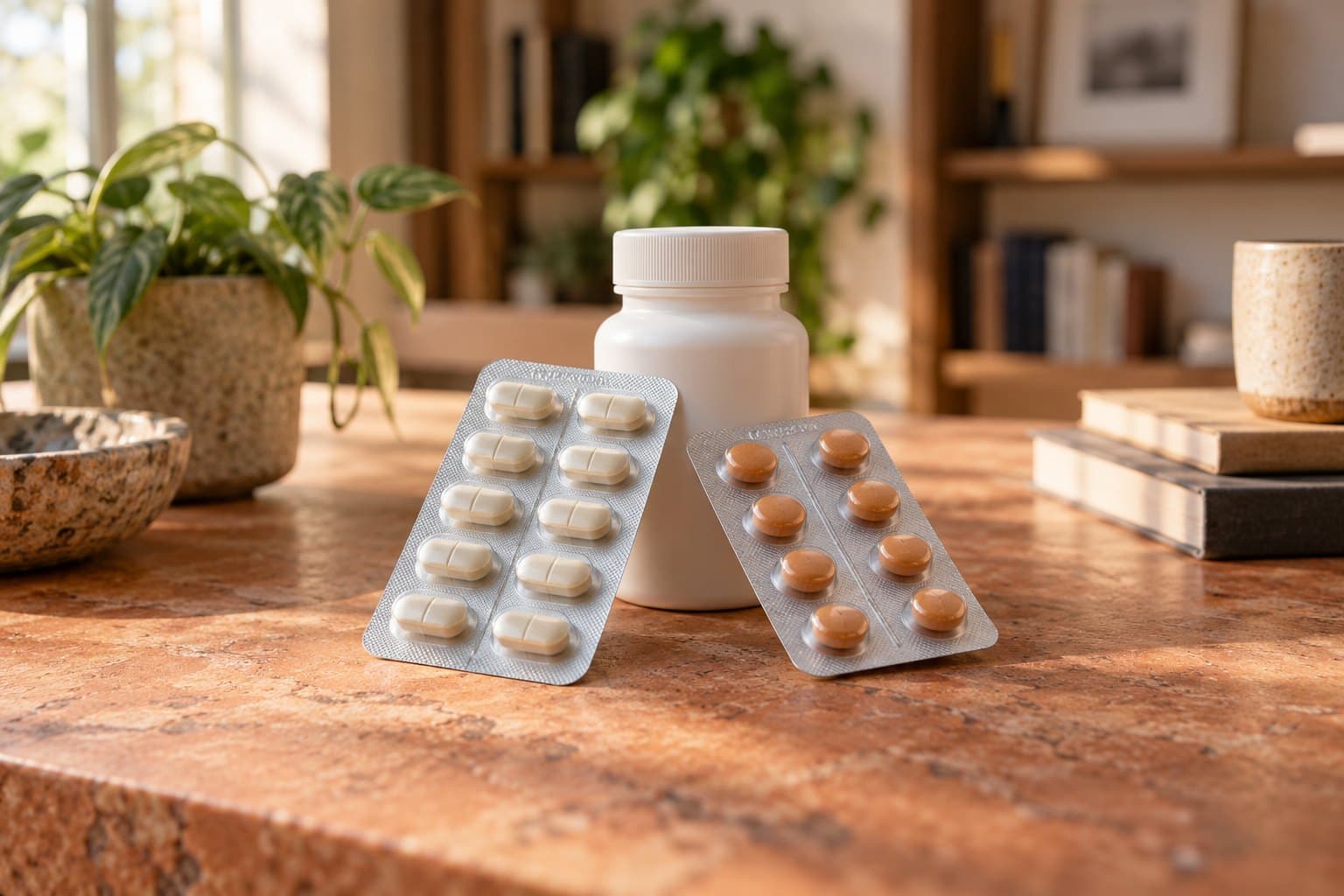
Table of Contents
- What Nims and Panadol Actually Are
- When Nimesulide Is Used
- The Liver-Safety Warning
- Which Should You Choose?
- Related Medicines & Tools
- Frequently Asked Questions
- Is Nims stronger than Panadol?
- Is Nims tablet safe to take regularly?
- Why is nimesulide banned in some countries?
- Can I give Nims to my child for fever?
- What are the warning signs of liver problems from Nims?
- Should I take Panadol or Nims for a headache?
Quick Answer
Panadol (paracetamol) is the safer everyday painkiller and the right default for fever and mild pain. Nims (nimesulide) is a stronger anti-inflammatory NSAID that a doctor may prescribe for short-term inflammatory pain, but it carries a real risk of liver injury and is restricted or banned in several countries. Nims is not a casual OTC choice: keep courses short and never give it to children.
Nims is one of the most reached-for pain tablets in Pakistan, sold under the SAMI brand and several others. It works fast and feels strong, which is exactly why people keep it at home. What often goes unsaid at the counter is that nimesulide sits in a different safety class from paracetamol, and treating the two as interchangeable is a mistake. This guide compares them honestly.
What Nims and Panadol Actually Are
Panadol is paracetamol, a gentle pain and fever reducer with a long, well-understood safety record. Nims is nimesulide, a non-steroidal anti-inflammatory drug that tackles pain, fever and inflammation together. On paper nimesulide is the more powerful painkiller for inflammatory conditions.
The difference that matters is the safety profile. Paracetamol, used within its dose limit, is one of the safest medicines available. Nimesulide has been linked to rare but serious liver injury, which is why regulators in several countries have restricted its use or withdrawn it, and why it is generally kept for short courses under medical advice.
When Nimesulide Is Used
Nimesulide is used mainly for short-term inflammatory and painful conditions: dental pain, some musculoskeletal pain, and post-injury swelling, usually as a prescribed course rather than a daily habit. Some people find it more effective than ibuprofen for certain pains.
That strength is real, but it comes with conditions. Nimesulide should be taken at the lowest effective dose for the shortest time, generally no more than about two weeks, and stopped at once if signs of liver trouble appear. It is a doctor-guided drug, not a tablet to swallow casually for every headache.
The Liver-Safety Warning
The central reason to respect nimesulide is its association with liver damage. Warning signs include unusual tiredness, nausea, loss of appetite, dark urine, pale stools, or yellowing of the eyes or skin. Anyone taking Nims who notices these should stop and seek medical care promptly.
The risk is higher with prolonged use, higher doses, existing liver disease, and alcohol use. Because of this, nimesulide is not recommended for people with liver problems, and it should never be given to children, for whom paracetamol or ibuprofen are the appropriate choices.
Which Should You Choose?
For the everyday reasons most people take a painkiller, a fever, a headache, mild body ache, paracetamol is the safer and entirely adequate choice. It is gentle on the stomach and carries none of nimesulide's liver concern at normal doses.
Nimesulide has a place for specific short-term inflammatory pain, but that decision is best made with a doctor or pharmacist who knows your liver health and other medicines. If you are keeping one general painkiller at home in Lahore or Karachi, paracetamol is the sensible default, with an NSAID like ibuprofen for occasional inflammatory pain.
Nims vs Panadol at a Glance
Strength versus everyday safety
Everyday Safety
Panadol is the safer default for fever and mild pain.
Inflammatory Pain
Nims is stronger for short-term inflammation, doctor-guided.
Liver Caution
Nimesulide carries a rare but real risk of liver injury.
Never for Children
Use paracetamol or ibuprofen for kids, not Nims.
Stop Nims and Seek Care If You Notice These
Yellowing of the eyes or skin, dark urine, pale stools, persistent nausea, or unusual tiredness can signal liver injury from nimesulide. Stop the drug and see a doctor without delay. Do not restart it on your own.
Related Medicines & Tools
See the medicine pages below for detail on each drug.
Medicine Reference
Panadol Tablet
Paracetamol: the safe everyday choice for fever and mild pain.
View encyclopedia entryMedicine Reference
Nims Tablet
Nimesulide NSAID for short-term inflammatory pain; carries liver caution.
View encyclopedia entryMedicine Reference
Brufen Tablet
Ibuprofen: a widely used NSAID alternative for inflammatory pain.
View encyclopedia entryFrequently Asked Questions
Is Nims stronger than Panadol?
For inflammatory pain, yes. Nimesulide is a stronger anti-inflammatory painkiller than paracetamol and can relieve pain that Panadol only dulls. But strength is not the whole picture. Nimesulide carries a liver-safety risk that paracetamol does not, so it is kept for short, doctor-guided courses rather than everyday use, while Panadol remains the safer default.
Is Nims tablet safe to take regularly?
No. Nimesulide is meant for short courses, generally no more than about two weeks, at the lowest effective dose. Regular or prolonged use raises the risk of liver injury, and several countries restrict it for this reason. If you find you need a painkiller often, see a doctor to find the cause rather than staying on Nims.
Why is nimesulide banned in some countries?
Nimesulide has been linked to rare but serious cases of liver injury, which led regulators in several countries to restrict or withdraw it. It remains available in Pakistan and is used under medical guidance for short-term inflammatory pain. The restriction reflects the liver risk with misuse, not that the drug has no legitimate use at all.
Can I give Nims to my child for fever?
No. Nimesulide should not be given to children. For a child's fever or pain, paracetamol (as Calpol syrup) is the standard choice, with ibuprofen as an alternative on medical advice. Giving Nims to a child exposes them to the liver risk unnecessarily when safer, well-tested options exist. Always dose children by weight.
What are the warning signs of liver problems from Nims?
Watch for yellowing of the eyes or skin, dark urine, pale stools, persistent nausea, loss of appetite, or unusual tiredness. Any of these while taking nimesulide means you should stop the drug and see a doctor promptly. The risk is higher with longer use, higher doses, existing liver disease, or alcohol.
Should I take Panadol or Nims for a headache?
For an ordinary headache, Panadol is the better and safer choice. Nimesulide is overkill for most headaches and brings a liver risk that is not justified for everyday pain. If paracetamol is not helping a headache, paracetamol plus caffeine or an occasional ibuprofen is a more reasonable next step than reaching for Nims.
Medical Sources
Tags
Share
Medical disclaimer
Ye article sirf educational maqsad ke liye hai. Personal diagnosis, dosing, aur treatment decision ke liye doctor se mashwara karein.
Related posts
Omeprazole vs Esomeprazole in Pakistan: Risek, Nexum & Esso Compared
9 min read
Panadol Price in Pakistan 2026. Every Variant Compared
5 min read

Stomach Pain Medicine in Pakistan: Picking the Right Tablet for Cramps, Acidity, or Gas
9 min read
Panadol Extra Uses, Caffeine Content & Side Effects Explained (Pakistan)
6 min read