Best Iron Tablet in Pakistan for Anaemia
Iron-deficiency anaemia is common in Pakistani women, and the right iron tablet plus a few absorption tricks makes all the difference. A guide to ferrous sulphate vs polymaltose, gentler options for a sensitive stomach, and how to take iron so it works.
A named review is not recorded for this article. Confirm medical advice with a qualified clinician.
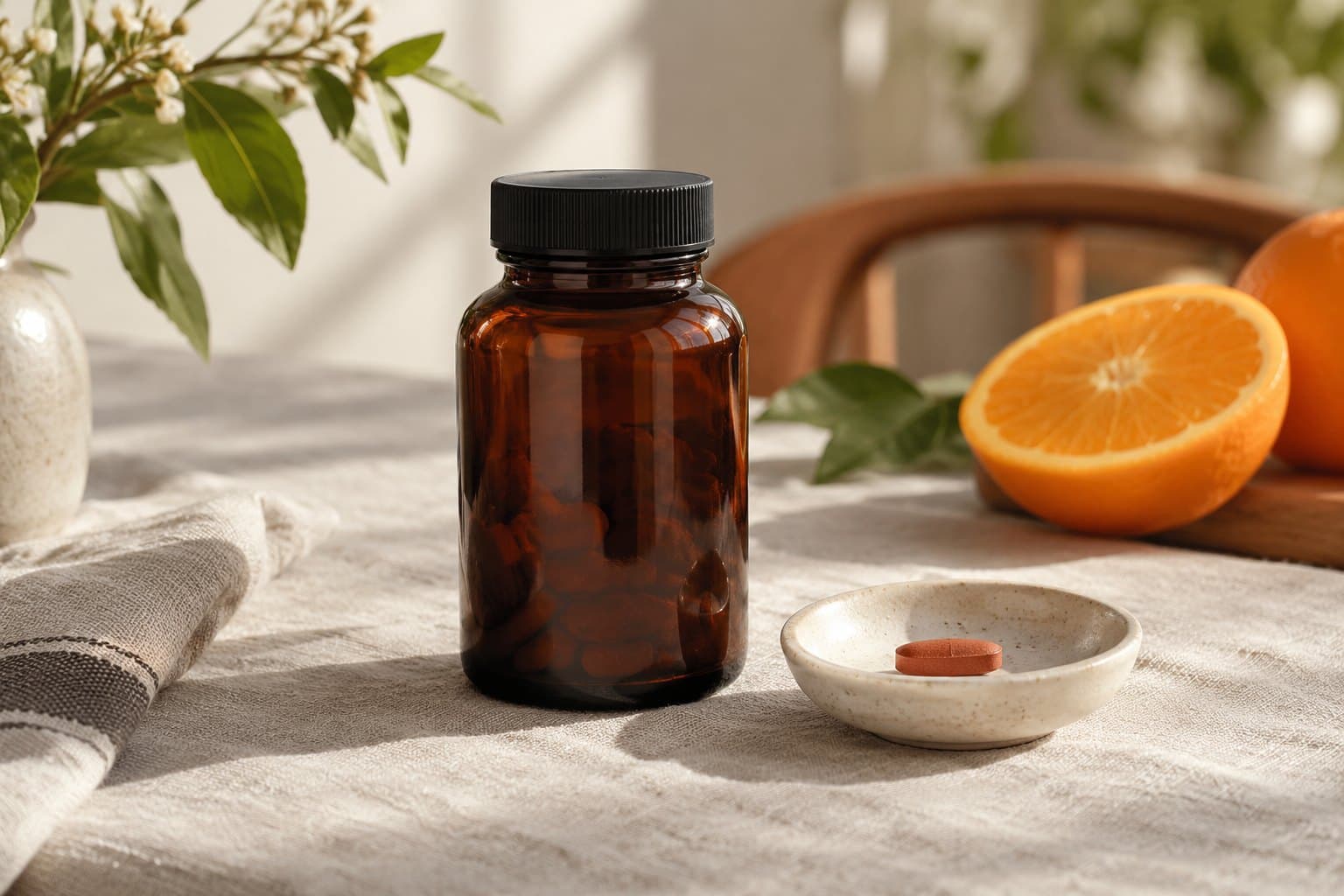
Table of Contents
- Confirm It Is Actually Iron Deficiency
- Ferrous Sulphate vs Iron Polymaltose
- How to Take Iron So It Works
- Side Effects and Sensitive Stomachs
- Related Medicines & Tools
- Frequently Asked Questions
- What is the best iron tablet in Pakistan?
- How can I improve iron absorption?
- Which iron is best for a sensitive stomach?
- How long does it take for iron tablets to work?
- What are the side effects of iron tablets?
- Can I get enough iron from food instead of tablets?
Quick Answer
For iron-deficiency anaemia, the most important thing is taking enough elemental iron consistently, not the exact brand. Ferrous sulphate is effective and cheap but can upset the stomach; iron polymaltose (like Maltofer) is gentler but milder. Take iron with a source of vitamin C to boost absorption, and away from tea, milk and calcium, which block it. Confirm anaemia with a blood test first, and keep taking iron for the full course.
Iron-deficiency anaemia (khoon ki kami) is extremely common in Pakistan, especially among women of reproductive age, pregnant women, and teenage girls. The good news is that it responds well to iron tablets, if you pick a tolerable one and take it the right way. Getting the how right matters as much as the which.
Confirm It Is Actually Iron Deficiency
Before starting iron, it helps to confirm the cause with a simple blood test, since tiredness and weakness have many causes. A low haemoglobin with low ferritin points to iron deficiency, which iron treats well. Taking iron unnecessarily is not harmless, so a quick test saves guesswork and rules out other causes of anaemia.
Once iron deficiency is confirmed, the goal is to replace iron stores over weeks to months, not just for a few days.
Ferrous Sulphate vs Iron Polymaltose
The two common types in Pakistan are traditional iron salts like ferrous sulphate, and iron polymaltose complexes like Maltofer. Ferrous sulphate delivers plenty of elemental iron cheaply and works well, but it more often causes stomach upset, nausea, constipation or dark stools.
Iron polymaltose is gentler on the stomach, which helps people who cannot tolerate ferrous sulphate, though it is sometimes considered milder. For pregnant women, combined iron and folic acid products are commonly used. The best tablet is often the one you can actually take every day without side effects driving you to stop.
How to Take Iron So It Works
Absorption is where most people go wrong. Iron is absorbed far better with vitamin C, so taking it with a glass of orange juice, lemon water, or alongside vitamin-C-rich food helps. Just as importantly, tea (chai), coffee, milk and calcium supplements block iron absorption, so do not take your iron tablet with chai or right after a milky meal.
Take iron on an empty stomach if you can tolerate it, or with food if it upsets you, and be patient: haemoglobin takes weeks to rise, and stores take months to refill.
Side Effects and Sensitive Stomachs
Constipation, nausea and dark stools are common with iron and are not dangerous, though they put people off. Taking iron with food, trying a gentler form like polymaltose, or taking it every other day can improve tolerance while still working. Increasing fibre and water helps with constipation. If side effects are severe, ask a doctor about alternatives rather than stopping altogether.
Getting Iron to Work
Absorption tricks that matter
Pair With Vitamin C
Orange, lemon or amla boosts iron absorption.
Avoid Chai With It
Tea, coffee, milk and calcium block iron.
Gentler Option
Polymaltose (Maltofer) suits sensitive stomachs.
Be Patient
Haemoglobin rises over weeks; finish the full course.
See a Doctor to Find the Cause
Iron deficiency has an underlying cause, from heavy periods to diet to blood loss. If anaemia is severe, keeps returning, or comes with symptoms like blood in the stool, see a doctor to find and treat the cause, not just to take iron indefinitely. Keep iron tablets away from children.
Related Medicines & Tools
See the medicine pages below for detail.
Medicine Reference
Maltofer
Iron polymaltose, gentler on the stomach for iron deficiency.
View encyclopedia entryMedicine Reference
Fefol Vit Capsule
Iron with folic acid, commonly used in pregnancy.
View encyclopedia entryMedicine Reference
Surbex-T Tablet
B-complex with vitamin C, supportive alongside iron.
View encyclopedia entryFrequently Asked Questions
What is the best iron tablet in Pakistan?
The best iron tablet is the one that provides enough elemental iron and that you can take consistently without side effects. Ferrous sulphate is effective and cheap but can upset the stomach; iron polymaltose like Maltofer is gentler. For pregnancy, iron with folic acid is common. Confirm iron deficiency with a blood test first, and take the tablet with vitamin C, away from chai.
How can I improve iron absorption?
Take your iron tablet with a source of vitamin C, such as orange juice, lemon water or amla, which significantly boosts absorption. Avoid taking it with tea, coffee, milk or calcium supplements, which block iron. Taking it on an empty stomach absorbs best, but if that upsets you, take it with food. Consistency over weeks matters more than any single dose.
Which iron is best for a sensitive stomach?
Iron polymaltose complexes like Maltofer are generally gentler on the stomach than ferrous sulphate and suit people who get nausea or constipation from traditional iron salts. Taking iron with food, or every other day instead of daily, can also improve tolerance while still raising iron levels. If side effects are severe, ask a doctor about alternatives rather than stopping treatment.
How long does it take for iron tablets to work?
You may feel better within a couple of weeks as haemoglobin starts to rise, but fully refilling your iron stores takes two to three months or longer. This is why you should keep taking iron for the full course your doctor recommends, even after you feel better. Stopping early is a common reason anaemia comes back.
What are the side effects of iron tablets?
Common side effects include constipation, nausea, stomach upset and dark stools. The dark colour is harmless. These effects put many people off, but they can often be managed by taking iron with food, choosing a gentler form, or dosing every other day. Increasing fibre and water helps constipation. Severe side effects should be discussed with a doctor rather than simply stopping.
Can I get enough iron from food instead of tablets?
Diet helps prevent iron deficiency and supports recovery, with iron-rich foods like red meat, liver, spinach, daal, and dates. But once you have established anaemia, food alone usually cannot refill stores fast enough, so tablets are needed. Combining iron-rich foods with vitamin C and cutting chai around meals supports the tablets and helps prevent deficiency returning.
Medical Sources
Tags
Share
Medical disclaimer
Ye article sirf educational maqsad ke liye hai. Personal diagnosis, dosing, aur treatment decision ke liye doctor se mashwara karein.
Related posts
Omeprazole vs Esomeprazole in Pakistan: Risek, Nexum & Esso Compared
9 min read
Panadol Price in Pakistan 2026. Every Variant Compared
5 min read

Stomach Pain Medicine in Pakistan: Picking the Right Tablet for Cramps, Acidity, or Gas
9 min read
Panadol Extra Uses, Caffeine Content & Side Effects Explained (Pakistan)
6 min read