Best Medicine for Loose Motion in Pakistan
ORS, Imodium or Flagyl for loose motion? A Pakistani guide to what to use when, why ORS comes first every time, when an antibiotic is actually needed, and the dehydration red flags that mean see a doctor now.
A named review is not recorded for this article. Confirm medical advice with a qualified clinician.
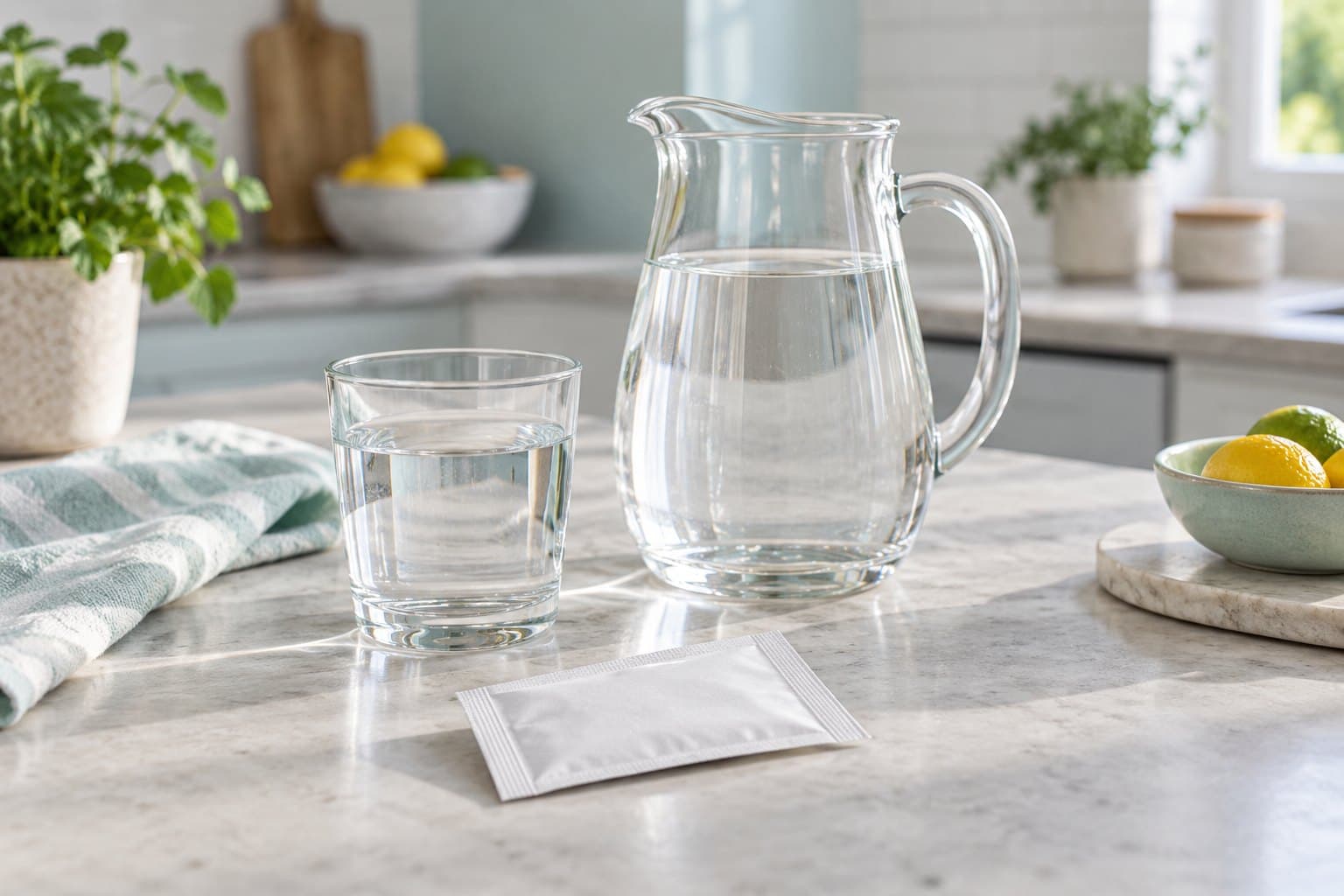
Table of Contents
- ORS First, Always
- When Imodium Helps
- When You Actually Need Flagyl or an Antibiotic
- Dehydration Red Flags
- Related Medicines & Tools
- Frequently Asked Questions
- What is the best medicine for loose motion in Pakistan?
- When should I take Imodium for loose motion?
- Do I need an antibiotic for diarrhoea?
- How do I know if diarrhoea is serious?
- How much ORS should I drink?
- Can I eat during loose motion?
- Clinical Comparison: Loose Motion Treatments in Pakistan
Quick Answer
For most loose motion (dast), the single most important treatment is ORS to replace lost water and salts; it saves more lives than any tablet. Imodium can reduce frequency in adults with simple watery diarrhoea but is not for bloody or feverish diarrhoea or for young children. An antibiotic like Flagyl is only needed for specific infections, on medical advice. Watch for dehydration, especially in children.
Loose motion is one of the most common complaints in Pakistan, spiking in summer and with food and water contamination. The instinct is to reach for a tablet that stops it, but the right first step is almost always rehydration. Understanding the order, ORS first, tablets second, antibiotics only when needed, prevents both danger and overtreatment.
ORS First, Always
Most diarrhoea is caused by a virus or a passing infection and settles on its own in a day or two. The real danger is not the diarrhoea itself but the water and salts it drains from the body. Oral rehydration solution (ORS) replaces exactly that, and it is the treatment that matters most.
Mix one sachet in the correct amount of clean water and sip it steadily through the day, more after each loose stool. Homemade versions with salt and sugar can bridge a gap, but a proper ORS sachet gets the balance right. Keep some in the house, especially in the summer months.
When Imodium Helps
Imodium (loperamide) slows the gut and reduces the number of trips to the bathroom. For an adult with simple watery diarrhoea, say, before a long bus journey from Karachi to Lahore, it can give practical relief. It treats the symptom, not the cause.
Imodium is not suitable for everyone. It should not be used when there is blood in the stool or a high fever, because slowing the gut in those cases can be harmful, and it is not for young children. When in doubt, rehydrate and wait rather than reaching for it.
When You Actually Need Flagyl or an Antibiotic
Most loose motion does not need an antibiotic. Flagyl (metronidazole) and similar drugs are for specific infections such as amoebiasis or giardiasis, or certain bacterial causes, and they should be taken on a doctor's advice after the cause is identified. Taking an antibiotic for every episode of dast is both unnecessary and contributes to antibiotic resistance.
Signs that point toward needing medical assessment include blood or mucus in the stool, high fever, severe abdominal pain, or diarrhoea lasting more than a few days.
Dehydration Red Flags
The most important thing to watch, especially in children and older adults, is dehydration. Warning signs include very little or dark urine, a dry mouth, sunken eyes, unusual drowsiness or irritability, and in babies a sunken soft spot or no wet nappies. A child who cannot keep fluids down or is becoming floppy needs urgent care.
Loose Motion: What to Use When
Rehydrate first, medicate carefully
ORS First
Replaces lost water and salts; the key treatment.
Imodium for Adults
Reduces frequency in simple watery diarrhoea only.
Flagyl When Needed
Only for specific infections, on medical advice.
Watch for Dehydration
Dark urine, dry mouth, drowsiness need urgent care.
See a Doctor Urgently If...
There is blood in the stool, a high fever, severe abdominal pain, signs of dehydration (little urine, sunken eyes, drowsiness), a young child or older adult who cannot keep fluids down, or diarrhoea lasting more than a few days. Rehydration matters most while you get help.
Related Medicines & Tools
See the medicine pages below for detail.
Medicine Reference
Imodium Capsule
Loperamide to reduce frequency in adults with simple watery diarrhoea.
View encyclopedia entryMedicine Reference
Flagyl Tablet
Metronidazole for specific gut infections, on medical advice.
View encyclopedia entryMedicine Reference
Entamizole DS Tablet
Combination used for amoebic and bacterial diarrhoea, doctor-guided.
View encyclopedia entryFrequently Asked Questions
What is the best medicine for loose motion in Pakistan?
The most important treatment is ORS, which replaces the water and salts lost in diarrhoea and prevents dehydration. For an adult with simple watery diarrhoea, Imodium can reduce frequency. Antibiotics like Flagyl are only for specific infections on medical advice. So the best first medicine is almost always ORS, not a tablet that stops the diarrhoea.
When should I take Imodium for loose motion?
Imodium suits an adult with simple, watery diarrhoea who needs to reduce trips to the bathroom, for example during travel. It slows the gut but does not treat the cause. Do not use it if there is blood in the stool or a high fever, and do not give it to young children. Rehydration with ORS still comes first.
Do I need an antibiotic for diarrhoea?
Usually not. Most loose motion is viral or self-limiting and settles with rehydration in a day or two. Antibiotics like Flagyl are only for specific infections such as amoebiasis or certain bacterial causes, identified by a doctor. Taking antibiotics for every episode is unnecessary and fuels antibiotic resistance, so they should not be self-prescribed.
How do I know if diarrhoea is serious?
Warning signs include blood or mucus in the stool, a high fever, severe abdominal pain, diarrhoea lasting more than a few days, and signs of dehydration such as very little or dark urine, dry mouth, sunken eyes or drowsiness. In children and older adults, dehydration develops faster. Any of these means see a doctor while continuing to rehydrate.
How much ORS should I drink?
Sip ORS steadily throughout the day rather than gulping it, and take extra after each loose stool. Follow the mixing instructions on the sachet exactly, using clean water. For a child, offer small amounts frequently, even a spoonful at a time if they are nauseous. If a child cannot keep ORS down or keeps vomiting, seek medical help promptly.
Can I eat during loose motion?
Yes, once you can manage it. Continue fluids first, then ease back to plain, easy foods like rice, banana, khichdi, yoghurt and toast. Avoid very oily, spicy or sugary foods and fizzy drinks until you recover. For breastfed babies, keep breastfeeding throughout. Starving yourself is not helpful; gentle eating alongside rehydration supports recovery.
Clinical Comparison: Loose Motion Treatments in Pakistan
| Option | Active Role | When It Is Appropriate | When to Avoid |
|---|---|---|---|
| Low-Osmolarity WHO ORS | Replaces water, sodium, potassium & glucose | Every case of loose motion (all ages) | Never avoid — sip slowly even if vomiting |
| Zinc Sulfate (10–20 mg) | Repairs intestinal lining & shortens episode | Children for 10–14 days alongside ORS | Take after food if mild nausea occurs |
| Probiotics (e.g., Enflor) | Restores gut flora (Saccharomyces boulardii) | Viral gastroenteritis & antibiotic-associated diarrhoea | Immunocompromised patients with central lines |
| Loperamide (Imodium) | Slows gut motility | Adult travel/non-infectious watery diarrhoea | Strictly contraindicated in children, high fever, or bloody stools |
Interactive Calculator: Compute exact WHO Plan A and Plan B ORS mL targets right now with our ORS Rehydration Calculator.
Medical Sources
Tags
Share
Medical disclaimer
Ye article sirf educational maqsad ke liye hai. Personal diagnosis, dosing, aur treatment decision ke liye doctor se mashwara karein.
Related posts
Omeprazole vs Esomeprazole in Pakistan: Risek, Nexum & Esso Compared
9 min read
Panadol Price in Pakistan 2026. Every Variant Compared
5 min read

Stomach Pain Medicine in Pakistan: Picking the Right Tablet for Cramps, Acidity, or Gas
9 min read
Panadol Extra Uses, Caffeine Content & Side Effects Explained (Pakistan)
6 min read