How to Gain Weight the Healthy Way in Pakistan
Being underweight has its own health risks, and gaining weight healthily is not about junk food. A Pakistani guide to calorie-dense wholesome foods, meal frequency, strength training, and when weight loss needs a doctor.
A named review is not recorded for this article. Confirm medical advice with a qualified clinician.
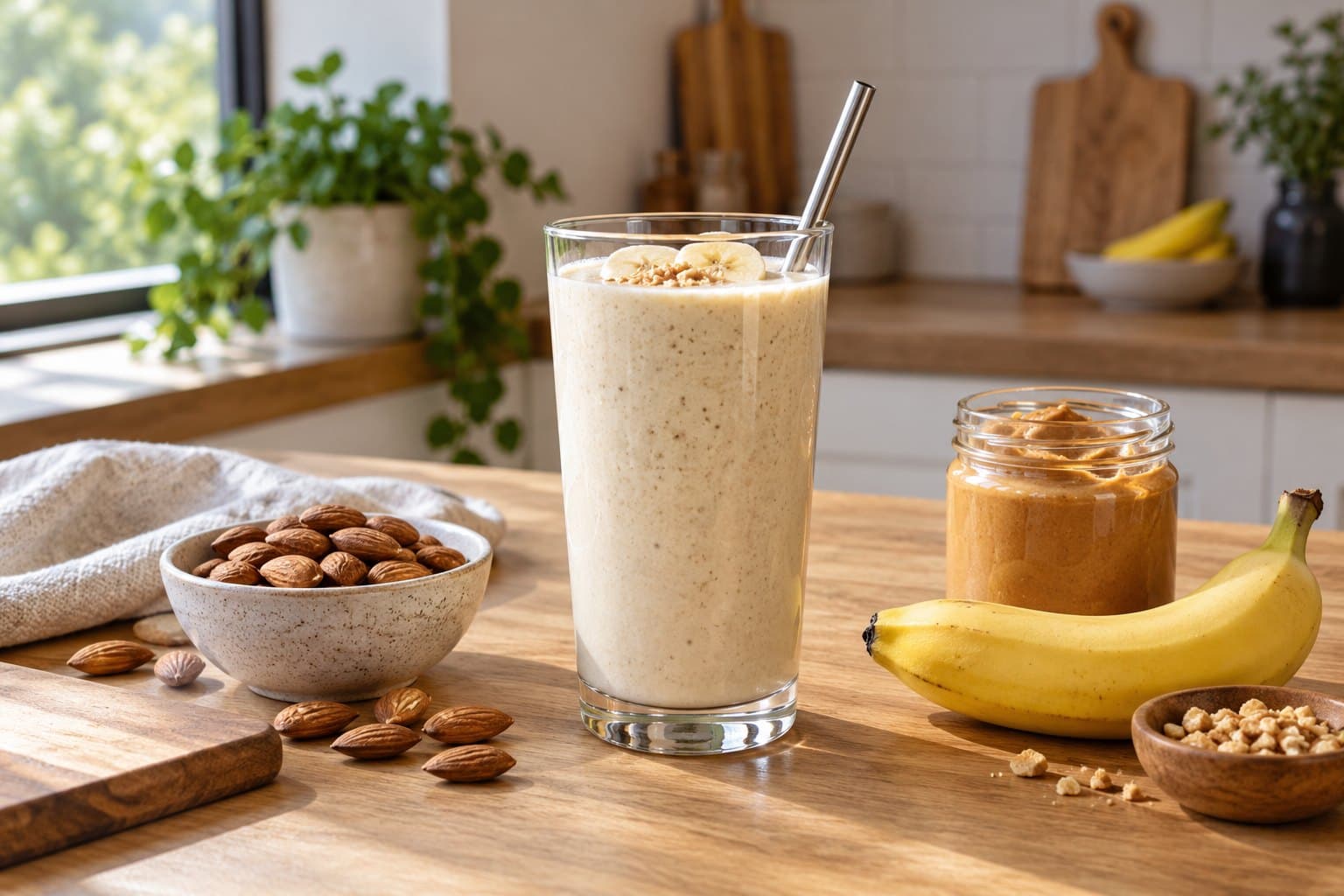
Table of Contents
- Eat More Calories, From Good Foods
- Eat More Often
- Build Muscle, Not Just Fat
- When Weight Loss Needs a Doctor
- How Many Extra Calories, and How Fast
- Related Medicines & Tools
- Frequently Asked Questions
- How can I gain weight in a healthy way?
- What foods help you gain weight fast?
- Should I do exercise to gain weight?
- Why can't I gain weight even though I eat a lot?
- Is it unhealthy to be underweight?
- How many extra calories do I need to gain weight?
- Do I need weight-gain shakes or supplements?
- How long does it take to gain weight healthily?
- Can I gain weight if I have a fast metabolism?
Quick Answer
To gain weight healthily, eat more calories from wholesome, nutrient-dense foods rather than junk: full-fat dairy, nuts, seeds, dried fruit, eggs, meat, daal, whole grains and healthy oils. Eat more often, add calorie-dense snacks, and do strength training to build muscle rather than just fat. Sudden or unexplained weight loss should be checked by a doctor, since it can signal an underlying condition.
Much health advice focuses on losing weight, but being underweight carries its own risks, including weakness, low immunity and nutritional deficiencies. Some people in Pakistan struggle to gain weight despite eating, and the goal is to do it healthily, building strength and nutrition, not by loading up on fried food and sweets. Here is a sensible approach.
Eat More Calories, From Good Foods
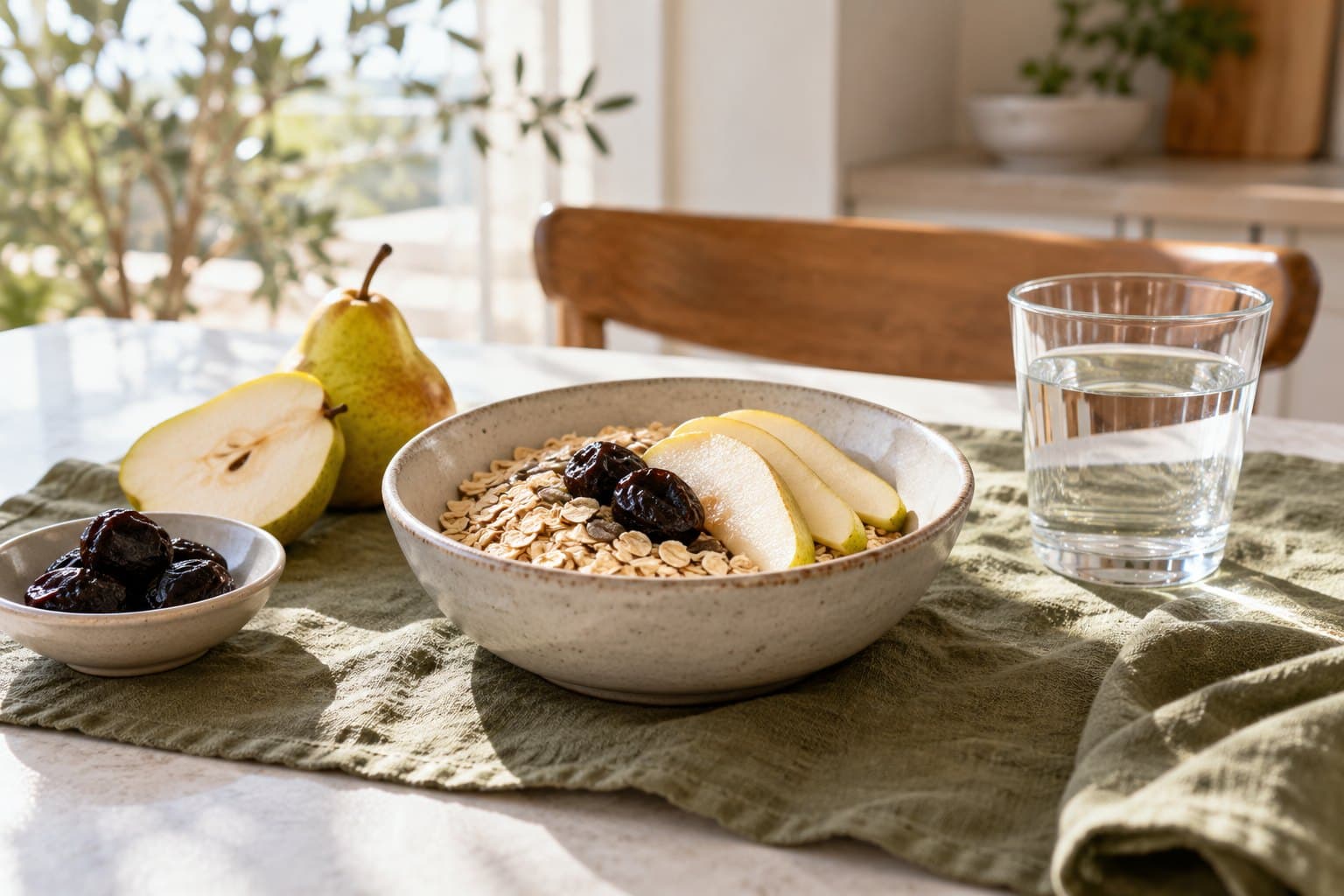
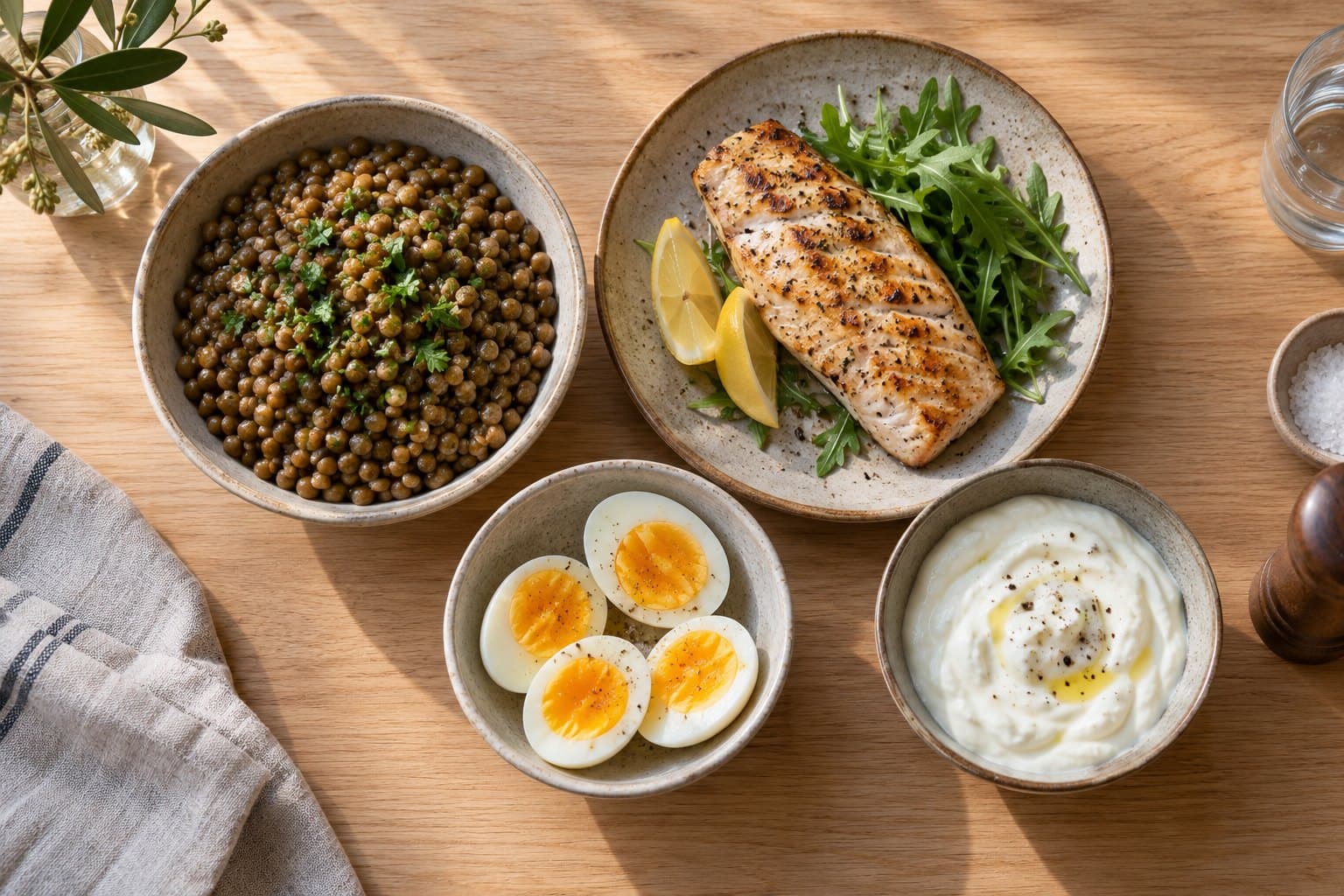
Gaining weight requires eating more calories than you burn, but the source matters. Choose calorie-dense wholesome foods: full-fat milk and yoghurt, cheese (paneer), nuts and seeds, dried fruit like dates and apricots, eggs, meat, daal and beans, whole-grain roti, and healthy oils like olive oil. These add calories along with protein, vitamins and healthy fats, unlike junk food that adds calories with little nutrition.
Adding a little extra to each meal, an extra roti, a spoon of ghee or oil, a handful of nuts, accumulates into steady, healthy weight gain.
Eat More Often
If a large plate feels like too much, eating more frequently helps. Three meals plus two or three calorie-dense snacks, such as a banana with peanut butter, a handful of nuts, a glass of full-fat milk or a lassi, adds up without the discomfort of overeating at one sitting. Not skipping meals, especially breakfast, matters for people trying to gain.
Build Muscle, Not Just Fat
Strength training is the difference between healthy weight gain and simply adding fat. Resistance exercise, bodyweight workouts, weights, or resistance bands, signals the body to build muscle when you are eating enough protein. This improves strength, shape and metabolic health. Aim for adequate protein from eggs, meat, dairy and pulses spread through the day to support muscle growth.
When Weight Loss Needs a Doctor
If you are losing weight without trying, or cannot gain despite eating well, that is worth investigating. Unintended weight loss can signal conditions like an overactive thyroid, diabetes, digestive problems, chronic infection, or other illness. See a doctor rather than assuming it is just a fast metabolism, especially if there are other symptoms.
Healthy Weight Gain
Nutrition and strength, not junk
Calorie-Dense Foods
Full-fat dairy, nuts, dried fruit, eggs and daal.
Eat More Often
Add two or three nourishing snacks a day.
Strength Training
Build muscle with resistance exercise plus protein.
Rule Out Causes
Unexplained weight loss needs a doctor's check.
When Being Underweight Needs Attention
See a doctor if you are losing weight without trying, cannot gain despite eating well, or have other symptoms like fatigue, changes in appetite, or digestive problems. Being underweight can reflect an underlying condition that needs diagnosis, not just more food.
How Many Extra Calories, and How Fast
Healthy weight gain is about a modest, steady calorie surplus, not force-feeding. Adding roughly 300 to 500 extra calories a day above what you burn supports a gradual gain of around half a kilo a week, which favours muscle and avoids piling on fat. In Pakistani terms, that can be an extra roti with some daal, a glass of full-fat milk, a handful of nuts, or a boiled egg or two added across the day.
The quality of those calories matters as much as the number. Building the surplus from nutrient-dense foods, dairy, eggs, meat, daal, whole grains, nuts and healthy oils, adds protein and micronutrients along with energy, unlike sweets and fried snacks that add fat with little else. Pairing the extra food with resistance exercise directs those calories toward muscle. If you are eating more and still not gaining, or losing weight without trying, that is worth a doctor's assessment rather than simply eating more.
Related Medicines & Tools
See the pages below for related content.
For protein needs, see our guide on how much protein per day, and for balanced eating, our weight loss diet plan, which explains portion principles useful in both directions.
Frequently Asked Questions
How can I gain weight in a healthy way?
Eat more calories than you burn, but from wholesome, nutrient-dense foods: full-fat dairy, nuts, seeds, dried fruit, eggs, meat, daal, whole grains and healthy oils. Eat more often, adding calorie-dense snacks, and do strength training to build muscle rather than just fat. This adds weight along with protein and nutrients, which is healthier than gaining through fried food and sweets.
What foods help you gain weight fast?
Calorie-dense wholesome foods work best: full-fat milk and lassi, cheese and paneer, nuts and nut butters, dried fruit like dates and apricots, eggs, meat, daal, whole-grain roti, and healthy oils. Adding a little extra to each meal, plus nourishing snacks between meals, increases your calories steadily. These add nutrition along with calories, unlike junk food, which adds fat with little benefit.
Should I do exercise to gain weight?
Yes, strength training in particular. Resistance exercise signals the body to build muscle when you eat enough protein and calories, so you gain healthy weight rather than just fat. It improves strength, shape and metabolic health. Combine bodyweight or weight training a few times a week with adequate protein from eggs, meat, dairy and pulses to support muscle growth as you gain.
Why can't I gain weight even though I eat a lot?
Some people have a naturally fast metabolism, but persistent difficulty gaining weight, or losing weight without trying, can signal an underlying condition such as an overactive thyroid, diabetes, or a digestive problem that affects nutrient absorption. If you eat well and still cannot gain, or you are losing weight, see a doctor to rule out a medical cause rather than assuming it is only metabolism.
Is it unhealthy to be underweight?
Being significantly underweight can carry health risks, including weakness, low immunity, nutritional deficiencies, and in some cases effects on bone and hormonal health. Gaining weight healthily addresses these. That said, weight is only one measure of health, and the aim is a nourishing diet and adequate strength rather than a number alone. If you are underweight with other symptoms, a doctor can help find why.
How many extra calories do I need to gain weight?
A modest surplus of about 300 to 500 calories a day above what you burn supports a steady, healthy gain of roughly half a kilogram a week. This favours muscle over fat and is easier to sustain than a large surplus. Build it from nutrient-dense foods like dairy, eggs, daal, nuts and whole grains, and pair it with strength training so the extra calories go toward muscle.
Do I need weight-gain shakes or supplements?
Usually not. Most people can gain weight through ordinary calorie-dense foods, full-fat milk, nuts, eggs, meat and daal, which are cheaper and more nutritious than commercial shakes. A homemade banana-and-milk shake with nuts does the same job. Supplements are mainly useful for people with very high needs who struggle to eat enough. If you cannot gain despite eating well, see a doctor to rule out an underlying cause.
How long does it take to gain weight healthily?
Healthy weight gain is gradual: aiming for around half a kilogram a week, through a modest calorie surplus of about 300 to 500 extra calories a day, is realistic and favours muscle over fat. That means noticeable change over a couple of months rather than days. Trying to gain much faster tends to add fat rather than muscle. Pairing the extra calories with strength training and patience gives the best, most sustainable results.
Can I gain weight if I have a fast metabolism?
Yes, though it takes consistency. A naturally fast metabolism means you burn more, so you need to eat more to create a surplus, focusing on calorie-dense nutritious foods and eating more frequently. Strength training helps direct those calories to muscle. If you eat well and genuinely cannot gain, or are losing weight without trying, see a doctor, since conditions like an overactive thyroid can prevent weight gain and need treatment.
Medical Sources
Tags
Share
Medical disclaimer
Ye article sirf educational maqsad ke liye hai. Personal diagnosis, dosing, aur treatment decision ke liye doctor se mashwara karein.