Sehri & Iftar Diet for Weight Loss in Ramadan
Ramadan can help you lose weight or make you gain it, depending on how you eat at sehri and iftar. A Pakistani guide to filling sehris, balanced iftars, avoiding the fried-food trap, and staying hydrated through the fast.
A named review is not recorded for this article. Confirm medical advice with a qualified clinician.
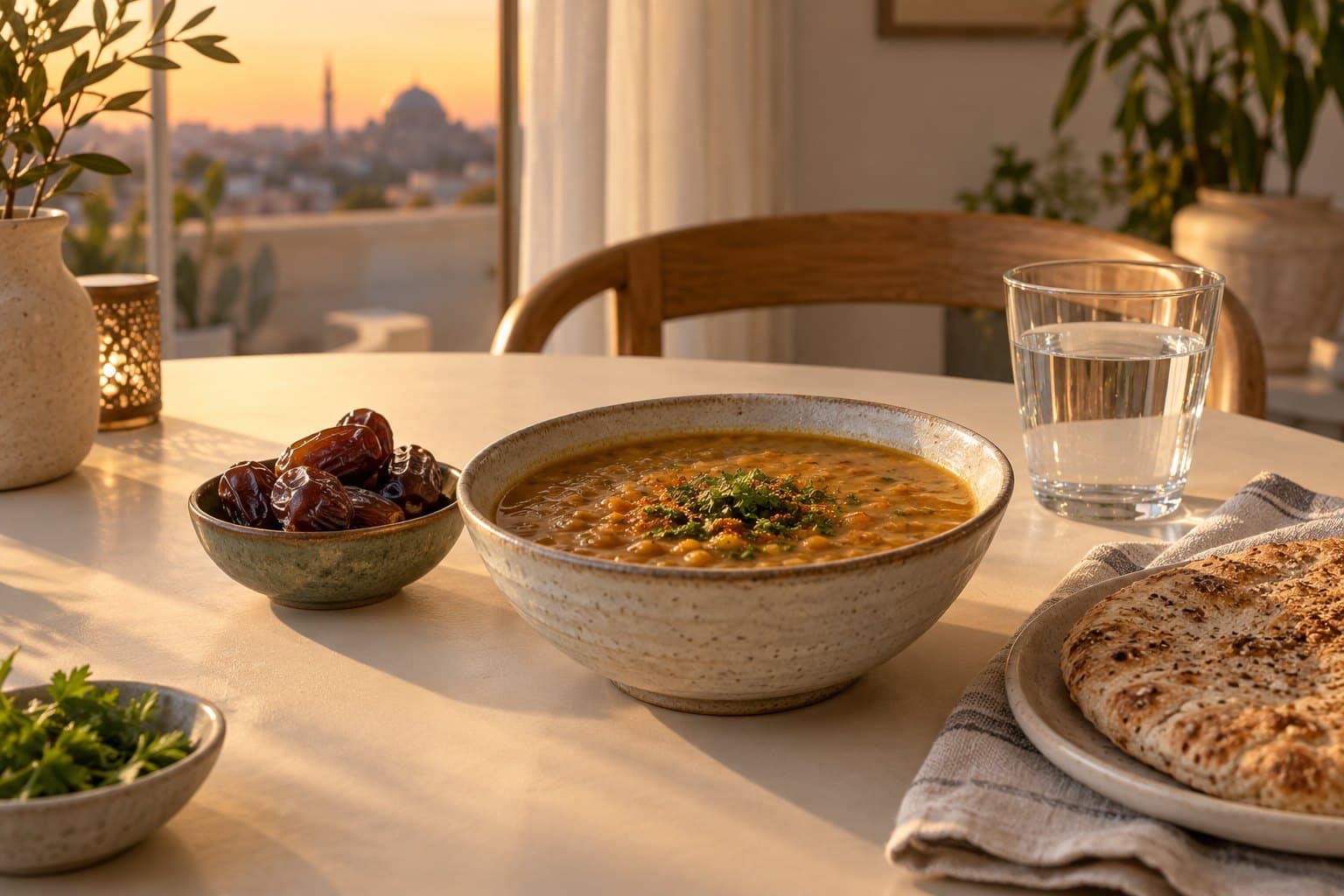
Table of Contents
- A Filling, Slow-Burning Sehri
- Open Iftar Gently, Then Eat Balanced
- Avoid the Fried-Food Trap
- Hydration and Activity
- Fasting, Hydration and the Common Pitfalls
- Related Medicines & Tools
- Frequently Asked Questions
- Can you lose weight during Ramadan?
- What should I eat at sehri to lose weight?
- How should I break my fast at iftar for weight loss?
- Are pakoras and samosas bad during Ramadan?
- How do I stay hydrated while fasting?
- Why do people gain weight in Ramadan despite fasting?
- How do I avoid headaches while fasting?
Quick Answer
Ramadan can support weight loss if you eat wisely. At sehri, choose slow-digesting foods, whole grains, protein, dairy and fruit, to stay full and steady. At iftar, open with dates and water, then eat a balanced meal rather than a fried feast. Limit pakoras, samosas, sugary drinks and sweets, and hydrate well between iftar and sehri. Eating this way, many people lose weight; overeating fried food at iftar causes gain.
Ramadan is a chance to reset eating habits, and whether you lose or gain weight during the month comes down to what happens at sehri and iftar. The fasting hours naturally reduce your eating window, but the traditional fried-food iftar spread can undo that easily. With a few sensible choices, the month can genuinely support healthy weight loss.
A Filling, Slow-Burning Sehri
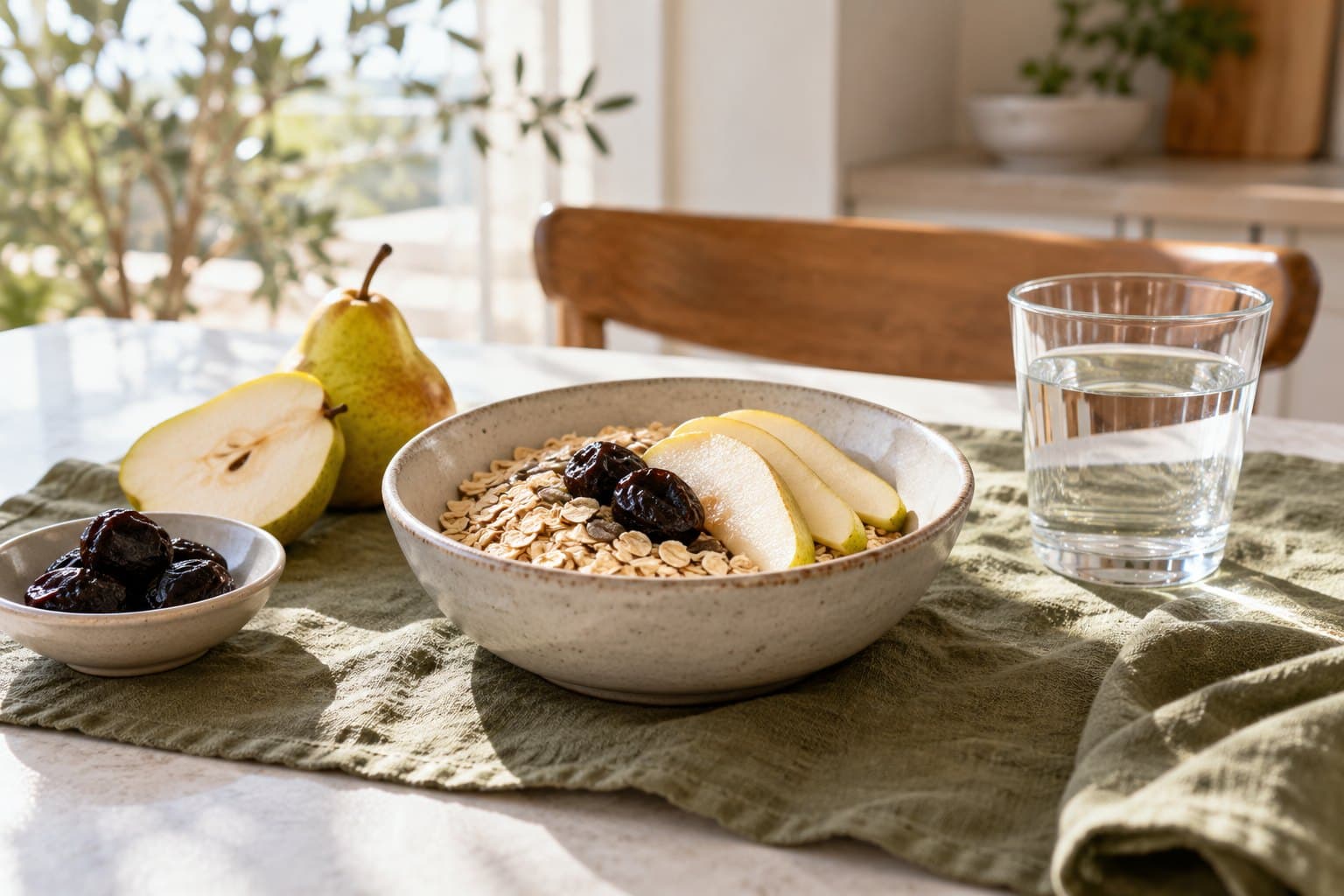
Sehri sets you up for the whole fasting day, so the goal is foods that release energy slowly and keep you full. Choose whole grains like whole-wheat roti, oats or daliya, along with protein such as eggs, yoghurt (dahi) or daal, and some fruit or vegetables. Dairy and protein slow digestion and steady blood sugar, reducing hunger and thirst through the day.
Avoid a sehri of only paratha and sweet tea, which digests quickly and leaves you hungry by midday. A balanced sehri makes the fast far more comfortable and reduces the urge to overeat at iftar.
Open Iftar Gently, Then Eat Balanced
The way you open the fast matters. Start with a couple of dates and water, as tradition advises, which raises blood sugar gently and rehydrates you. Then pause before the main meal rather than diving straight into a large plate. This gives your body time to register the food and prevents the overeating that comes from breaking a fast ravenous.
For the main iftar, aim for a balanced plate: a protein, vegetables, and a moderate portion of rice or roti, much like a normal healthy meal. A bowl of fruit chaat or a light salad adds volume and nutrients.
Avoid the Fried-Food Trap
The biggest obstacle to Ramadan weight loss is the deep-fried iftar spread: pakoras, samosas, rolls, and jalebi, washed down with sugary rooh afza or soft drinks. These are calorie-dense and easy to overeat after a day of fasting. You do not have to ban them entirely, but making them occasional rather than daily, and keeping portions small, is the single biggest lever for losing rather than gaining weight in Ramadan.
Grilled, baked or lightly cooked alternatives, and fresh fruit, satisfy without the calorie overload.
Hydration and Activity
The non-fasting hours are your window to hydrate. Drink plenty of water between iftar and sehri, and limit caffeine and very sugary drinks, which can worsen thirst and add empty calories. Light activity, a walk after iftar (many people enjoy one before or after taraweeh), supports weight loss and digestion. Avoid heavy exercise during fasting hours, especially in hot weather.
Eating for a Lighter Ramadan
Sehri, iftar and hydration
Slow-Burn Sehri
Whole grains, protein and dairy keep you full.
Open With Dates
Dates and water, then pause before the main meal.
Limit Fried Food
Keep pakoras, samosas and sweets occasional.
Hydrate After Iftar
Plenty of water between iftar and sehri.
Fasting With a Health Condition
If you have diabetes, take regular medication, are pregnant, or have another health condition, speak to your doctor before Ramadan about whether and how to fast safely. Medication timing and blood-sugar management often need adjustment, and this is not something to change on your own.
Fasting, Hydration and the Common Pitfalls
Ramadan can help or hinder weight, and the difference is in the habits. The most common reason people gain weight is the fried, sugary iftar spread eaten after a day of hunger, followed by a heavy late meal and little movement. Breaking the fast slowly, with dates and water then a pause, prevents the overeating that comes from sitting down ravenous.
Hydration is the other big lever. During the fasting hours the body cannot take in fluid, so the non-fasting window is when you rehydrate. Not drinking enough between iftar and sehri leaves people tired and prone to headaches; dehydration and caffeine withdrawal are well-recognised triggers of headaches and migraines during Ramadan. Cutting back gradually on caffeine before Ramadan, drinking water steadily at night rather than all at once, and including hydrating foods like fruit, yoghurt and soups all help you feel better and avoid the fasting-day slump.
Related Medicines & Tools
See the pages below for related content.
For everyday eating, see our weight loss diet plan for Pakistan, and for fasting with diabetes, our guide to Ramadan fasting with diabetes.
Frequently Asked Questions
Can you lose weight during Ramadan?
Yes, many people lose weight in Ramadan if they eat wisely, because the fasting hours reduce the eating window. The key is a filling, slow-burning sehri, a balanced iftar opened gently with dates and water, and limiting fried food and sweets. Overeating a fried, sugary iftar spread every day, on the other hand, easily causes weight gain despite the fasting.
What should I eat at sehri to lose weight?
Choose slow-digesting foods that keep you full: whole grains like whole-wheat roti, oats or daliya, protein such as eggs, yoghurt or daal, and some fruit or vegetables. Dairy and protein steady blood sugar and reduce hunger and thirst through the fasting day. Avoid a sehri of only paratha and sweet tea, which digests fast and leaves you hungry and prone to overeating at iftar.
How should I break my fast at iftar for weight loss?
Open with a couple of dates and water to gently raise blood sugar and rehydrate, then pause before the main meal rather than eating everything at once. For the main iftar, aim for a balanced plate with protein, vegetables and a moderate portion of rice or roti. Limiting fried snacks and sugary drinks is the biggest factor in losing rather than gaining weight.
Are pakoras and samosas bad during Ramadan?
They are not forbidden, but deep-fried iftar items like pakoras, samosas and rolls, plus sweets and sugary drinks, are calorie-dense and easy to overeat after fasting, which is the main reason people gain weight in Ramadan. Making them occasional rather than daily, keeping portions small, and choosing grilled or fresh alternatives most days is the key to a lighter, healthier month.
How do I stay hydrated while fasting?
Use the non-fasting hours well: drink plenty of water steadily between iftar and sehri rather than large amounts at once. Include hydrating foods like fruit, yoghurt and soups, and limit caffeine and very sugary drinks, which can worsen thirst. A balanced sehri with dairy and whole grains also helps you retain fluids longer through the fasting day, especially in hot weather.
Why do people gain weight in Ramadan despite fasting?
The fasting hours reduce the eating window, but weight gain usually comes from what happens at iftar: large amounts of fried food like pakoras and samosas, sugary drinks and sweets, plus a heavy late meal and little activity. Eaten after a day of hunger, these are easy to overdo. Breaking the fast slowly and keeping fried food occasional is the key to losing rather than gaining weight.
How do I avoid headaches while fasting?
Fasting headaches are often driven by dehydration and caffeine withdrawal. Drink water steadily between iftar and sehri rather than all at once, include hydrating foods, and have a balanced sehri with whole grains and protein that releases energy slowly. Cutting back on caffeine gradually in the weeks before Ramadan, rather than stopping abruptly, reduces withdrawal headaches. If headaches are severe or persistent, see a doctor.
Medical Sources
Tags
Share
Medical disclaimer
Ye article sirf educational maqsad ke liye hai. Personal diagnosis, dosing, aur treatment decision ke liye doctor se mashwara karein.