How to Increase Hemoglobin: Foods, Tips & Tablets
Low hemoglobin leaves you tired and pale. A Pakistani guide to raising it with iron-rich desi foods, the absorption tricks that double their effect, what blocks iron, and when diet is not enough and you need tablets.
A named review is not recorded for this article. Confirm medical advice with a qualified clinician.
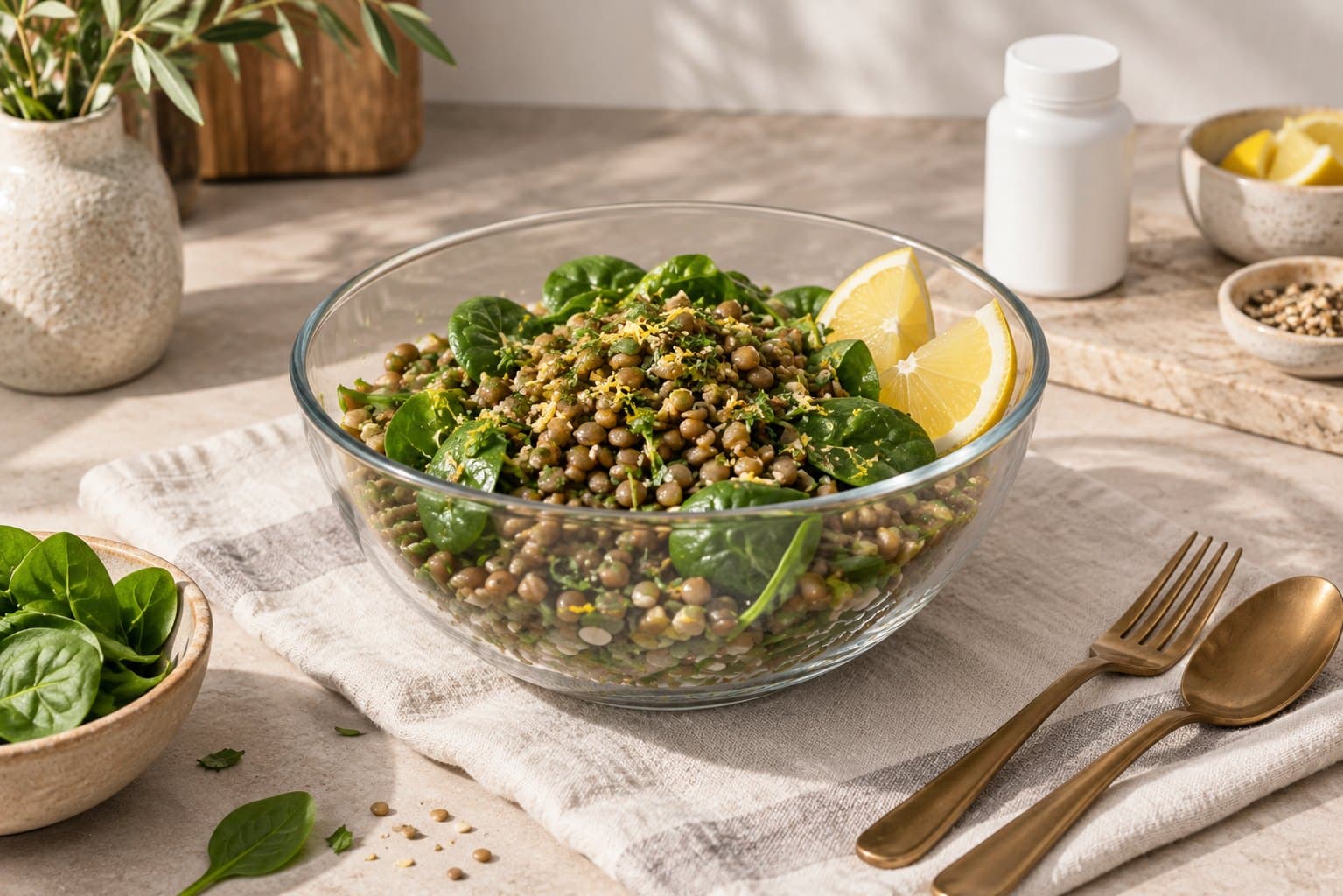
Table of Contents
- Iron-Rich Desi Foods
- Boost Absorption With Vitamin C
- What Blocks Iron (Chai Is the Big One)
- Folic Acid, B12 and When You Need Tablets
- How Long It Takes and How to Track Progress
- Related Medicines & Tools
- Frequently Asked Questions
- How can I increase my hemoglobin quickly?
- Which foods are highest in iron in Pakistan?
- Does drinking tea affect hemoglobin?
- How long does it take to raise hemoglobin?
- When should I see a doctor about low hemoglobin?
- How quickly does hemoglobin rise with iron?
- Why is my hemoglobin not improving despite eating iron-rich food?
- Quick Comparison: Haem vs Non-Haem Iron Sources & Absorption in Pakistan
Quick Answer
To raise hemoglobin, eat more iron-rich foods (red meat, liver, spinach, daal, beans, dates), pair them with vitamin C to absorb the iron, and cut chai around meals since it blocks iron. Folic acid and vitamin B12 from greens, eggs and dairy also matter. Diet helps and prevents low levels, but established anaemia usually needs iron tablets for two to three months. Confirm low hemoglobin with a blood test first.
Low hemoglobin, the protein in red blood cells that carries oxygen, is very common in Pakistan, especially among women, and it shows up as tiredness, pallor, breathlessness and poor concentration. Raising it is usually straightforward once you combine the right foods, the right absorption tricks, and, when needed, tablets. Diet is the foundation, so this guide starts there.
Iron-Rich Desi Foods
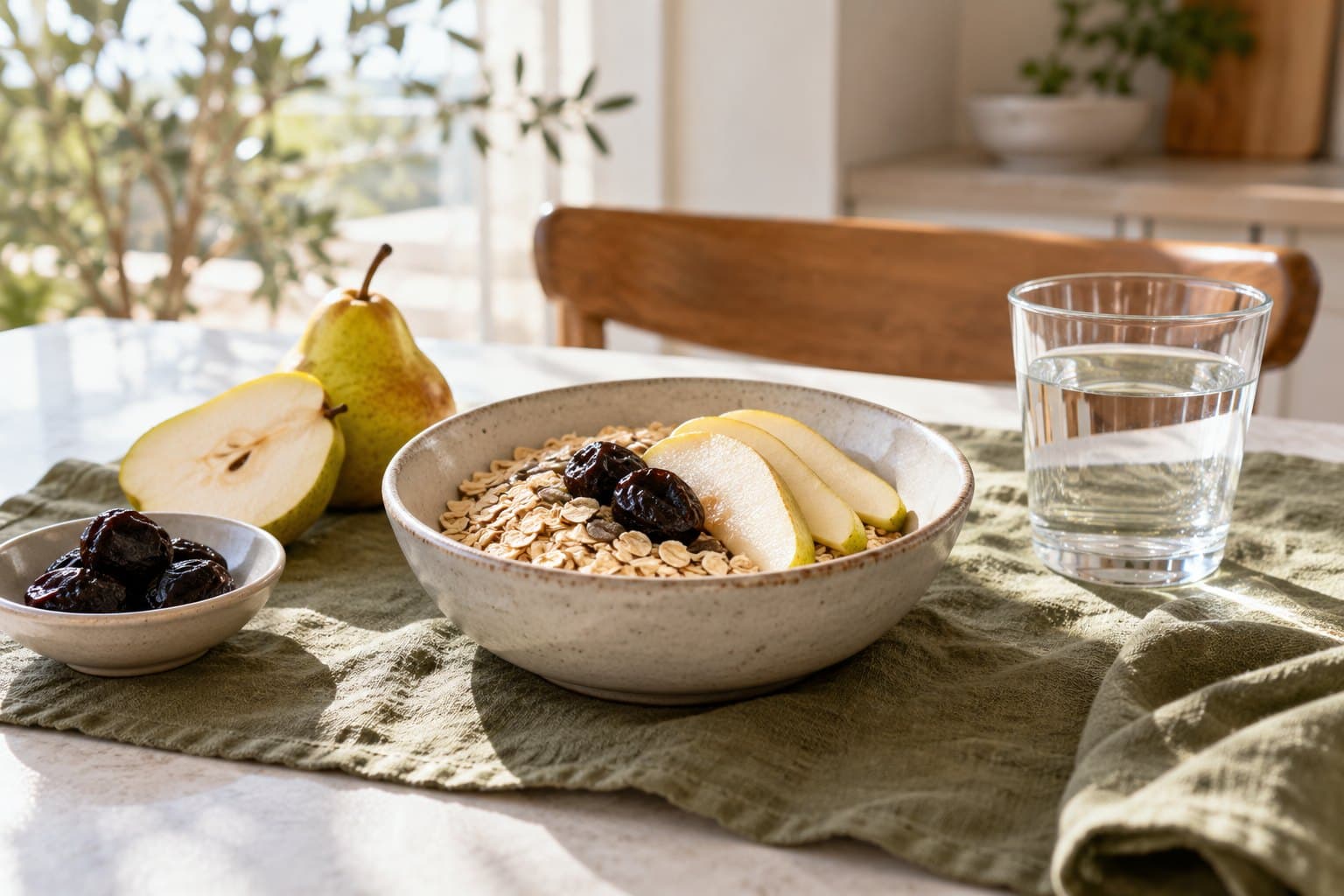
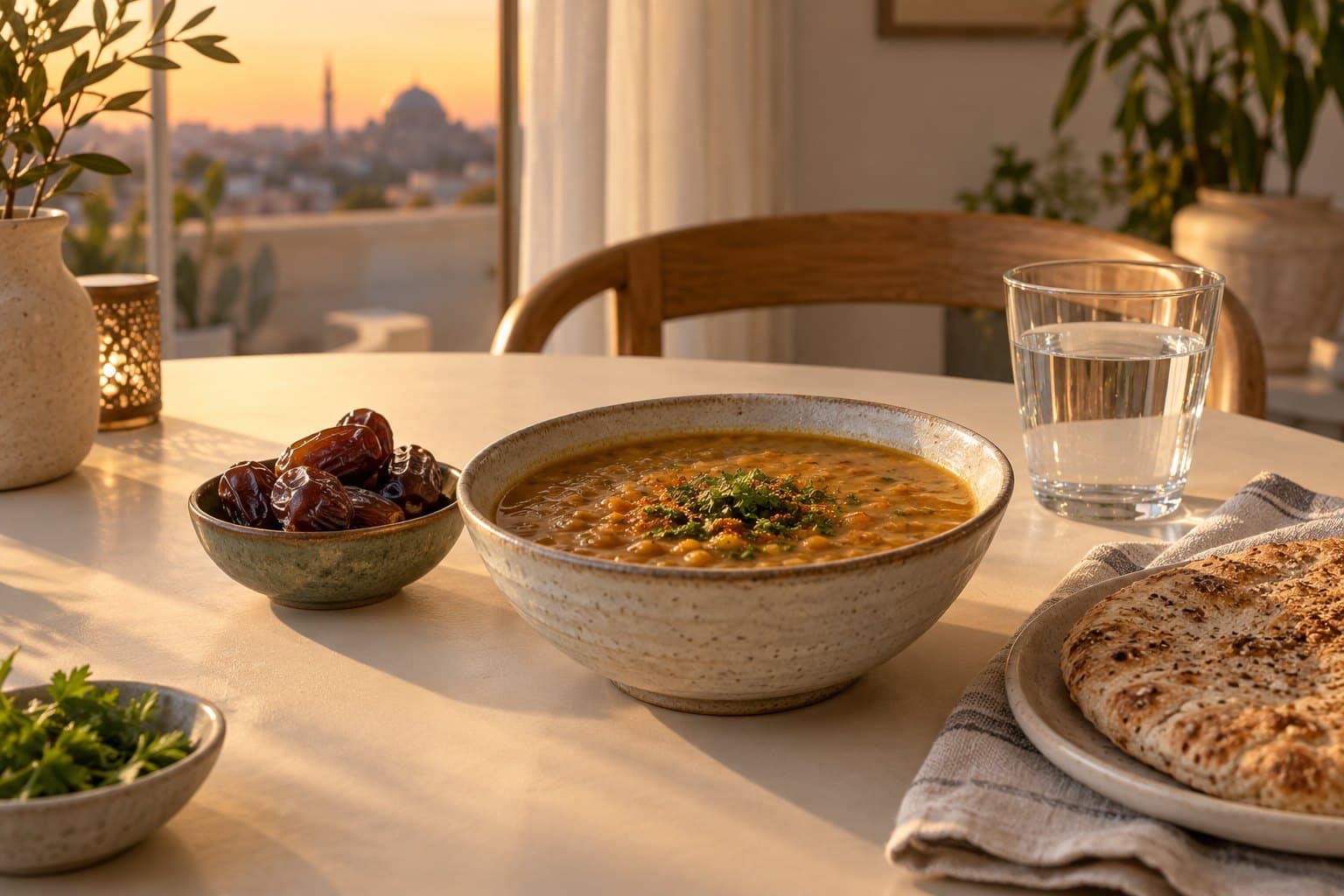
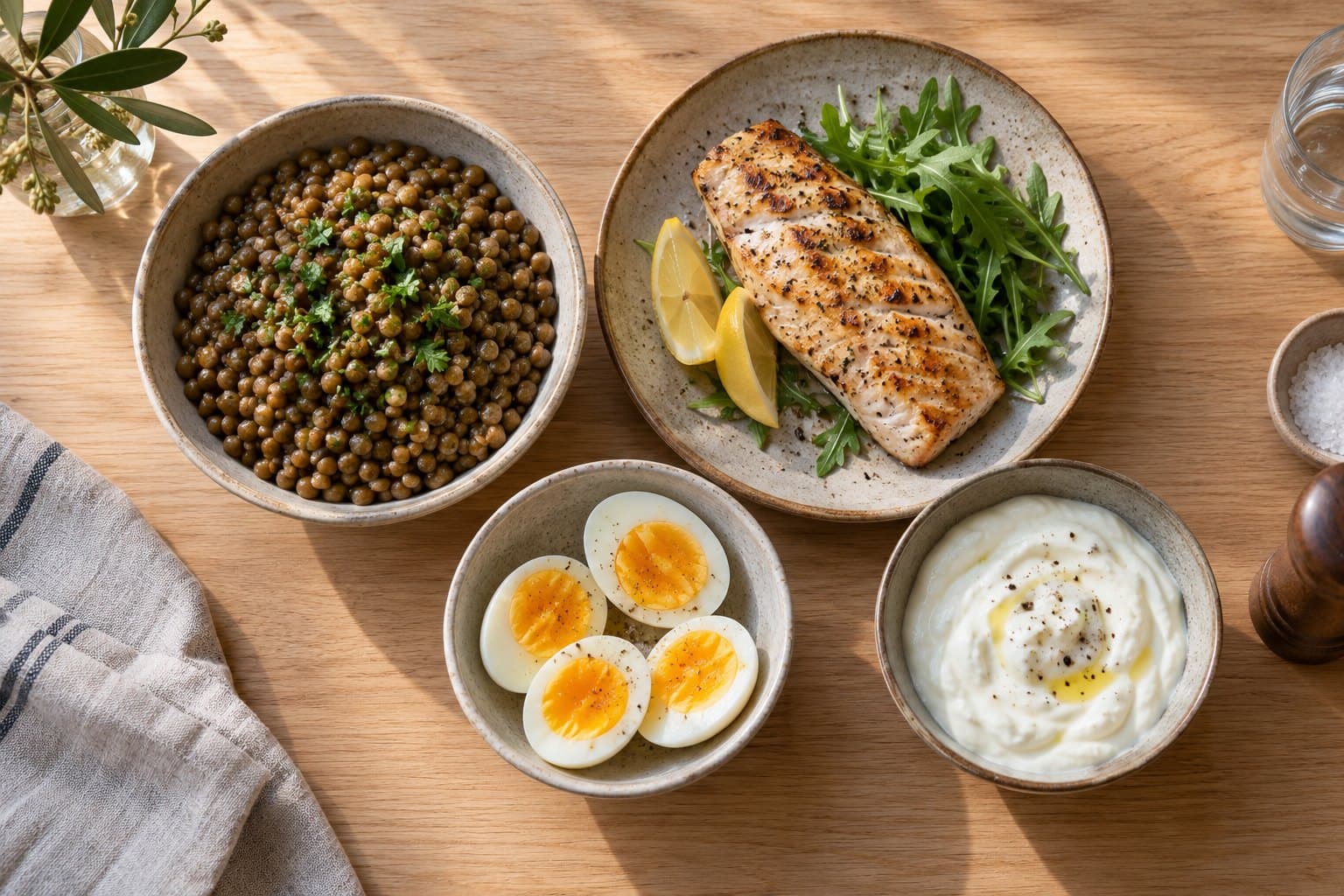
Iron is the main building block of hemoglobin, and Pakistani kitchens have plenty of iron-rich options. Animal sources like red meat, liver (kaleji) and eggs provide heme iron, which the body absorbs most easily. Plant sources include spinach (palak) and other greens, lentils and beans (daal, lobia, chana), dates (khajoor), jaggery (gur), and dried fruits.
Building meals around these, a daal with a side of salad, or palak with meat, steadily supports hemoglobin. Plant iron is absorbed less easily than animal iron, which is where the next tip becomes important.
Boost Absorption With Vitamin C
Vitamin C dramatically improves how much iron your body absorbs from food, especially plant iron. Adding a vitamin-C source to iron-rich meals, a squeeze of lemon on daal or salad, an orange, guava or amla afterward, can significantly increase the iron you take up. This simple pairing is one of the most effective and underused tricks for raising hemoglobin.
What Blocks Iron (Chai Is the Big One)
The habit that most undermines iron in Pakistan is chai with or right after meals. The tannins in tea, and in coffee, bind iron and block its absorption, as does calcium from milk and dairy. Drinking a strong cup of doodh patti straight after a daal-roti meal can cut how much iron you absorb.
The fix is timing: keep tea and coffee to between meals, not with them, and separate large dairy servings from your main iron-rich meals.
Folic Acid, B12 and When You Need Tablets
Hemoglobin also needs folic acid and vitamin B12 to be made properly. Green vegetables, beans and citrus provide folate, while eggs, dairy and meat provide B12, which is why strict vegetarians can run low. For pregnant women, folic acid and iron are especially important and usually supplemented.
Diet raises hemoglobin gradually and prevents deficiency, but if you already have anaemia, food alone often cannot refill iron stores fast enough. In that case iron tablets, taken for two to three months, are needed, and a doctor should confirm the diagnosis and check for a cause.
Raising Hemoglobin Naturally
Foods and habits that work
Iron-Rich Foods
Red meat, liver, palak, daal, beans and dates.
Add Vitamin C
Lemon, orange, guava or amla boosts iron uptake.
Cut Chai at Meals
Tea, coffee and milk block iron; keep between meals.
Folate & B12
Greens, beans, eggs and dairy help make hemoglobin.
Find Out Why It Is Low
Low hemoglobin has a cause, from heavy periods and diet to blood loss or other conditions. If anaemia is severe, keeps returning, or comes with symptoms like blood in the stool or breathlessness, see a doctor to find and treat the cause, not just to eat more iron.
How Long It Takes and How to Track Progress
Raising hemoglobin is a gradual process, and knowing the timeline prevents people from giving up too early. Through diet alone, levels rise slowly over weeks to months. With iron tablets for established anaemia, many people feel better within a couple of weeks as hemoglobin starts to climb, but fully refilling the body's iron stores takes two to three months or longer, which is why the full course matters.
A repeat blood test is the way to confirm progress, usually after a few weeks to check hemoglobin is rising, and later to confirm stores have recovered. Combining the tablet or iron-rich meals with a vitamin-C source, and keeping tea and coffee away from meals, speeds things up. If hemoglobin is not improving despite good intake, that is a signal to see a doctor, because ongoing blood loss or another cause may need investigating rather than simply more iron.
Related Medicines & Tools
See the pages below for related content.
Medicine Reference
Maltofer
Iron polymaltose supplement for iron-deficiency anaemia.
View encyclopedia entryMedicine Reference
Fefol Vit Capsule
Iron with folic acid, commonly used in pregnancy.
View encyclopedia entryFor product choice and dosing, see our guide to the best iron tablet in Pakistan.
Frequently Asked Questions
How can I increase my hemoglobin quickly?
Eat more iron-rich foods like red meat, liver, spinach, daal and dates, and pair them with vitamin C from lemon, orange or guava to absorb the iron better. Cut chai and coffee around meals, since they block iron. Diet raises hemoglobin gradually. If you already have anaemia, iron tablets for two to three months usually work faster, alongside these food habits.
Which foods are highest in iron in Pakistan?
Animal sources like red meat, liver (kaleji) and eggs provide the most easily absorbed iron. Plant sources include spinach and other greens, lentils and beans such as daal, lobia and chana, plus dates, jaggery (gur) and dried fruit. Combining these with a vitamin-C source at the same meal significantly increases how much iron your body takes up.
Does drinking tea affect hemoglobin?
Yes. The tannins in tea, and in coffee, bind iron and reduce its absorption, and calcium from milk does the same. Drinking chai with or right after an iron-rich meal can noticeably cut how much iron you absorb. The simple fix is to keep tea and coffee between meals rather than with them, and to separate large dairy servings from your main meals.
How long does it take to raise hemoglobin?
Through diet alone, hemoglobin rises gradually over weeks to months. With iron tablets for established anaemia, you may feel better within a couple of weeks, but fully refilling iron stores takes two to three months, which is why the full course matters. Stopping early is a common reason anaemia returns. A repeat blood test confirms your levels have recovered.
When should I see a doctor about low hemoglobin?
See a doctor to confirm low hemoglobin with a blood test and to find the cause, especially if anaemia is severe, keeps coming back, or comes with symptoms like heavy periods, blood in the stool, or breathlessness. Low hemoglobin is a sign, not a diagnosis, and treating the underlying cause matters as much as raising the number with food or tablets.
How quickly does hemoglobin rise with iron?
With iron treatment for anaemia, hemoglobin usually starts rising within about two weeks, and you may feel less tired, but fully restoring iron stores takes two to three months or more. This is why doctors advise continuing iron for the full course even after you feel better. A repeat blood test confirms your levels are recovering. Diet alone raises hemoglobin more slowly, over several months.
Why is my hemoglobin not improving despite eating iron-rich food?
Several things can blunt progress: drinking tea or coffee with meals blocks iron, not pairing iron foods with vitamin C reduces absorption, or the deficiency may be too advanced for food alone to fix. Ongoing blood loss, such as heavy periods, can also outpace intake. If levels are not improving, see a doctor to check the cause and consider iron tablets rather than relying on diet alone.
Quick Comparison: Haem vs Non-Haem Iron Sources & Absorption in Pakistan
| Iron Type | Top Pakistani Food Sources | Bioavailability | Best Paired With | Avoid Taking Within 2 Hours Of |
|---|---|---|---|---|
| Haem Iron (Animal) | Mutton/beef kaleji (liver), lean beef, chicken, fish | 15% – 35% (rapid Hb rise) | Fresh lemon, salad | Excess calcium supplements |
| Non-Haem Iron (Plant) | Palak (spinach), chana (chickpeas), masoor daal, dates, gur | 2% – 10% | Vitamin C (kinnow, guava, lemon) | Doodh patti chai, green tea, coffee, milk |
| Oral Iron Salts | Ferrous sulfate / polymaltose / bisglycinate tablets | High therapeutic dose | 250–500 mg Vitamin C | Antacids, Omeprazole, calcium tablets |
Related Guides: Compare oral supplements in Best Iron Tablet in Pakistan and Iron Deficiency Anaemia in Women.
Medical Sources
Tags
Share
Medical disclaimer
Ye article sirf educational maqsad ke liye hai. Personal diagnosis, dosing, aur treatment decision ke liye doctor se mashwara karein.