How to Control Blood Sugar Without Medicine
Early type 2 diabetes and prediabetes can often be controlled with lifestyle alone. A Pakistani guide to lowering blood sugar through diet, activity, weight loss and sleep, and the honest limits of doing it without medicine.
A named review is not recorded for this article. Confirm medical advice with a qualified clinician.

Table of Contents
- Cut the Sugar Spikes
- Build a Better Plate
- Move, Especially After Meals
- Weight, Sleep and the Honest Limits
- Walk After Meals: A Proven, Free Tool
- Related Medicines & Tools
- Frequently Asked Questions
- Can I control diabetes without medicine?
- What foods lower blood sugar?
- Does walking after meals help blood sugar?
- How much weight loss improves blood sugar?
- When do I need diabetes medicine?
- Does walking after meals lower blood sugar?
- How long should I walk after eating?
Quick Answer
For prediabetes and early type 2 diabetes, lifestyle changes can control blood sugar and sometimes reverse it: cut sugar and refined carbs (maida, white rice, sweets), fill half your plate with vegetables, choose whole grains, add protein, and move daily, especially a walk after meals. Losing excess weight has the biggest effect. This works best early, and you should not stop prescribed medicine or change treatment without your doctor.
Type 2 diabetes is extremely common in Pakistan, and many people ask whether they can control their sugar without medicine. For prediabetes and early diabetes, the answer is often yes, lifestyle changes can bring blood sugar down and sometimes push early diabetes into remission. The important caveat is that this is a partnership with your doctor, not a reason to abandon prescribed treatment.
Cut the Sugar Spikes
The foods that spike blood sugar most are refined carbohydrates and sugar: white flour (maida), white bread, large portions of white rice, sugary drinks, and sweets like mithai. Cutting or reducing these is the single most impactful dietary change. It does not mean never eating rice or roti, but choosing smaller portions and better versions.
Swapping toward whole grains, whole-wheat atta, brown rice in moderation, oats, slows the sugar rise because the fibre blunts it. Sugary drinks and juices are worth cutting almost entirely.
Build a Better Plate
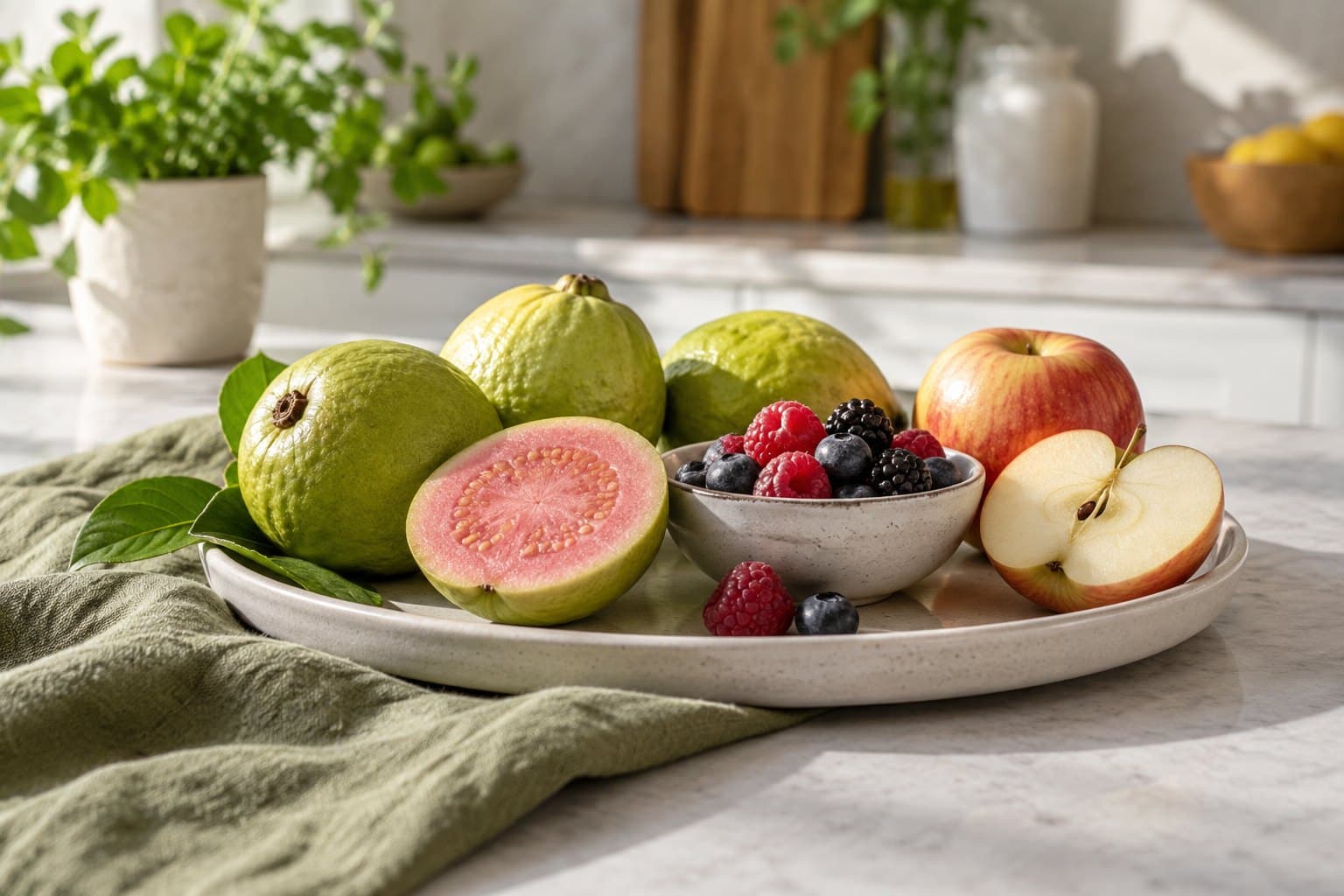
A simple, effective approach is the balanced plate: fill half with non-starchy vegetables (sabzi, salad), a quarter with protein (chicken, fish, eggs, daal), and a quarter with a whole-grain carbohydrate. Vegetables and protein slow digestion and steady blood sugar, so the same amount of rice affects you less when it is balanced by them.
Adding daal, beans and vegetables to meals, and not eating carbohydrates alone, keeps sugar steadier through the day.
Move, Especially After Meals
Physical activity lowers blood sugar directly by helping muscles use glucose, and it improves insulin sensitivity over time. A brisk walk of 15 to 30 minutes after meals is particularly effective at blunting the post-meal sugar spike, an easy habit to build after lunch or dinner. Regular activity through the week, plus some strength work, compounds the benefit.
Weight, Sleep and the Honest Limits
Losing excess weight has the largest single effect on blood sugar, and even a modest, sustained loss can significantly improve control or push early diabetes toward remission. Good sleep and stress management matter too, since both affect blood sugar. That said, be honest about limits: not everyone can control diabetes without medicine, and type 1 diabetes always needs insulin. If your sugar stays high despite lifestyle changes, medication is not a failure, it is the right tool, and you should never stop prescribed treatment on your own.
Lower Blood Sugar Naturally
Lifestyle levers that work
Cut Refined Carbs
Less maida, white rice, sweets and sugary drinks.
Balanced Plate
Half vegetables, quarter protein, quarter whole grain.
Walk After Meals
15 to 30 minutes blunts the post-meal spike.
Lose Excess Weight
The biggest single lever for better control.
Work With Your Doctor, Not Against Treatment
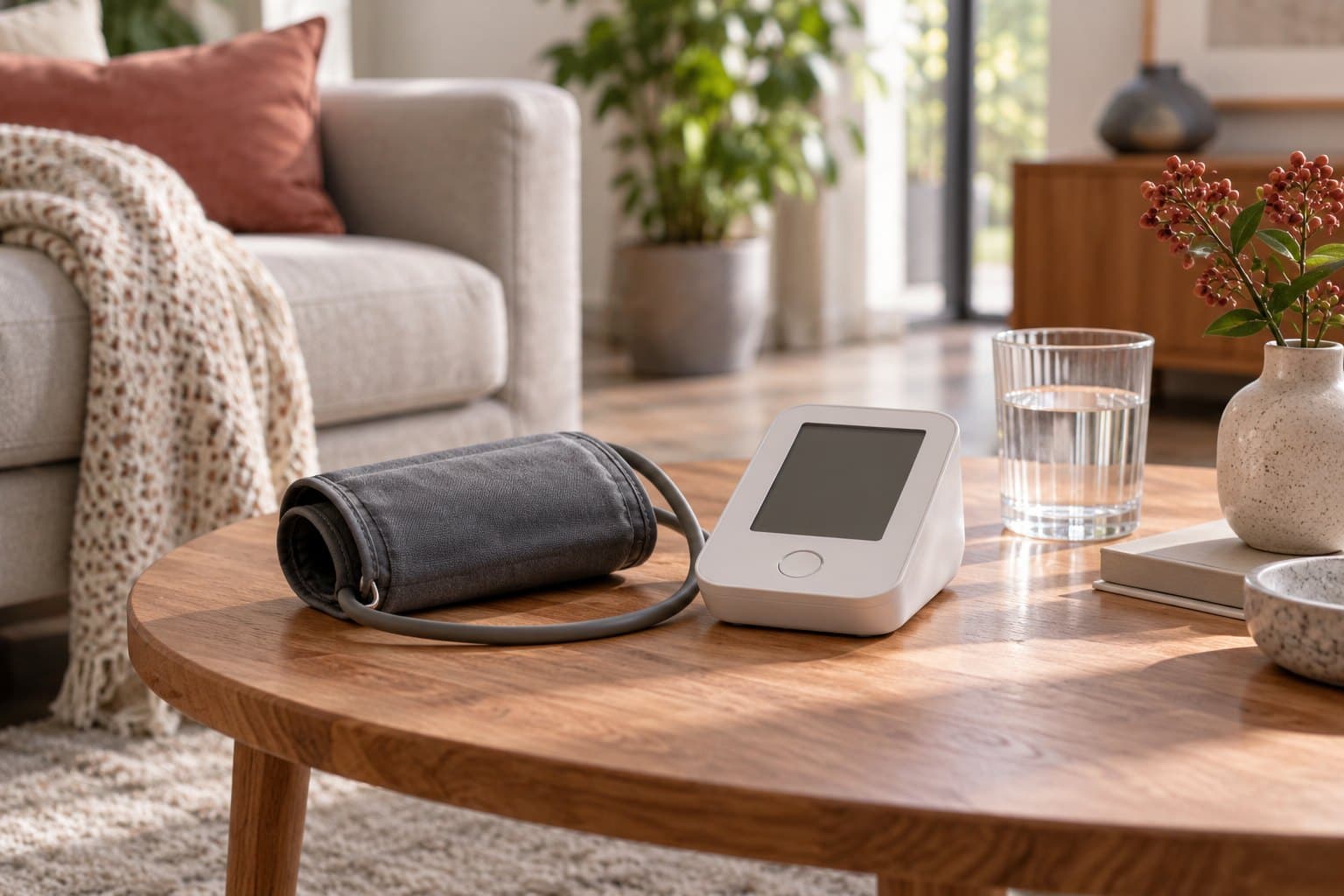
Lifestyle changes are powerful, but do not stop or reduce prescribed diabetes medicine without your doctor. If sugar stays high despite good habits, medication is the right tool, not a failure. Type 1 diabetes always needs insulin. Monitor your blood sugar and let your doctor guide any changes.
Walk After Meals: A Proven, Free Tool
One of the most effective and underused ways to control blood sugar costs nothing: a short walk after eating. Studies in people with type 2 diabetes show that a 10 to 20 minute walk shortly after a meal, starting around five minutes after finishing, meaningfully lowers the post-meal blood sugar spike, and does so better than walking before the meal or not walking at all. In one study, post-meal walking was even comparable to a dose of mealtime insulin for blunting the glucose rise.
The reason is simple: gentle activity helps your muscles pull glucose out of the blood just when it is peaking after food. In practical terms, a stroll after lunch or dinner, around the block, the courtyard, or the market, is one of the highest-value habits a person with prediabetes or early type 2 diabetes can build. Combined with cutting refined carbs and losing excess weight, it is a genuinely powerful, medicine-free way to keep blood sugar steadier.
Related Medicines & Tools
See the pages below for related content.
For a full eating plan, see our diabetes diet plan for Pakistan, and to catch it early, our guide to diabetes symptoms.
Frequently Asked Questions
Can I control diabetes without medicine?
For prediabetes and early type 2 diabetes, lifestyle changes can often control blood sugar and sometimes push it into remission: cutting sugar and refined carbs, eating a balanced plate, moving daily and losing excess weight. This works best early. However, not everyone can manage without medicine, and type 1 diabetes always needs insulin. Never stop prescribed treatment on your own; work with your doctor.
What foods lower blood sugar?
No food dramatically lowers blood sugar, but the right choices keep it steady: non-starchy vegetables, protein like chicken, fish, eggs and daal, and whole grains in moderation. These slow the sugar rise, especially when they replace refined carbs like maida, white rice and sweets. Fibre-rich foods and balanced meals are the practical way to lower post-meal sugar, along with cutting sugary drinks.
Does walking after meals help blood sugar?
Yes, and it is one of the easiest effective habits. A brisk walk of 15 to 30 minutes after meals helps your muscles use glucose and blunts the post-meal blood sugar spike. Building this in after lunch or dinner, along with regular activity through the week, improves insulin sensitivity over time. It is a simple, free tool that genuinely supports blood sugar control.
How much weight loss improves blood sugar?
Even a modest, sustained weight loss can meaningfully improve blood sugar control, and larger, lasting weight loss can push early type 2 diabetes toward remission for some people. Weight loss has the biggest single effect among lifestyle changes. The key is gradual, sustainable change through better eating and activity rather than crash dieting, alongside monitoring your blood sugar with your doctor.
When do I need diabetes medicine?
Medicine is needed when lifestyle changes are not enough to keep blood sugar in a safe range, when diabetes is more advanced at diagnosis, or for type 1 diabetes, which always requires insulin. Needing medication is not a personal failure; it is the right tool for the situation. Continue lifestyle efforts alongside it, and let your doctor guide the treatment based on your blood sugar readings.
Does walking after meals lower blood sugar?
Yes, and the evidence is strong. In people with type 2 diabetes, a short walk shortly after a meal lowers the post-meal blood sugar spike more effectively than walking beforehand or not walking. Gentle activity helps muscles use glucose just as it peaks after eating. A stroll after lunch or dinner is one of the simplest, most effective free tools for steadier blood sugar, especially alongside cutting refined carbs.
How long should I walk after eating?
Studies suggest a walk of about 10 to 20 minutes, starting around five minutes after you finish eating, is enough to meaningfully blunt the post-meal blood sugar rise. It does not need to be fast, a comfortable, steady pace works. Building this in after your main meals, especially lunch and dinner, is an easy habit that adds up, and it complements weight loss and a balanced plate for blood sugar control.
Medical Sources
Tags
Share
Medical disclaimer
Ye article sirf educational maqsad ke liye hai. Personal diagnosis, dosing, aur treatment decision ke liye doctor se mashwara karein.