Cholesterol-Lowering Foods in Pakistan
High cholesterol quietly raises heart-attack risk, and the Pakistani diet can either fuel it or fight it. A guide to the foods that lower bad cholesterol, the ones to cut, and the everyday swaps that protect your heart.
A named review is not recorded for this article. Confirm medical advice with a qualified clinician.
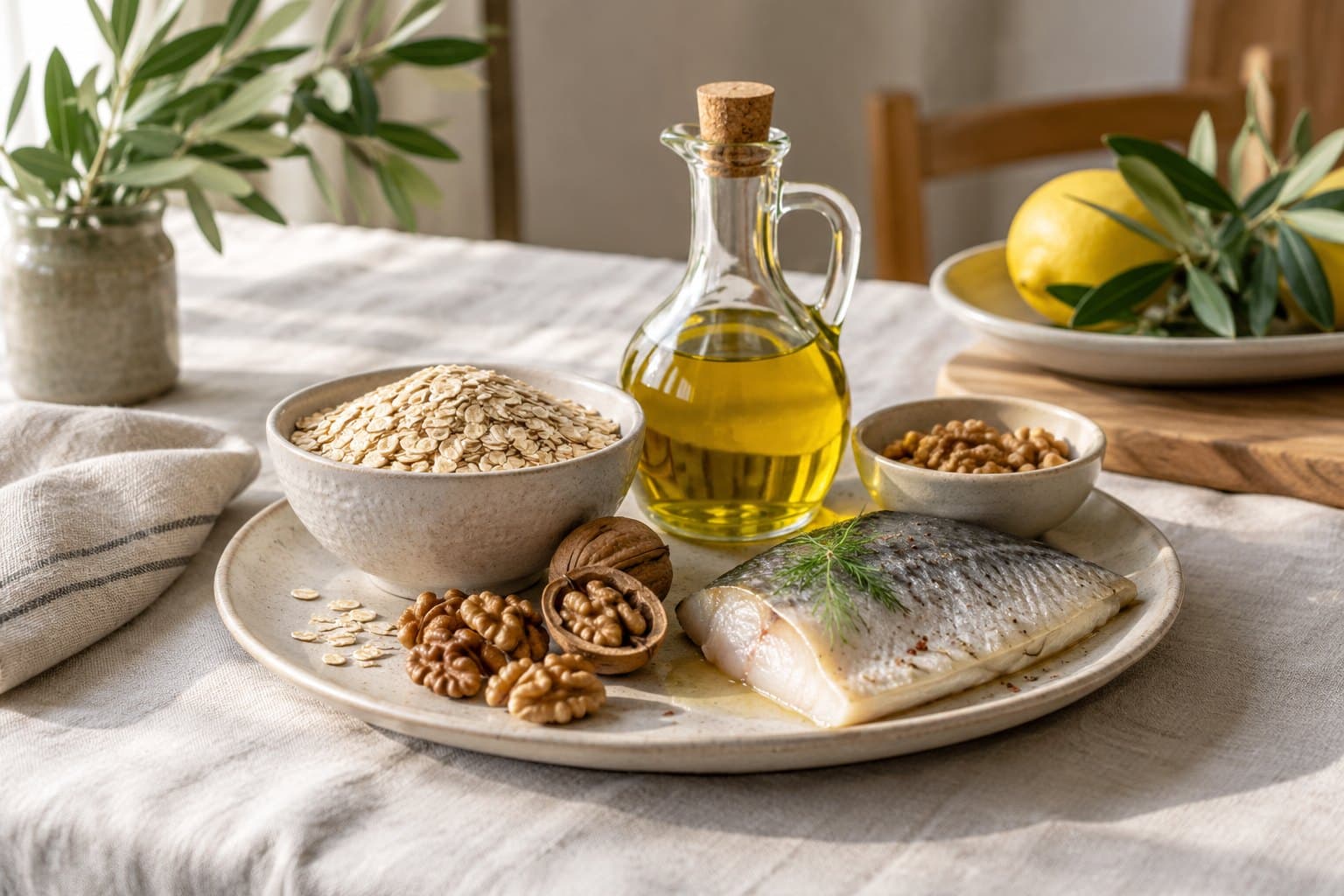
Table of Contents
- Foods That Lower Cholesterol
- Foods That Raise Cholesterol
- Smart Desi Swaps
- Diet Plus Activity
- Oats and Soluble Fibre: The Numbers
- Related Medicines & Tools
- Frequently Asked Questions
- What foods lower cholesterol fast?
- Which Pakistani foods raise cholesterol the most?
- Does daal help lower cholesterol?
- Can I lower cholesterol without medicine?
- How do I know if my cholesterol is high?
- How much oats do I need to lower cholesterol?
- Do plant sterol foods really work for cholesterol?
- How long does it take for diet to lower cholesterol?
Quick Answer
To lower cholesterol, eat more soluble fibre (oats, daal, beans, barley), healthy fats (nuts, seeds, olive oil, oily fish), and plenty of vegetables and fruit, while cutting fried food, ghee-heavy dishes, processed and fatty red meat, and trans fats from many bakery and packaged snacks. These swaps lower LDL, the harmful cholesterol. Diet plus activity helps, but if cholesterol is high or you are high-risk, do not stop prescribed medicine.
High cholesterol is a major, silent driver of heart disease in Pakistan, and it produces no symptoms until it causes a problem. Diet has a real effect on it, especially on LDL, the harmful cholesterol that clogs arteries. The typical Pakistani diet, rich in ghee, fried food and refined carbs, can push cholesterol up, but a few deliberate choices push it back down.
Foods That Lower Cholesterol
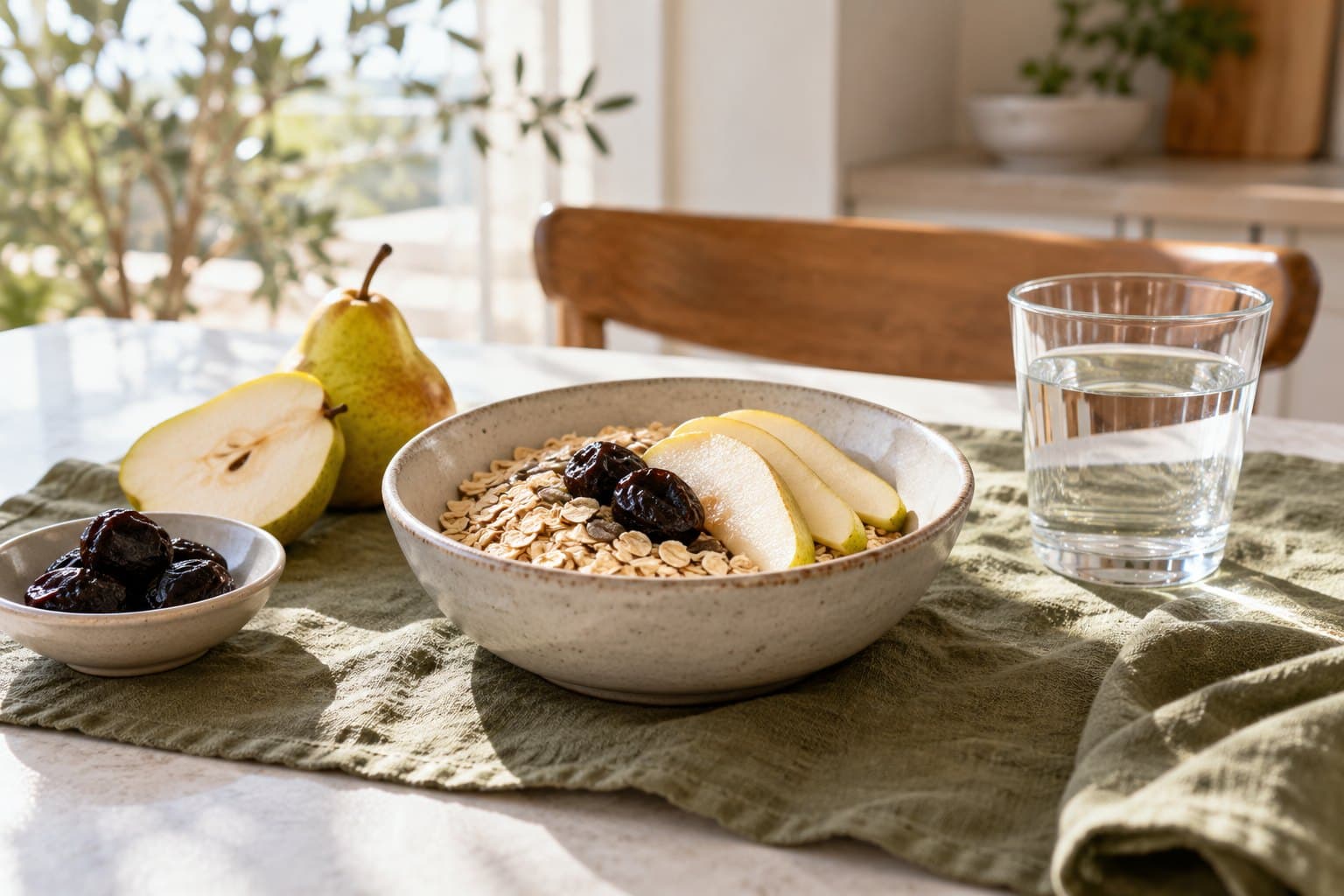
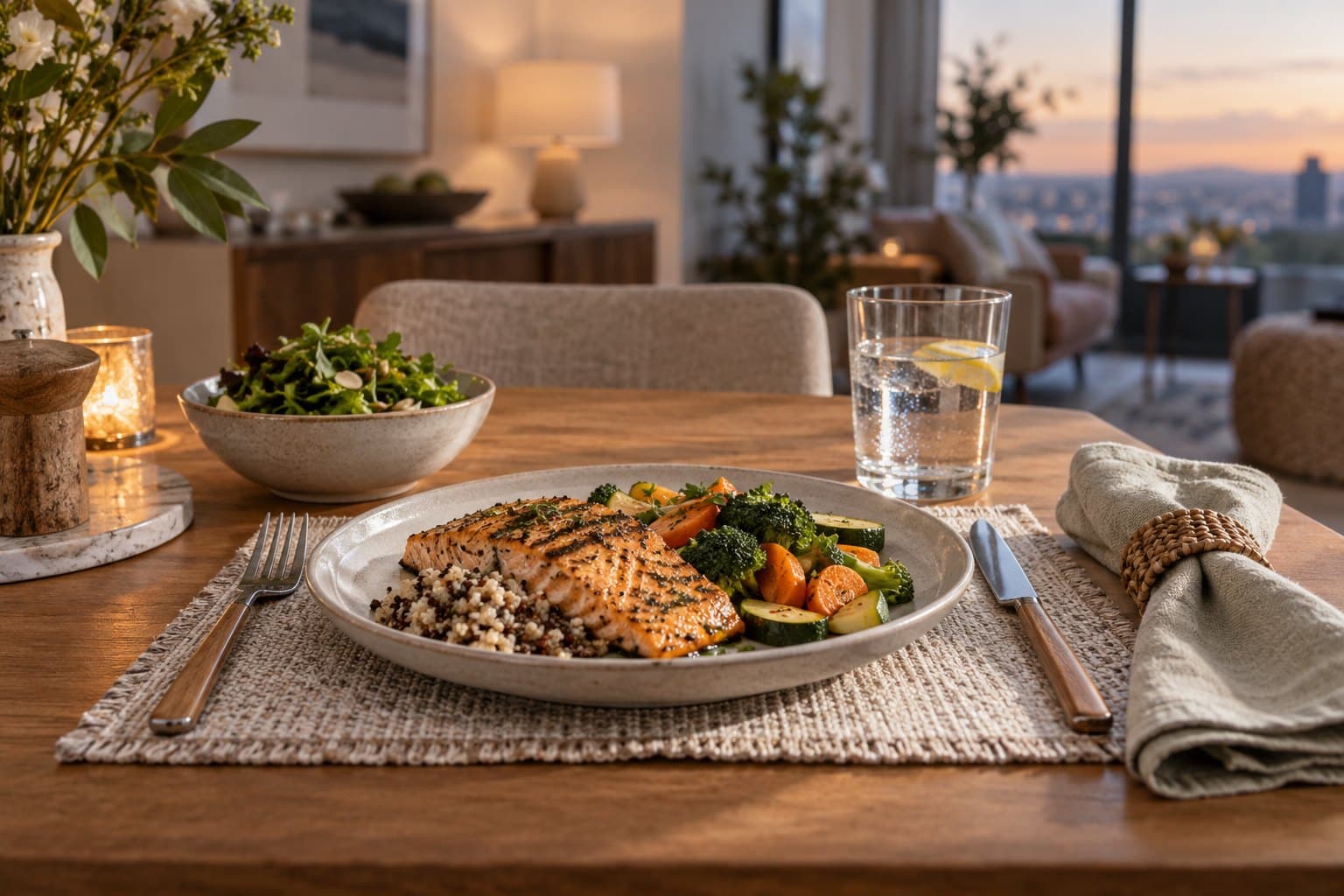
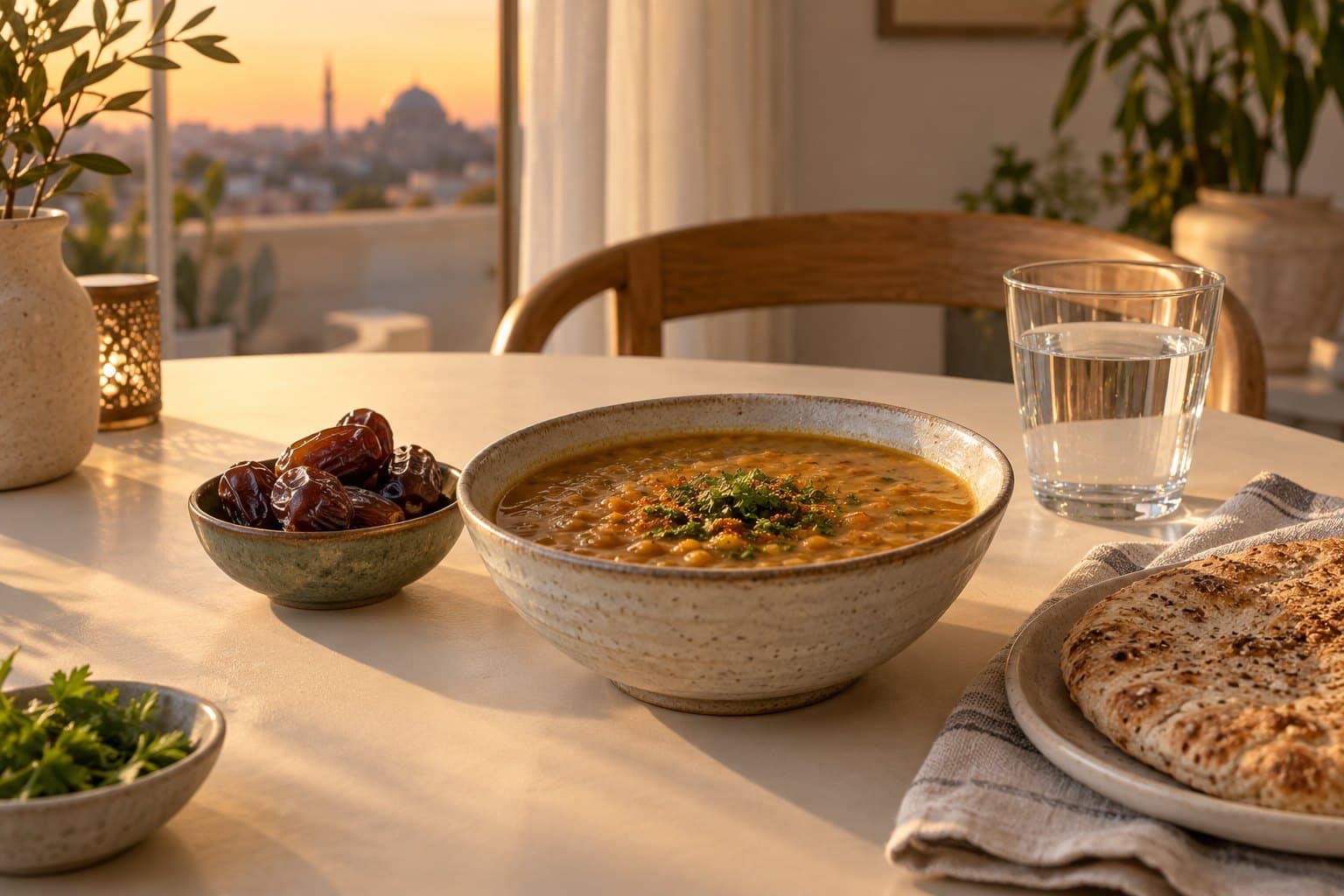
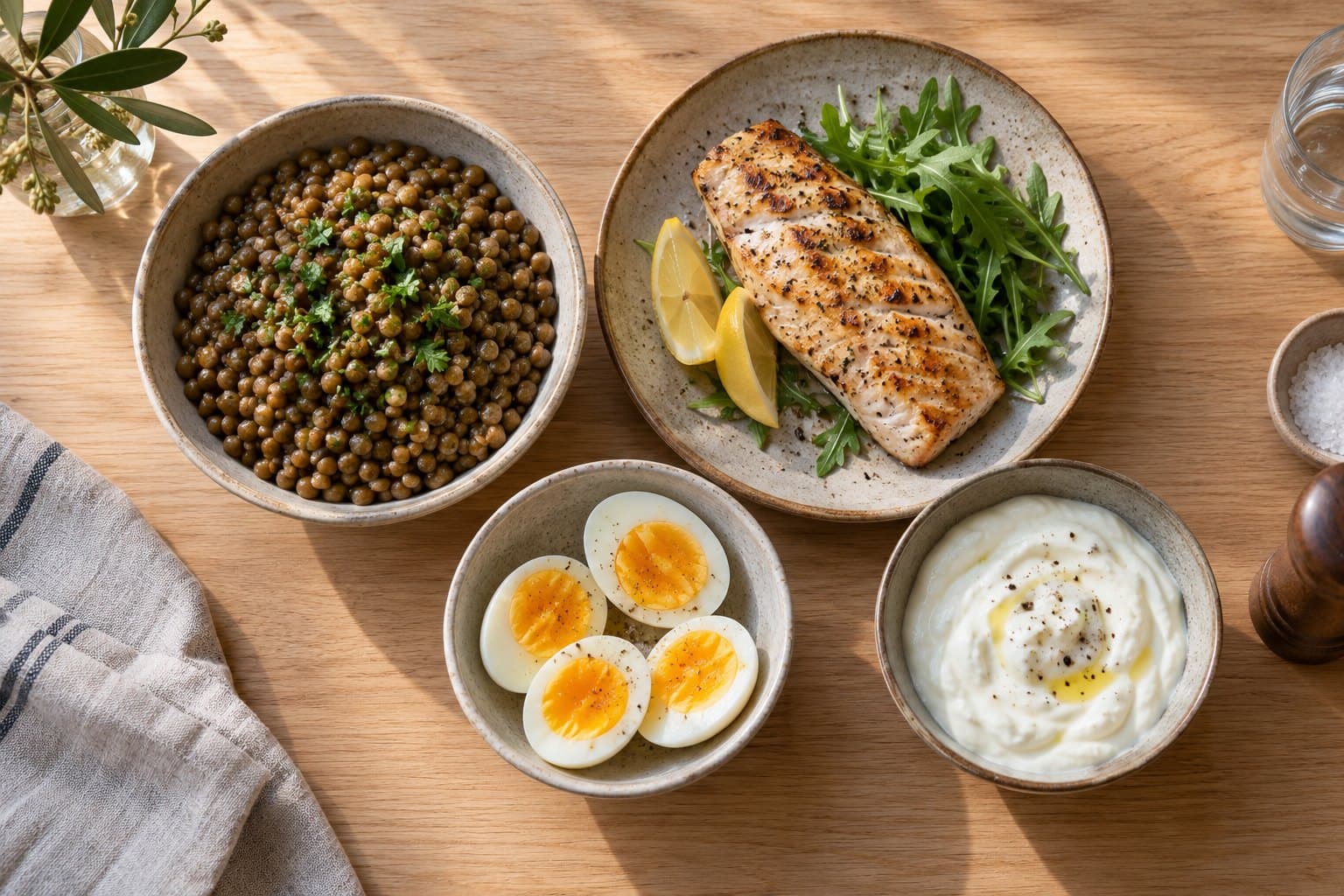
Some foods actively reduce LDL. Soluble fibre is the standout: oats (jai), barley, daal, beans (lobia, chana), and fruit like apples bind cholesterol in the gut and carry it out. Nuts such as almonds and walnuts, and healthy oils like olive oil, improve the cholesterol balance. Oily fish provides omega-3 fats that benefit the heart.
Building these into daily meals, oats for nashta, daal at lunch, a handful of nuts as a snack, steadily lowers LDL over weeks.
Foods That Raise Cholesterol
The foods to cut are the ones high in saturated and trans fats. Deep-fried items like samosa, pakora and puri, ghee-heavy curries and paratha, fatty cuts of red meat and organ meats, and full-fat dairy in large amounts all raise LDL. Trans fats, found in many commercial bakery items, biscuits and packaged snacks, are especially harmful and worth avoiding.
You do not have to eliminate these entirely, but making them occasional rather than daily has a real impact.
Smart Desi Swaps
Small swaps add up. Grill, bake or use less oil instead of deep-frying. Choose whole-wheat atta over maida, brown rice sometimes over white, and lean chicken or fish over fatty mutton. Use olive or other liquid oils in moderation rather than large amounts of ghee. Swap sugary drinks for water and fried snacks for fruit or nuts.
These changes keep meals recognisably Pakistani while meaningfully improving your cholesterol.
Diet Plus Activity
Food works best alongside movement. Regular physical activity raises HDL, the protective cholesterol, and helps lower LDL and triglycerides. Losing excess weight, not smoking, and limiting alcohol all support a healthier cholesterol profile. For many people, consistent diet and activity meaningfully improve their numbers, though those at high risk may still need medication.
Eat for Lower Cholesterol
Heart-smart desi choices
Soluble Fibre
Oats, daal, beans and barley bind and remove LDL.
Nuts & Healthy Oils
Almonds, walnuts and olive oil improve balance.
Oily Fish
Omega-3 fats benefit the heart.
Cut Fried & Trans Fats
Limit samosa, pakora, ghee and bakery snacks.
Know Your Numbers
High cholesterol has no symptoms, so a simple blood test is the only way to know your levels. If your cholesterol is high, especially with other risk factors like diabetes, high blood pressure or a family history of heart disease, follow your doctor's advice, which may include medication alongside diet.
Oats and Soluble Fibre: The Numbers
Of all the cholesterol-lowering foods, oats have the strongest, most measurable evidence, thanks to a soluble fibre called beta-glucan. Studies and a meta-analysis of many trials show that about 3 grams of oat beta-glucan a day, the amount in a decent bowl of oats or a couple of servings, lowers LDL (the harmful cholesterol) by roughly 6 percent, or around 0.25 mmol/L. The effect is strong enough that regulators have approved a health claim linking oat beta-glucan to reduced heart-disease risk.
Other foods add to this. Barley contains the same beta-glucan; pulses like daal and chana provide soluble fibre; and foods fortified with plant sterols or stanols can further reduce cholesterol absorption. Nuts, olive and other liquid oils, and oily fish improve the overall balance. The practical message for a Pakistani kitchen is simple: a daily bowl of oats or the equivalent in barley and pulses, combined with cutting fried and ghee-heavy food, is a genuinely evidence-based way to bring cholesterol down.
Related Medicines & Tools
See the pages below for related content.
For liver-related eating, see our fatty liver diet guide, and to recognise a cardiac emergency, our guide to heart attack warning signs.
Frequently Asked Questions
What foods lower cholesterol fast?
Foods rich in soluble fibre, oats, barley, daal, beans and fruit like apples, actively lower LDL by carrying cholesterol out of the gut. Nuts, olive oil and oily fish improve the cholesterol balance. Building these into daily meals, alongside cutting fried and ghee-heavy food, lowers cholesterol over weeks. There is no overnight fix, but consistent changes produce meaningful improvement in a couple of months.
Which Pakistani foods raise cholesterol the most?
Deep-fried items like samosa, pakora and puri, ghee-heavy curries and paratha, fatty red meat and organ meats, and full-fat dairy in large amounts raise LDL. Trans fats in many commercial bakery products, biscuits and packaged snacks are especially harmful. You do not have to cut these entirely, but making them occasional rather than daily has a real effect on your cholesterol.
Does daal help lower cholesterol?
Yes. Daal and other pulses are rich in soluble fibre, which binds cholesterol in the gut and helps remove it, lowering LDL. As a staple in Pakistani cooking, daal is an easy, affordable way to support healthier cholesterol, especially when it replaces fatty meat dishes. Combining it with vegetables and whole grains makes meals both heart-friendly and satisfying.
Can I lower cholesterol without medicine?
Many people meaningfully improve their cholesterol through diet and activity: eating more fibre and healthy fats, cutting fried and trans fats, exercising regularly, losing excess weight and not smoking. Whether this is enough depends on your levels and overall heart risk. Those at high risk, or with very high cholesterol, may still need medication. Do not stop a prescribed statin without your doctor's advice.
How do I know if my cholesterol is high?
High cholesterol causes no symptoms, so the only way to know is a simple blood test (a lipid profile). If you have risk factors like diabetes, high blood pressure, obesity, smoking or a family history of early heart disease, it is worth getting checked. Knowing your numbers lets you and your doctor decide whether diet alone, or diet plus medication, is needed.
How much oats do I need to lower cholesterol?
The evidence points to about 3 grams of oat beta-glucan a day, which is roughly the amount in a good bowl of oats or a couple of servings of oats or barley. At that intake, studies show LDL cholesterol falls by around 6 percent. Higher intakes give somewhat greater reductions. Eating oats daily, as part of cutting saturated fat, is one of the most reliable food-based ways to lower cholesterol.
Do plant sterol foods really work for cholesterol?
Yes, foods fortified with plant sterols or stanols can reduce how much cholesterol the gut absorbs, modestly lowering LDL when taken regularly at the recommended amount. They are one useful tool among several, most helpful alongside a diet high in soluble fibre and low in saturated fat. They are not a substitute for prescribed medicine if you are at high heart-disease risk, so combine them with overall healthy eating and follow your doctor's advice.
How long does it take for diet to lower cholesterol?
With consistent changes, cholesterol usually begins to improve within a few weeks, and a meaningful reduction is often seen over about two to three months. Daily soluble fibre from oats, barley and pulses, cutting saturated and trans fats, and regular activity all contribute. The key is consistency, since the effect builds over time rather than overnight. A repeat blood test after a couple of months shows how much your numbers have improved.
Medical Sources
Tags
Share
Medical disclaimer
Ye article sirf educational maqsad ke liye hai. Personal diagnosis, dosing, aur treatment decision ke liye doctor se mashwara karein.