Healthy Breakfast Ideas for Pakistanis
The classic Pakistani nashta can be heavy and sugary. A guide to healthy, filling breakfast ideas using familiar foods, why protein at breakfast steadies energy and blood sugar, what the evidence shows, and quick options for busy mornings.
A named review is not recorded for this article. Confirm medical advice with a qualified clinician.

Table of Contents
- Why a Good Breakfast Matters
- Eggs vs the Refined-Carb Breakfast
- Protein-Rich Options
- Fibre and Whole Grains
- What to Limit
- Quick Ideas for Busy Mornings
- Related Medicines & Tools
- Frequently Asked Questions
- What is a healthy Pakistani breakfast?
- Is paratha a healthy breakfast?
- What should I eat for breakfast to lose weight?
- Why is protein at breakfast important?
- Is it bad to skip breakfast?
- What are quick healthy breakfast options for busy mornings?
- Are eggs a good breakfast for diabetics?
Quick Answer
A healthy Pakistani breakfast balances protein, fibre and some healthy fat to keep you full and steady: eggs with whole-wheat roti, daal or chana with roti, yoghurt with fruit and nuts, oats (daliya) with milk, or a vegetable omelette. Research shows a protein-rich breakfast (aim for 20 to 30 grams) blunts the blood-sugar spike, increases fullness, and reduces how much you eat at lunch. Limit fried paratha, puri and sugary cereals, and go easy on sweet milky tea.
Breakfast, or nashta, sets the tone for the day, and the traditional Pakistani versions range from genuinely nourishing to heavy, fried and sugary. You do not need imported health foods to eat well in the morning; familiar ingredients, balanced better, make a filling breakfast that steadies your energy and blood sugar. Here are practical, evidence-based ideas that fit a Pakistani kitchen.
Why a Good Breakfast Matters
A balanced breakfast that includes protein and fibre keeps you full for longer, steadies blood sugar, and helps prevent the mid-morning slump and cravings that a sugary start causes. This is not just folk wisdom. In controlled studies, a higher-protein breakfast produced lower blood-sugar and insulin rises after eating compared with a low-protein, high-carbohydrate meal, and the biggest benefits appeared at protein intakes of around 20 to 30 grams or more.
The effect carries through the day. In one trial, people who ate a breakfast with around 39 grams of protein ate significantly less at lunch than those who had a low-protein breakfast or skipped it. For anyone managing weight or blood sugar, that ripple effect matters: a fried, refined-carb breakfast spikes and then crashes energy, while a balanced one keeps things level and curbs later snacking.
Eggs vs the Refined-Carb Breakfast
One of the clearest comparisons in the research is eggs versus a refined-carbohydrate breakfast. Swapping sugary, starchy breakfast foods for eggs has been shown to increase fullness and reduce calorie intake, and in adults at risk of type 2 diabetes, replacing added sugars and refined starches with egg protein and healthy fats improved whole-body insulin sensitivity, by roughly a quarter in one study, along with better blood-fat markers.
In everyday Pakistani terms, that is the difference between two eggs with a whole-wheat roti and a plate of halwa puri or sugary cereal. Both fill you at the table, but the egg breakfast keeps you steadier for hours, while the sugary one leaves you hungry and reaching for a snack by mid-morning.
Protein-Rich Options
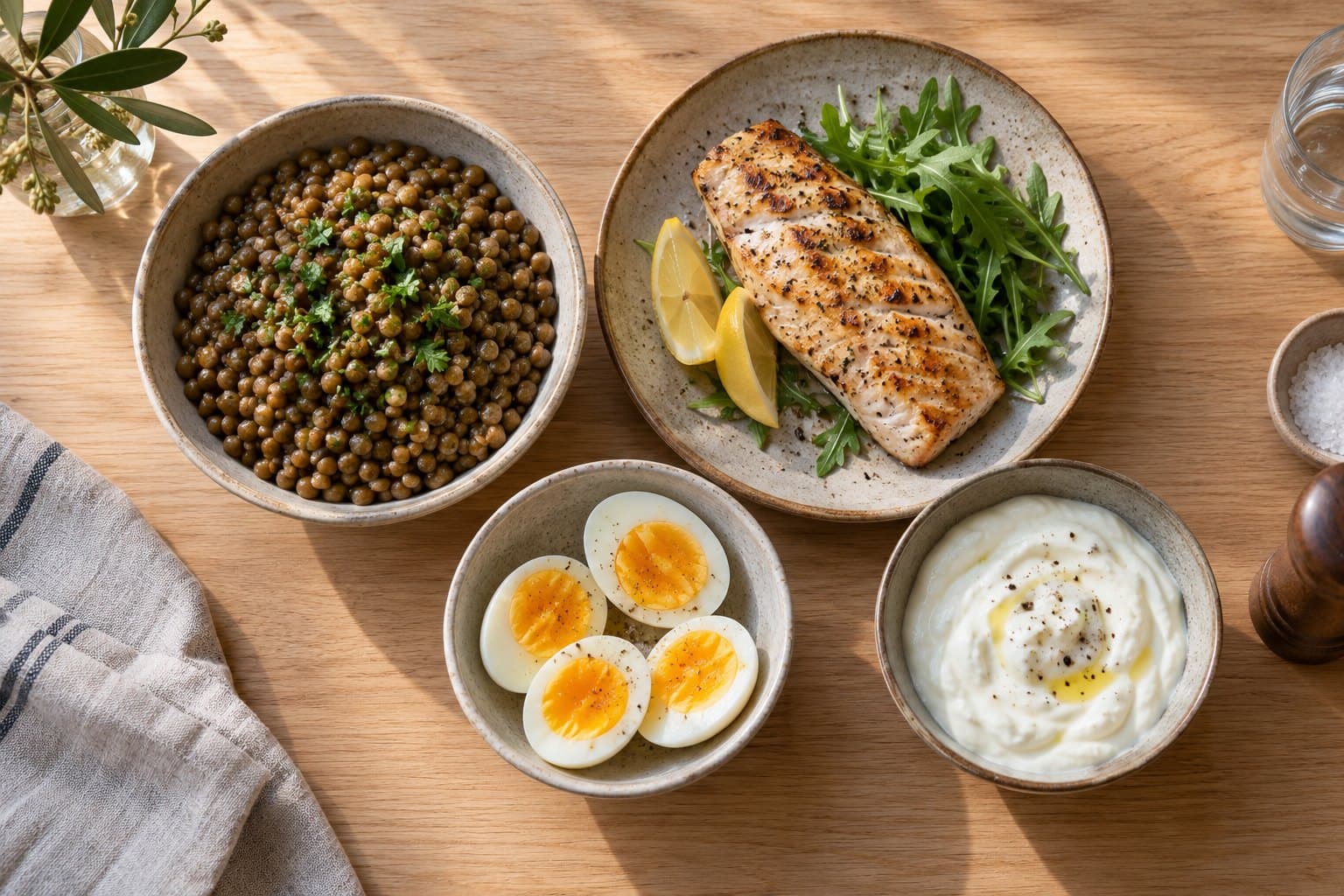
Protein is the key to a filling breakfast. Eggs are cheap and versatile: boiled, or as an omelette with vegetables like tomato, onion and hari mirch. Daal or chana with a whole-wheat roti is a traditional, protein-and-fibre-rich option that many families already eat. Yoghurt (dahi) with fruit and a few nuts is quick and balanced, and paneer or leftover cooked meat with roti also works well.
The practical rule is to pair a protein with a whole grain rather than eating refined carbs alone. A roti or paratha on its own is mostly starch; add an egg, some daal, or a bowl of dahi, and you turn it into a breakfast that actually holds you.
Fibre and Whole Grains
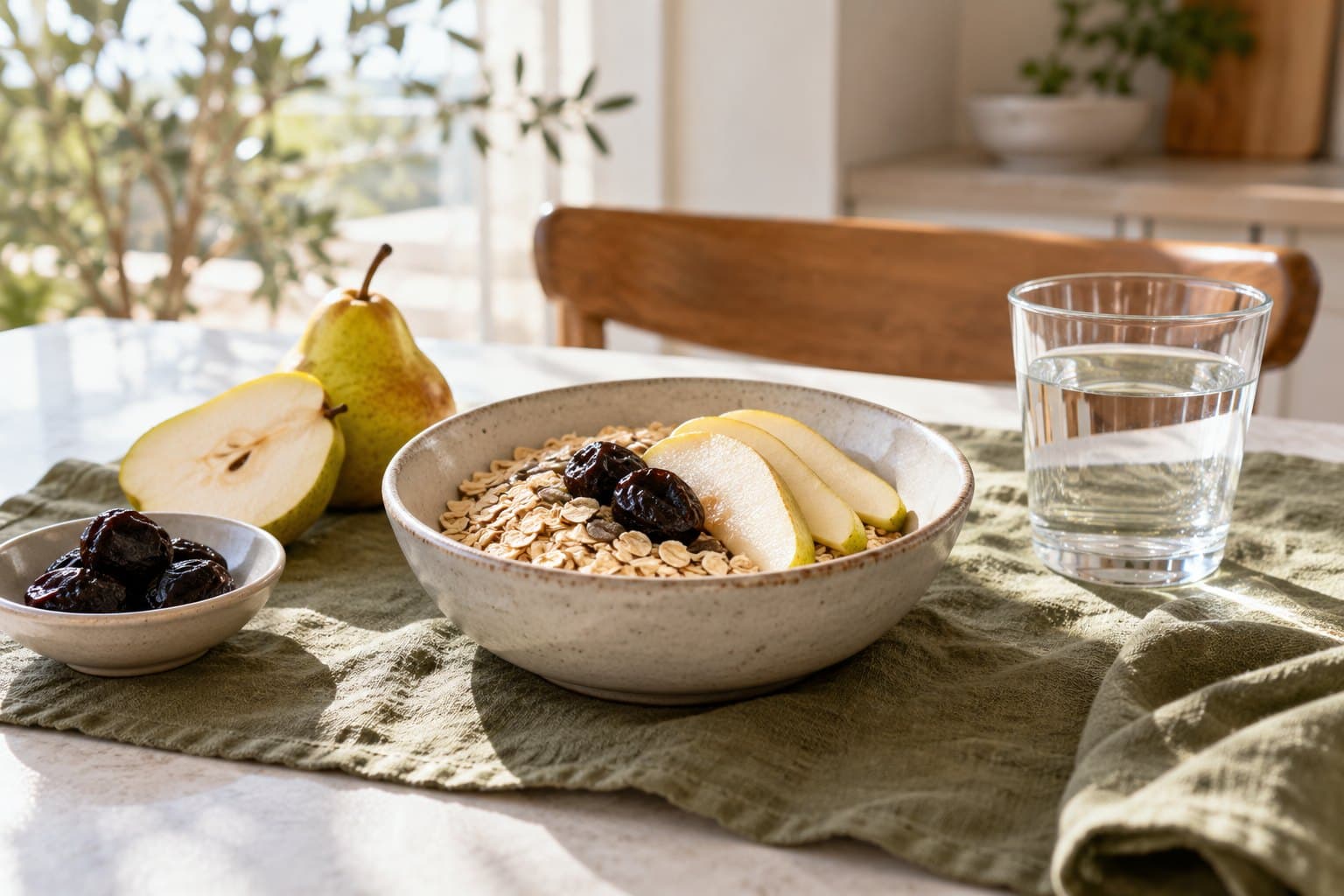
Fibre slows digestion and steadies blood sugar, which complements the protein. Oats or daliya cooked with milk, topped with fruit and nuts, is a warming, filling choice that combines fibre and protein. Whole-wheat roti or a paratha made with less oil is better than white bread or puri. Adding vegetables to eggs, or fruit to yoghurt and oats, boosts fibre and nutrients without much effort.
Studies that combined higher protein with higher fibre at breakfast found even better control of blood sugar across the following 24 hours, so the two work together. In a Pakistani kitchen, that can be as simple as an omelette with vegetables and a whole-wheat roti, or dahi with fruit and a spoon of nuts.
What to Limit
Go easy on the heavy, fried and sugary options: oily paratha, puri, halwa puri, sugary cereals, white bread with jam, and very sweet milky tea eaten daily. These are fine as an occasional treat but heavy as an everyday start, since they are high in refined carbohydrate and fat and low in the protein and fibre that keep you full. The sweet chai habit is worth watching too, since several cups with sugar add up quietly.
You do not have to give up a weekend halwa puri entirely. The point is that your default, everyday breakfast should lean toward protein and fibre, with the fried-and-sweet version kept as the exception.
Quick Ideas for Busy Mornings
A healthy breakfast does not need time. For rushed mornings, try a boiled egg with a roti, yoghurt with fruit and a handful of nuts, a banana with a spoon of peanut butter, or overnight oats prepared the night before. Keeping boiled eggs ready in the fridge, or soaking oats overnight, means a balanced nashta takes seconds. Even a glass of milk or a lassi with some nuts beats skipping breakfast or grabbing a sugary biscuit with tea.
Healthy Nashta Ideas
Filling, balanced, familiar
Eggs & Roti
Protein plus whole grain keeps you full for hours.
Daal or Chana
Traditional, high in protein and fibre.
Oats or Daliya
With milk, fruit and nuts for steady energy.
Dahi & Fruit
Quick, balanced and gut-friendly.
Aim 20-30g Protein
Blunts the sugar spike and curbs lunch cravings.
Limit Halwa Puri
Keep fried, sugary starts as an occasional treat.
Breakfast and Blood Sugar
If you have diabetes or prediabetes, a balanced breakfast with protein and fibre, and limited refined carbs and sugar, helps keep morning blood sugar steadier and can reduce the spike at the next meal too. Work with your doctor or dietitian on what suits your targets, and monitor how different breakfasts affect your readings.
Related Medicines & Tools
See the pages below for related content.
For blood sugar, see our guide on how to control sugar without medicine, and for balanced eating overall, our weight loss diet plan.
Frequently Asked Questions
What is a healthy Pakistani breakfast?
A healthy nashta balances protein, fibre and some healthy fat to keep you full and steady. Good options include eggs with whole-wheat roti, daal or chana with roti, yoghurt (dahi) with fruit and nuts, oats or daliya with milk, or a vegetable omelette. These use familiar foods, keep energy and blood sugar level, and are far better than a fried, sugary start like halwa puri or sweet cereal.
Is paratha a healthy breakfast?
An oily, fried paratha eaten daily is heavy in refined carbs and fat and low in protein, so it is better as an occasional treat than an everyday breakfast. A paratha made with whole-wheat atta and less oil, paired with an egg or yoghurt for protein, is a more balanced version. The key is limiting the fried, refined-carb-heavy start and adding protein and fibre to steady your energy.
What should I eat for breakfast to lose weight?
Choose a breakfast high in protein and fibre and lower in refined carbs and sugar. Research shows a protein-rich breakfast, around 20 to 30 grams or more, increases fullness and reduces how much you eat at lunch. Good choices include eggs with a whole-wheat roti, yoghurt with fruit and nuts, or oats with milk. Limit fried paratha, puri, sugary cereals and very sweet tea.
Why is protein at breakfast important?
Protein at breakfast slows digestion, blunts the rise in blood sugar and insulin after the meal, and increases fullness more than carbohydrate or fat. Studies show the benefits are strongest at around 20 to 30 grams of protein or more, and that a higher-protein breakfast reduces calorie intake later in the day. This helps with both weight control and steadier energy, avoiding the mid-morning crash a sugary breakfast causes.
Is it bad to skip breakfast?
Skipping breakfast is not automatically harmful, and some people do fine with it. However, for many, a balanced breakfast improves concentration, steadies blood sugar and reduces overeating later in the day, since studies show people who skip breakfast or eat a low-protein one tend to eat more at lunch. If you do eat breakfast, making it balanced with protein and fibre matters more than simply eating something.
What are quick healthy breakfast options for busy mornings?
For rushed mornings, try a boiled egg with a roti, yoghurt with fruit and a handful of nuts, a banana with peanut butter, or overnight oats prepared the night before. Keeping boiled eggs in the fridge or soaking oats overnight makes a balanced nashta take seconds. Even a glass of milk or a lassi with nuts beats skipping breakfast or grabbing a sugary biscuit with tea.
Are eggs a good breakfast for diabetics?
Eggs can be a good choice for many people with diabetes because they provide protein and fat with very little carbohydrate, so they cause little rise in blood sugar and help with fullness. Studies in people at risk of type 2 diabetes found that swapping refined-carb breakfasts for eggs improved insulin sensitivity. Pair eggs with a whole-wheat roti and vegetables, and monitor your own readings, as individual responses vary.
Medical Sources
Tags
Share
Medical disclaimer
Ye article sirf educational maqsad ke liye hai. Personal diagnosis, dosing, aur treatment decision ke liye doctor se mashwara karein.