How to Boost Immunity Naturally in Pakistan
You cannot supercharge your immune system with a single pill, but you can support it well. A Pakistani guide to the habits that genuinely help immunity, sleep, diet, activity and stress, and the myths worth ignoring.
Review scope follows the reviewer’s stated professional background. The latest editorial changes have not received a new named clinical review.
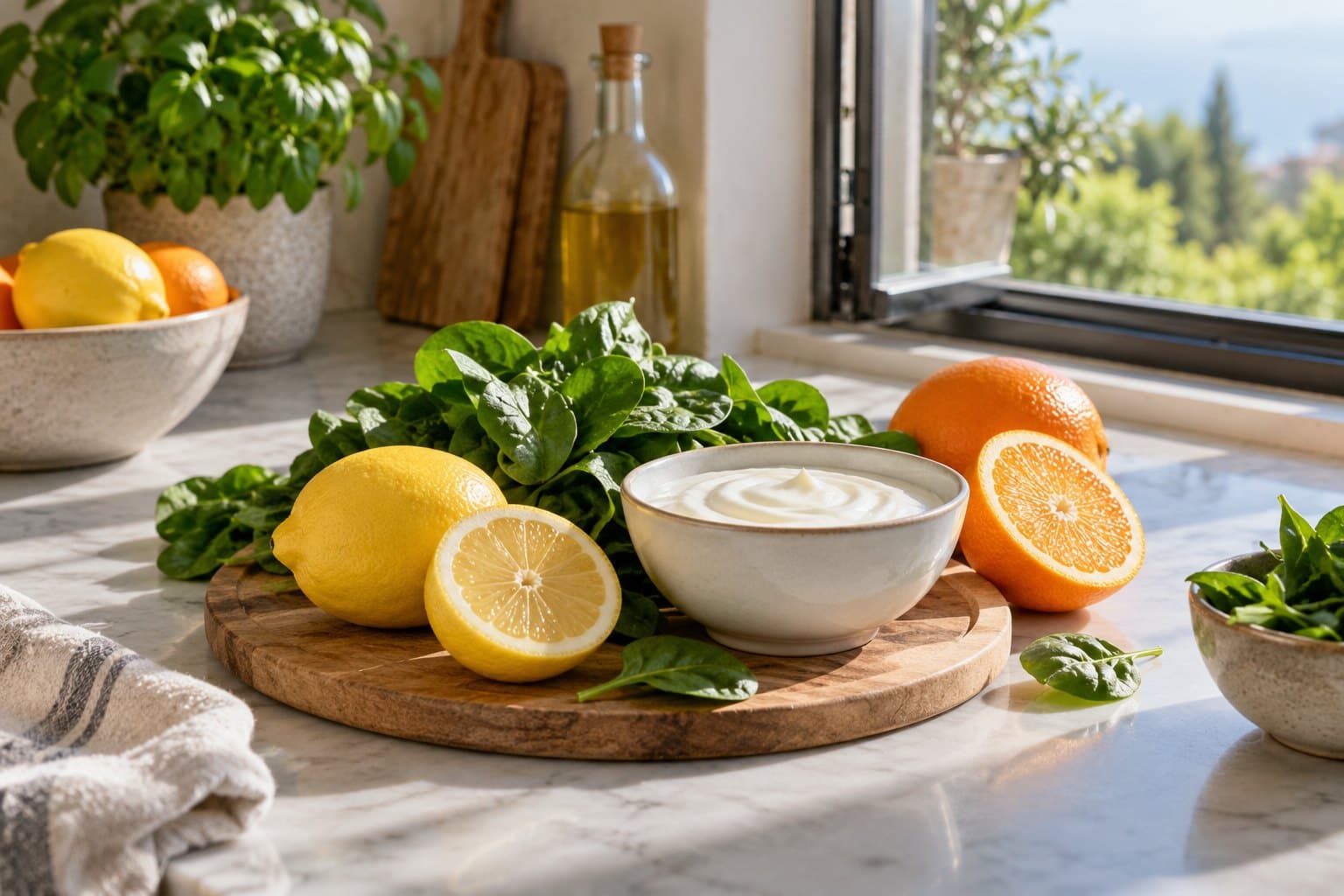
Table of Contents
- Sleep and Stress
- A Varied, Colourful Diet
- Activity, Sun and Not Smoking
- Prevention Beats Boosting
- What Genuinely Supports Immunity, and What Does Not
- Related Medicines & Tools
- Frequently Asked Questions
- How can I boost my immune system naturally?
- Which foods boost immunity?
- Does vitamin C prevent colds?
- Can supplements really boost immunity?
- Why do I keep getting sick?
- Can a supplement boost my immunity overnight?
- Does vitamin D affect immunity?
- Does exercise help the immune system?
Quick Answer
There is no single food or supplement that supercharges immunity, but several habits genuinely support it: enough sleep, a varied diet rich in fruit, vegetables and protein, regular activity, managing stress, avoiding smoking, and correcting real deficiencies like vitamin D. Basic measures like handwashing and staying up to date with vaccines prevent infection directly. Beware products promising to boost immunity overnight; the boring basics work best.
Every cold and flu season in Pakistan brings a wave of products promising to boost immunity. The honest picture is less dramatic but more useful: you cannot rev up the immune system on demand, but you can either support it or undermine it through daily habits. Here is what genuinely helps, and what to ignore.
Sleep and Stress
Sleep is one of the most underrated pillars of immunity. Regular, sufficient sleep helps the immune system function well, while chronic sleep deprivation weakens it and makes infections more likely. Aiming for a consistent sleep schedule does more for your immunity than most supplements.
Long-term stress also suppresses immune function. Managing stress through routine, prayer or relaxation, time with family, and not overloading yourself supports both mind and immune health. These are not soft extras; they have real physiological effects.
A Varied, Colourful Diet
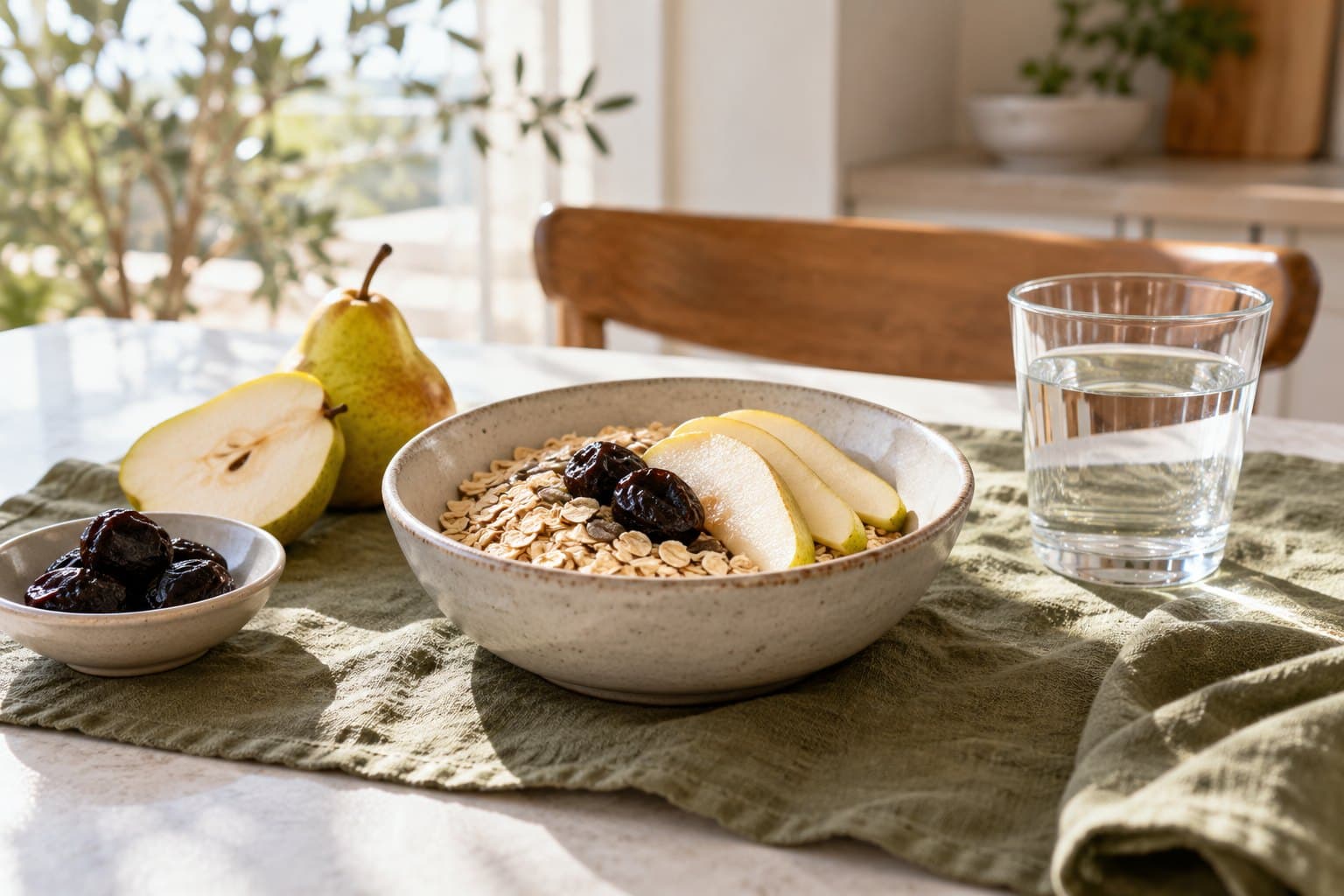
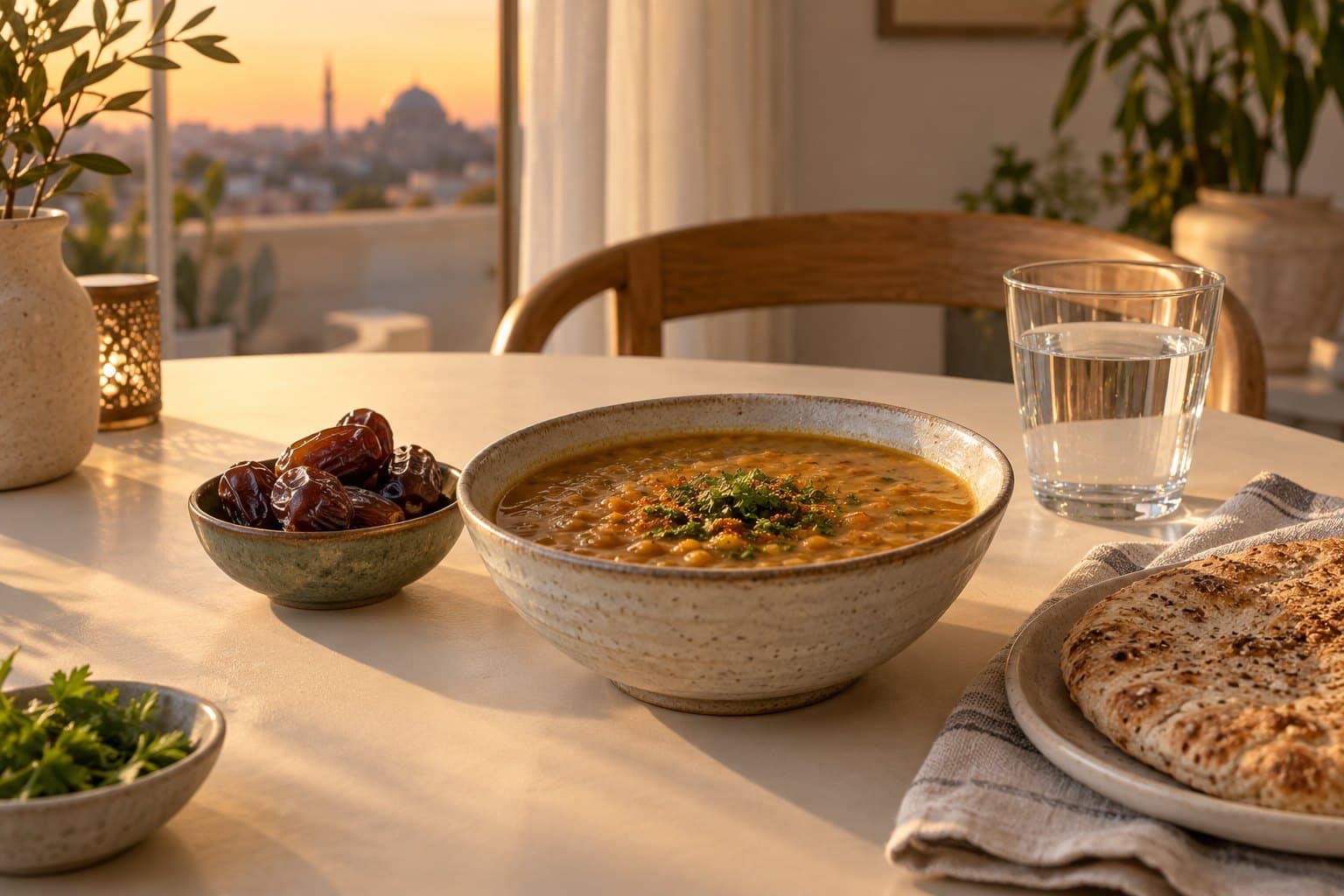
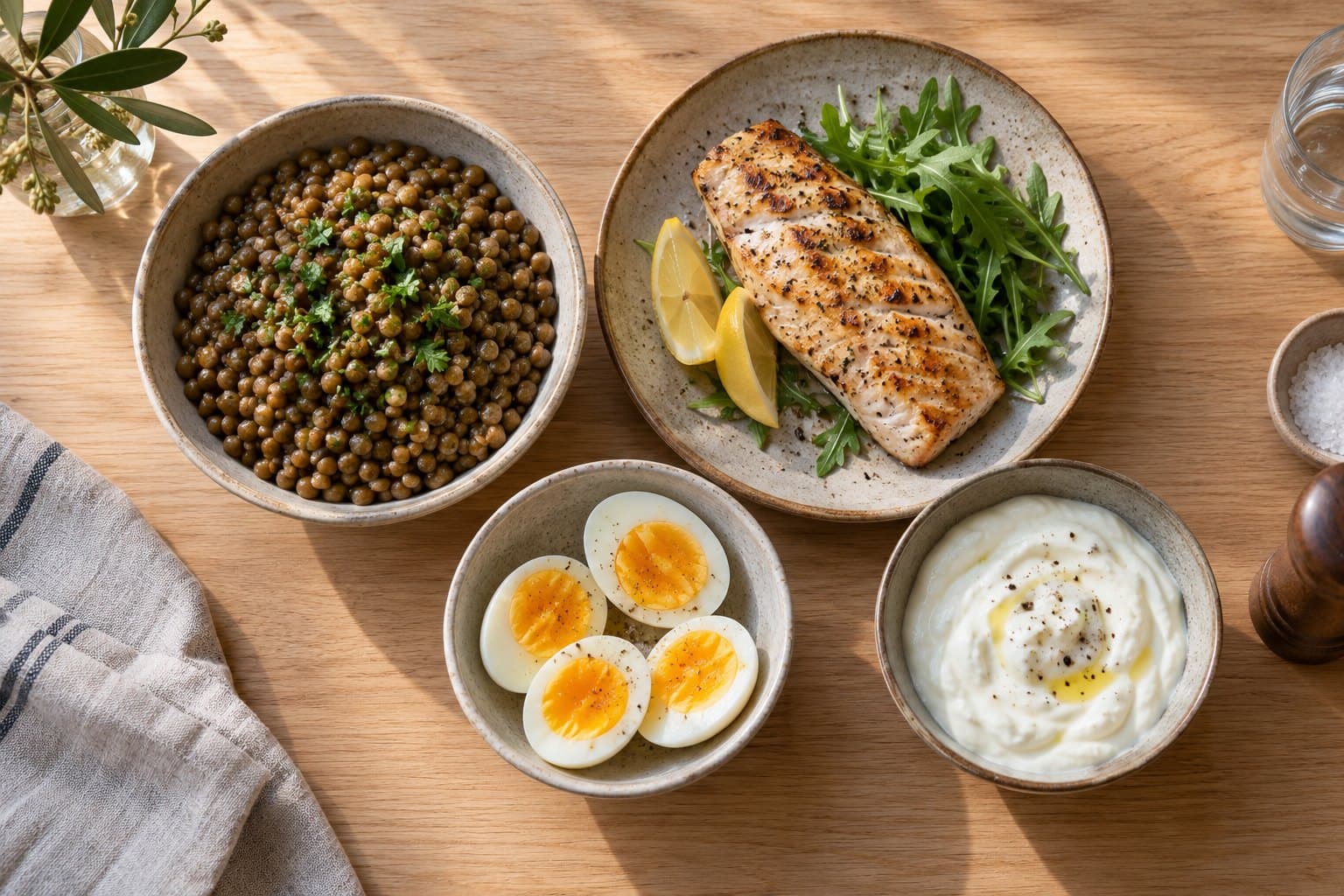
No single food boosts immunity, but a varied diet supplies the nutrients the immune system needs. Plenty of vegetables and fruit provide vitamins and antioxidants, protein supports the production of immune cells, and a healthy gut, fed by fibre and fermented foods like yoghurt (dahi), supports immunity too. Common Pakistani foods, citrus, guava, greens, daal, dahi, cover much of this.
Correcting genuine deficiencies matters more than megadoses. Vitamin D deficiency is widespread in Pakistan and does affect immunity, so getting it checked and corrected is worthwhile, unlike loading up on vitamin C in the hope of preventing colds.
Activity, Sun and Not Smoking
Regular moderate exercise supports immune function and overall health, though extreme overtraining can temporarily lower it. A daily walk is plenty. Safe sun exposure helps the body make vitamin D. Not smoking, and avoiding second-hand smoke and heavy air pollution where possible, protects the lungs and immune defences, which matters during smog season.
Prevention Beats Boosting
The most effective way to avoid infections is to prevent them reaching you. Regular handwashing, especially before eating and after being out, cuts the spread of many illnesses. Staying up to date with recommended vaccines, including the flu vaccine for those advised to have it, directly protects against specific infections. These simple measures do more than any immunity tonic.
Supporting Your Immunity
Boring basics that actually work
Sleep Well
Consistent, sufficient sleep supports immune function.
Varied Diet
Vegetables, fruit, protein and dahi supply key nutrients.
Move & Get Sun
Moderate activity and safe sun for vitamin D.
Prevent Infection
Handwashing and vaccines protect you directly.
Be Wary of Immunity Claims
Products promising to boost immunity overnight are usually overselling. There is no quick fix. If you get frequent, severe or unusual infections, that is a reason to see a doctor to check for an underlying cause, not to buy more supplements.
What Genuinely Supports Immunity, and What Does Not
It is worth being clear about the difference between habits that genuinely support immune function and products that merely claim to. The evidence-backed levers are unglamorous: enough sleep, a varied diet with adequate protein and plenty of vegetables and fruit, regular moderate activity, avoiding smoking, and managing stress. Correcting a real deficiency also helps, and vitamin D deficiency, which is common in Pakistan, is worth checking, since vitamin D plays a role in immune defence.
What does not work is the promise of an overnight immune boost from a single supplement or tonic. Megadoses of vitamin C do not prevent colds in well-nourished people, and no food supercharges the immune system on demand. Zinc matters for immune cells, but supplements mainly help when you are actually deficient. Meanwhile the most effective protection against infection is often the simplest: regular handwashing, especially before eating, and staying up to date with recommended vaccines, which directly prevent specific illnesses far more reliably than any immunity product.
Related Medicines & Tools
See the pages below for related content.
For a key nutrient, see our guide to the best vitamin C in Pakistan, and for cold and flu care, our home remedies for flu.
Frequently Asked Questions
How can I boost my immune system naturally?
Support it with consistent habits rather than a single fix: get enough sleep, eat a varied diet rich in fruit, vegetables and protein, exercise moderately, manage stress, do not smoke, and correct real deficiencies like vitamin D. Handwashing and staying up to date with vaccines prevent infections directly. There is no food or pill that supercharges immunity overnight, but these basics genuinely help it function well.
Which foods boost immunity?
No single food boosts immunity, but a varied, colourful diet supplies the nutrients the immune system needs. Vegetables and fruit like citrus, guava and greens provide vitamins and antioxidants, protein supports immune-cell production, and yoghurt (dahi) and fibre support a healthy gut. Common Pakistani foods cover much of this. Correcting a genuine deficiency, such as vitamin D, matters more than megadoses of any one nutrient.
Does vitamin C prevent colds?
For well-nourished people, regular vitamin C does not prevent colds and only modestly affects them at best. It is not the immunity shortcut it is often sold as. A varied diet usually supplies enough vitamin C. The more impactful steps for immunity are good sleep, a balanced diet, activity, and correcting a real deficiency like vitamin D, along with handwashing and vaccines to prevent infection.
Can supplements really boost immunity?
Supplements help mainly when they correct a genuine deficiency, such as vitamin D, which is common in Pakistan and does affect immunity. Beyond that, taking megadoses of vitamins in a well-nourished person offers little benefit and can waste money or cause harm. Be wary of products promising to boost immunity overnight; the evidence supports habits like sleep and diet far more than immunity tonics.
Why do I keep getting sick?
Frequent minor infections often reflect exposure, stress, poor sleep, or run-down habits rather than a broken immune system, and improving the basics helps. However, if you get unusually frequent, severe or persistent infections, that is worth seeing a doctor about, since it can occasionally point to an underlying condition. Rather than stacking supplements, address sleep, diet and stress, and get checked if the pattern is concerning.
Can a supplement boost my immunity overnight?
No. Despite the marketing, no single supplement or tonic supercharges the immune system on demand. Supplements mainly help when they correct a genuine deficiency, such as vitamin D, which is common in Pakistan. For everyone else, megadoses offer little benefit. The habits that genuinely support immunity—sleep, a varied diet, activity, and avoiding smoking—work gradually, and handwashing and vaccines prevent infection far more reliably than any immunity product.
Does vitamin D affect immunity?
Yes, vitamin D plays a role in the immune system's defences, and deficiency, which is very common in Pakistan due to limited sun exposure and diet, can weaken immune function. This makes vitamin D one of the few supplements genuinely worth checking and correcting, ideally guided by a blood test. Beyond correcting a real deficiency, though, taking extra vitamin D does not give a well-supplied person an added immune boost.
Does exercise help the immune system?
Yes, regular moderate exercise supports immune function and overall health, and people who are active tend to get fewer infections. A daily walk or other moderate activity is plenty. The exception is that very intense, prolonged exercise without enough recovery can temporarily lower immunity, so the goal is consistent moderate activity rather than occasional extreme sessions. Combined with good sleep and a varied diet, it is one of the genuine supports for immunity.
Medical Sources
Tags
Share
Medical disclaimer
Ye article sirf educational maqsad ke liye hai. Personal diagnosis, dosing, aur treatment decision ke liye doctor se mashwara karein.