Uric Acid Diet: Foods to Eat & Avoid in Pakistan
High uric acid and gout attacks are common in Pakistan. A practical diet guide to the foods that raise uric acid, the ones that lower it, how hydration and daal fit in, and the everyday habits that reduce painful flares.
A named review is not recorded for this article. Confirm medical advice with a qualified clinician.
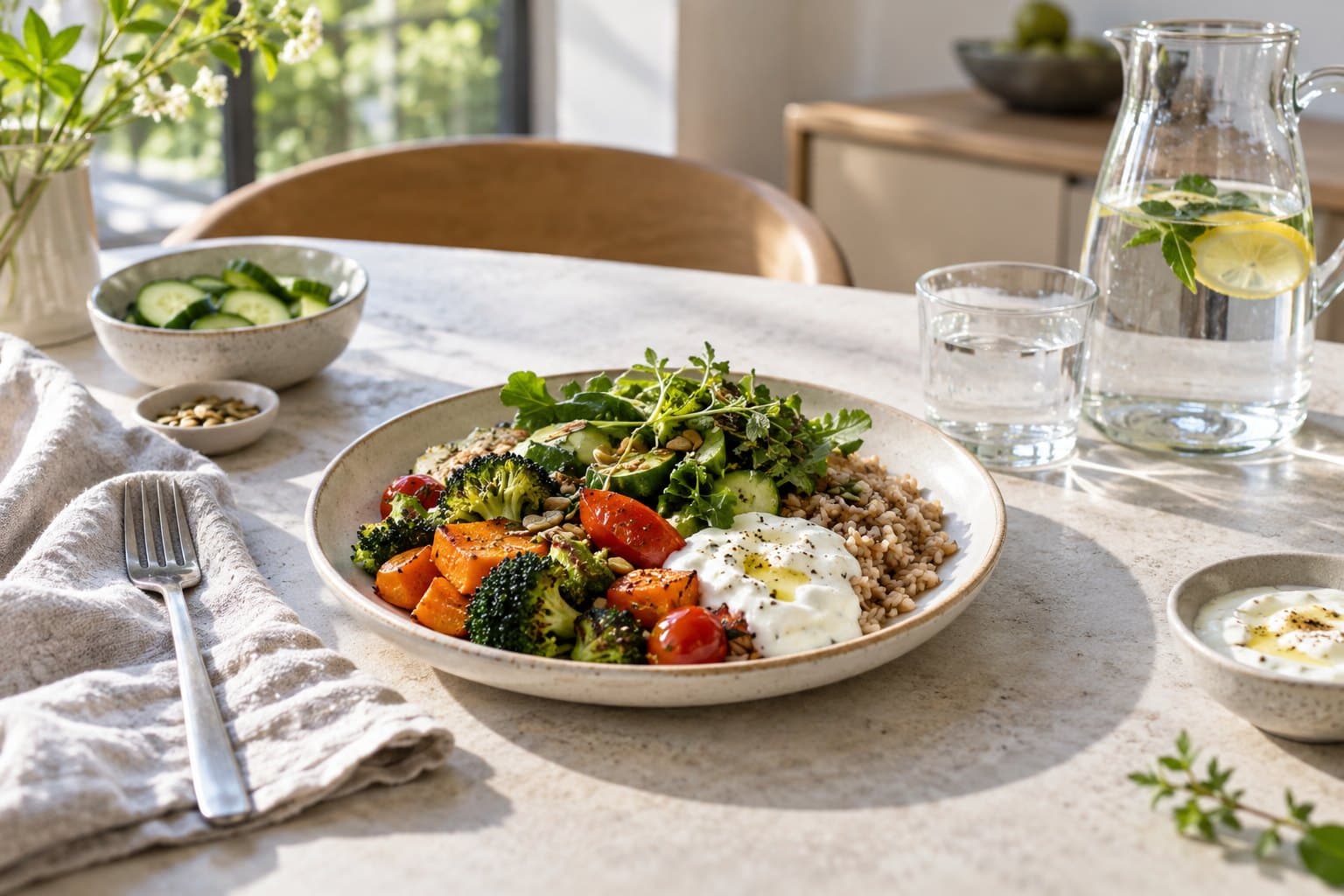
Table of Contents
- What Raises Uric Acid
- Foods That Help
- The Daal and Vegetable Myth
- Everyday Habits That Reduce Flares
- How Much Diet Actually Lowers Uric Acid
- Related Medicines & Tools
- Frequently Asked Questions
- What foods should I eat to lower uric acid?
- What foods raise uric acid the most?
- Can I eat daal if I have high uric acid?
- Does drinking water help lower uric acid?
- Can diet alone control gout?
- Can diet alone cure gout?
- Do cherries really help with gout?
- Does drinking water lower uric acid?
Quick Answer
To manage high uric acid, cut back on high-purine foods: red meat, organ meats (kaleji, maghaz), and seafood, and avoid sugary drinks and alcohol. Favour low-fat dairy, vegetables, whole grains, and plenty of water, which helps flush uric acid. Moderate amounts of daal and most vegetables are fine despite old myths. Weight loss and hydration matter as much as any single food. Diet supports, but does not replace, prescribed medicine.
High uric acid (yourik acid) and the gout attacks it can cause are increasingly common in Pakistan, showing up as sudden, severe pain often in the big toe. Diet plays a real role in managing it, though it works alongside medication rather than instead of it. Knowing which foods push uric acid up, and which help, gives you practical control over flares.
What Raises Uric Acid
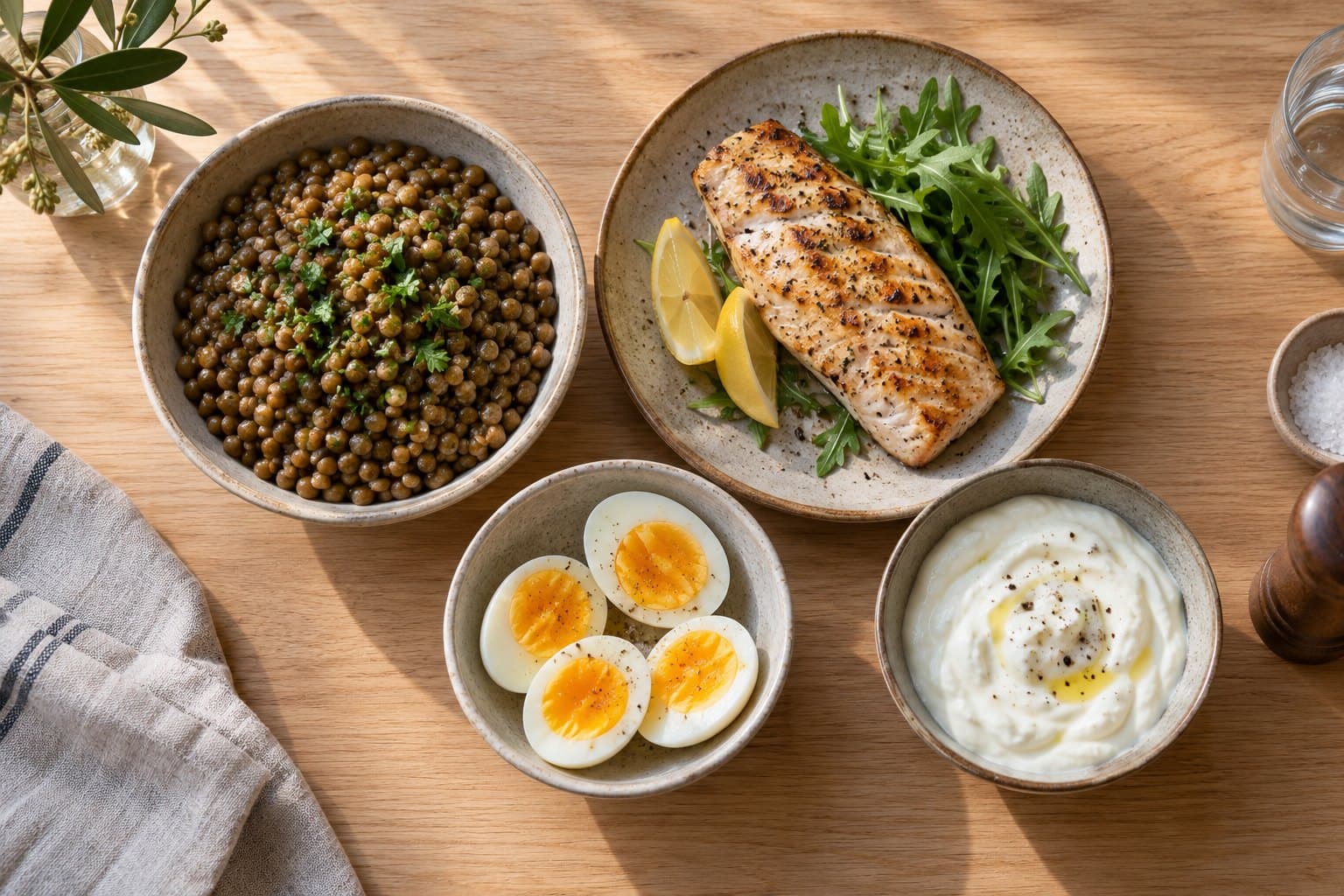
Uric acid comes from the breakdown of purines, substances found in certain foods. The biggest dietary contributors are high-purine foods: red meat (beef, mutton), organ meats like liver (kaleji) and brain (maghaz), and some seafood. Sugary drinks and foods high in fructose also raise uric acid, and alcohol, especially, both raises it and triggers attacks.
Cutting these back is the single most useful dietary change for someone with high uric acid or gout.
Foods That Help
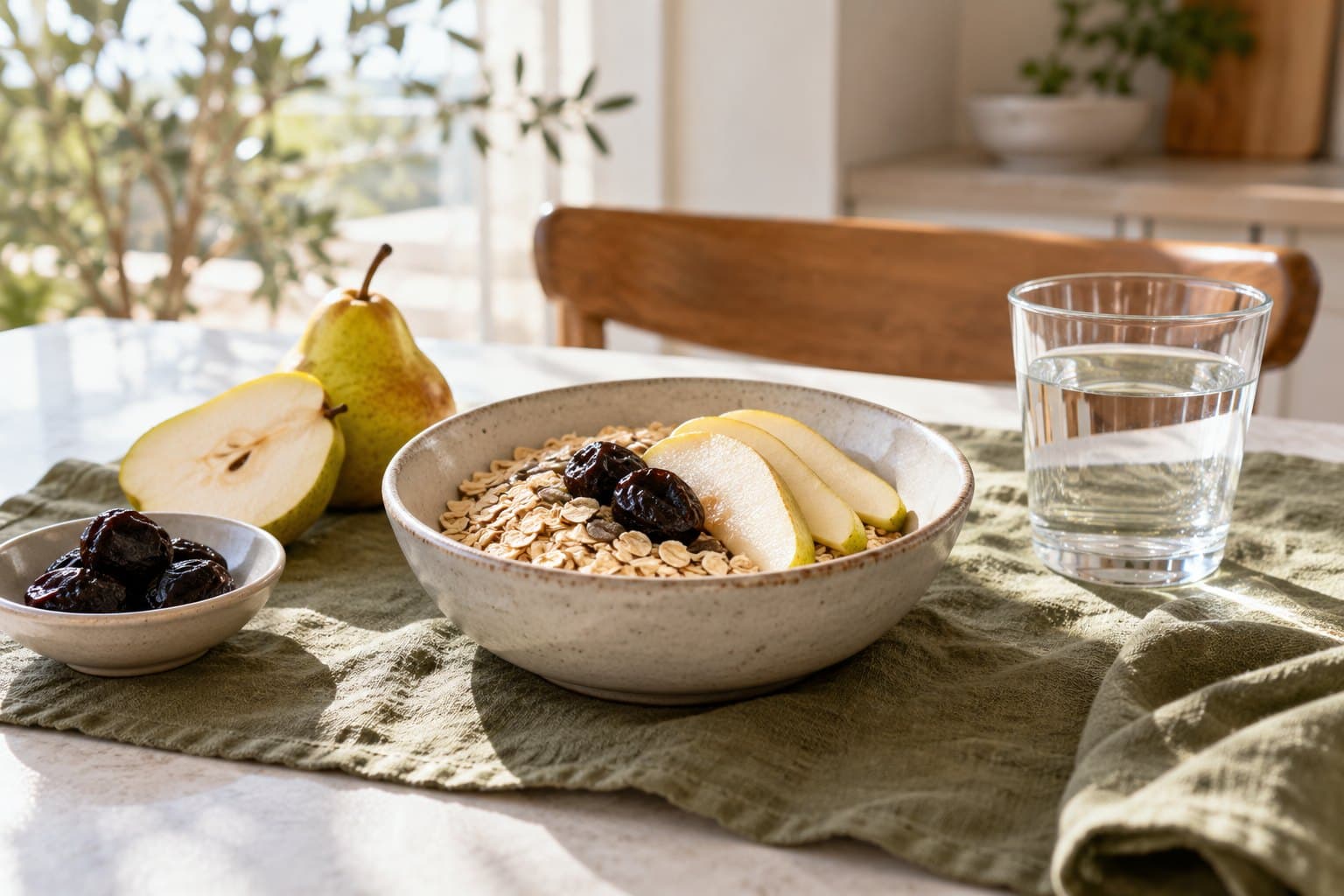
Some foods are genuinely helpful. Low-fat dairy like milk and yoghurt (dahi) is linked to lower uric acid. Most vegetables, whole grains, and fruits are good choices, and cherries in particular have some evidence for reducing gout flares. Coffee, in moderation, is associated with lower uric acid in some studies.
Hydration is a quiet hero here: drinking plenty of water helps the kidneys flush uric acid and reduces the chance of it crystallising in joints.
The Daal and Vegetable Myth
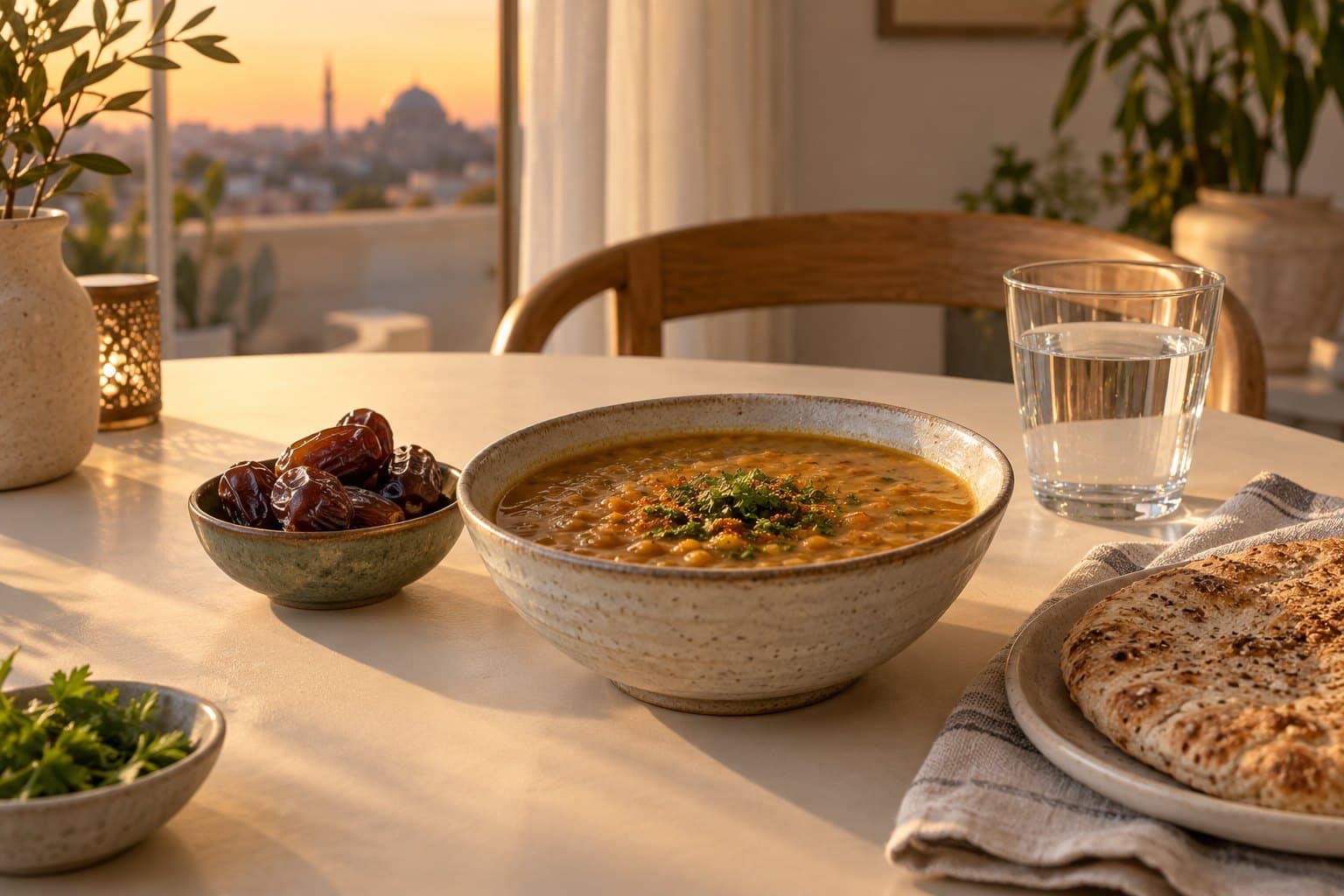
A common worry in Pakistan is that daal (lentils) and certain vegetables like spinach and cauliflower cause gout because they contain purines. The evidence is reassuring: plant purines do not raise gout risk the way animal purines do, and pulses are a healthy protein source that can be eaten in moderation. So you do not need to give up daal to manage uric acid, which is welcome news in a largely daal-based diet.
Everyday Habits That Reduce Flares
Beyond specific foods, a few habits make a big difference. Losing excess weight lowers uric acid, but crash dieting can trigger a flare, so gradual weight loss is better. Staying well hydrated, limiting sugary drinks, cutting alcohol, and not skipping meals all help. Consistency matters more than perfection; the aim is a sustainable pattern, not a brief strict phase.
Uric Acid Diet at a Glance
Favour these, limit those
Favour Low-Fat Dairy
Milk and dahi are linked to lower uric acid.
Vegetables & Daal OK
Plant purines do not raise gout risk; eat in moderation.
Limit Red & Organ Meat
Beef, mutton, kaleji and maghaz are high-purine.
Avoid Sugary Drinks
Fructose and alcohol raise uric acid and trigger gout.
Diet Is Not a Substitute for Treatment
If you have gout or very high uric acid, diet helps but is not enough on its own. Do not stop any prescribed medicine. See a doctor for recurrent attacks, since long-term treatment prevents joint damage and kidney problems that diet alone cannot.
How Much Diet Actually Lowers Uric Acid
It helps to be realistic about what diet can do. Around 70 percent of the body's uric acid is made internally, and only the rest comes from food, which means even a strict low-purine diet can lower uric acid by at most about 30 percent. That is why diet supports treatment but often cannot replace medicine for established gout.
Within that limit, some choices genuinely help. Alcohol is one of the strongest triggers: studies show beer can raise uric acid by around 6.5 percent, and it also slows the body's removal of it, so cutting alcohol has an outsized effect. Tart cherries, rich in polyphenols, have evidence for lowering uric acid and reducing gout flares. Low-fat dairy is linked to lower levels, while sugary drinks high in fructose push them up. Hydration matters too, since water helps the kidneys flush uric acid out.
Related Medicines & Tools
See the pages below for related content.
For the specific foods to cut, see our list of foods to avoid in high uric acid, and for joint pain generally, our guide to joint pain causes and self-care.
Frequently Asked Questions
What foods should I eat to lower uric acid?
Favour low-fat dairy like milk and dahi, which is linked to lower uric acid, along with most vegetables, whole grains and fruits. Cherries have some evidence for reducing gout flares, and staying well hydrated helps the kidneys flush uric acid. Moderate coffee may help too. These, combined with cutting high-purine meats and sugary drinks, form the core of a uric-acid-friendly diet.
What foods raise uric acid the most?
The biggest dietary contributors are high-purine foods: red meat like beef and mutton, organ meats such as liver (kaleji) and brain (maghaz), and some seafood. Sugary drinks and foods high in fructose also raise uric acid, and alcohol both raises it and triggers gout attacks. Cutting these back is the most useful single change for high uric acid.
Can I eat daal if I have high uric acid?
Yes, in moderation. Despite a common belief in Pakistan, plant purines from daal and vegetables like spinach do not raise gout risk the way animal purines do. Pulses are a healthy protein source and do not need to be avoided for uric acid. This is reassuring in a diet built around daal, so you can keep eating it sensibly.
Does drinking water help lower uric acid?
Yes. Staying well hydrated helps the kidneys flush uric acid and reduces the chance of it forming crystals in the joints, which cause gout attacks. Drinking plenty of water through the day is one of the simplest and most effective habits for managing uric acid. Cutting sugary drinks and alcohol at the same time makes hydration even more helpful.
Can diet alone control gout?
Diet helps manage uric acid and can reduce flares, but for established gout or very high uric acid it is usually not enough on its own. Prescribed medicine lowers uric acid more reliably and prevents joint damage and kidney problems over time. Do not stop any medicine your doctor has prescribed. The best results come from combining a sensible diet with proper medical treatment.
Can diet alone cure gout?
Usually not. Because roughly 70 percent of uric acid is made inside the body, diet can lower blood levels by at most about 30 percent. So diet reduces flares and supports treatment, but for established gout it is rarely enough on its own. Prescribed medicine lowers uric acid more reliably and prevents joint damage. The best results come from combining a sensible diet with proper medical treatment.
Do cherries really help with gout?
There is some evidence that tart cherries, or tart cherry juice, can lower uric acid and reduce the risk of gout attacks, thanks to their polyphenol and anthocyanin content. They are a reasonable addition to a gout-friendly diet, but they are a supplement to, not a replacement for, cutting alcohol and high-purine foods, staying hydrated, and taking any prescribed medicine.
Does drinking water lower uric acid?
Staying well hydrated helps the kidneys flush uric acid out of the body and reduces the chance of it crystallising in the joints, which triggers gout attacks. While water does not dramatically lower blood uric acid on its own, good hydration is a simple, useful part of managing the condition, especially in Pakistan's heat. Aim to drink water steadily through the day, and cut sugary drinks and alcohol, which push uric acid up.
Medical Sources
Tags
Share
Medical disclaimer
Ye article sirf educational maqsad ke liye hai. Personal diagnosis, dosing, aur treatment decision ke liye doctor se mashwara karein.