Iron-Rich Foods in Pakistan: Best Sources & Tips
Iron deficiency is widespread in Pakistan, but the right foods and a few absorption tricks can prevent it. A guide to the best desi iron sources, how to absorb more, what blocks iron, and when food is not enough.
A named review is not recorded for this article. Confirm medical advice with a qualified clinician.
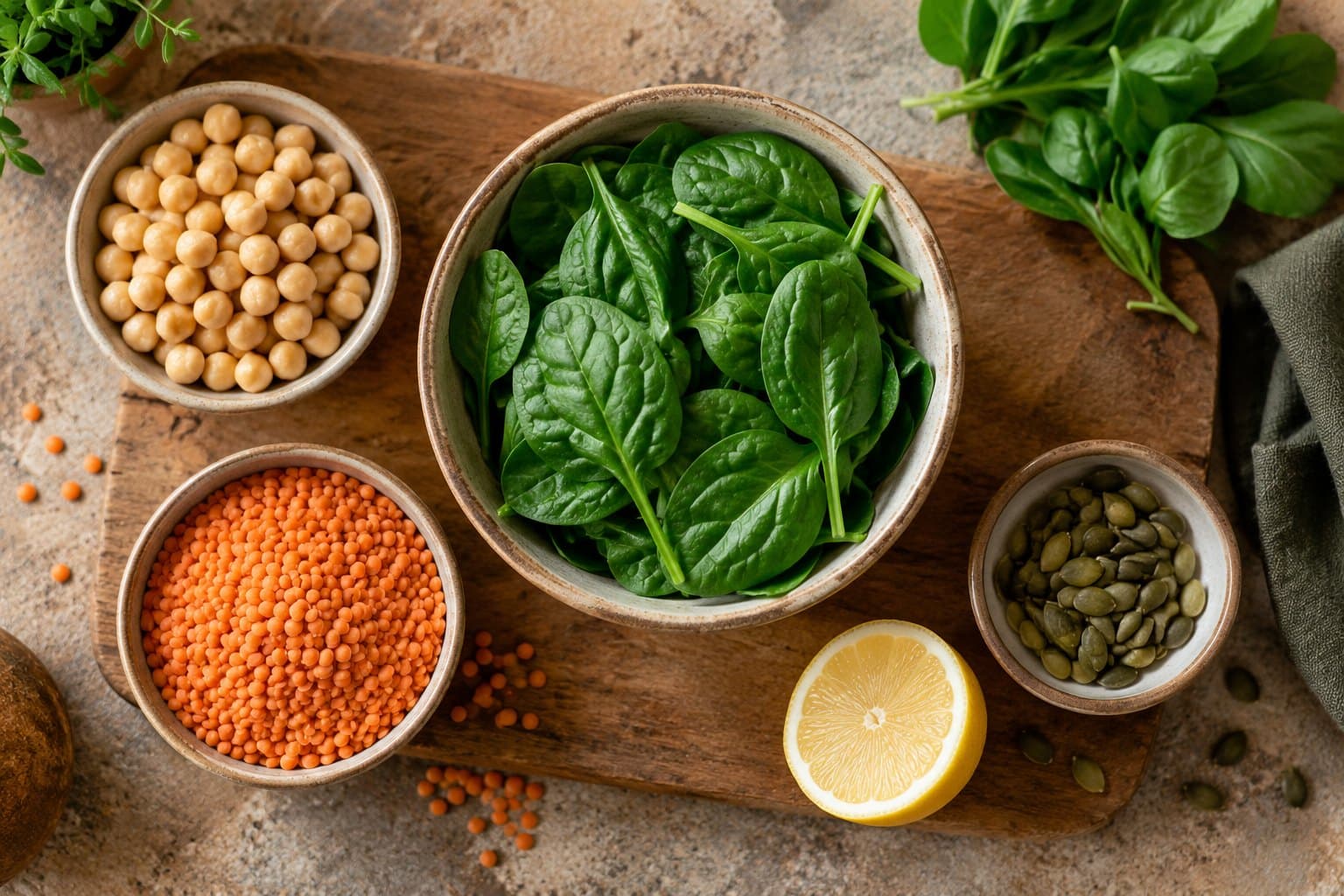
Table of Contents
- The Best Animal Sources
- The Best Plant Sources
- Boost Absorption, Avoid Blockers
- When Food Is Not Enough
- Heme vs Non-Heme Iron: Why the Source Matters
- Related Medicines & Tools
- Frequently Asked Questions
- What foods are highest in iron in Pakistan?
- How can I absorb more iron from food?
- Can I get enough iron without eating meat?
- Does spinach really give a lot of iron?
- When should I take iron tablets instead of relying on food?
- Why is iron from meat better absorbed?
- How can vegetarians get enough iron?
- Does cooking in an iron pot add iron to food?
Quick Answer
The richest iron sources are animal foods, red meat, liver (kaleji) and eggs, whose iron the body absorbs easily. Plant sources like spinach, daal, beans, dates and jaggery (gur) also help, especially when paired with vitamin C to boost absorption. Tea, coffee and dairy taken with meals block iron, so keep them apart. A good diet prevents deficiency, but established anaemia usually needs iron tablets.
Iron deficiency is one of the most common nutritional problems in Pakistan, especially among women and children, and it leaves people tired, pale and short of breath. Food is the first line of defence, and Pakistani kitchens have plenty of iron-rich options. The trick is knowing the best sources and how to eat them so your body actually absorbs the iron.
The Best Animal Sources
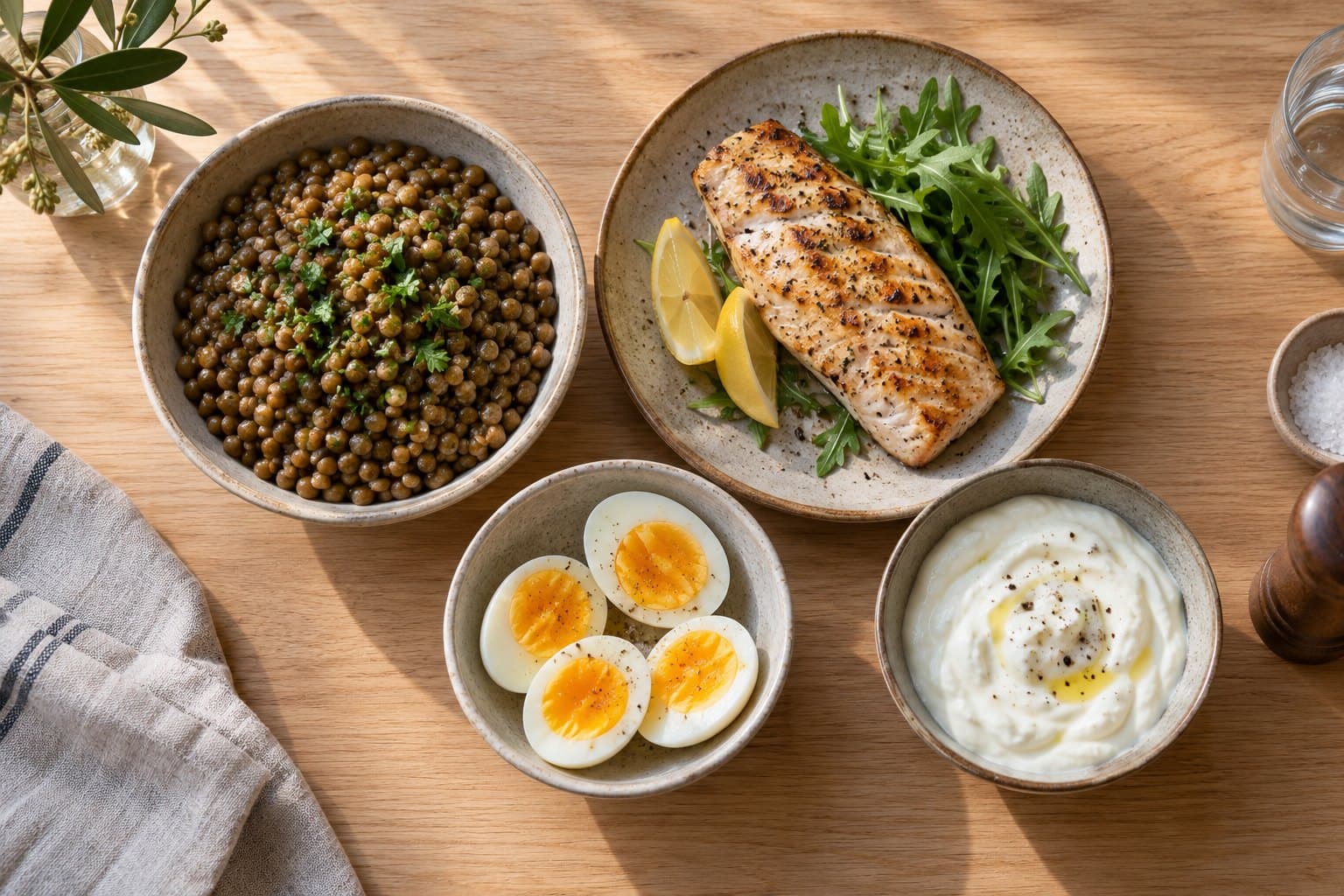
Iron from animal foods, called heme iron, is absorbed far more easily than plant iron. The best sources are red meat (beef, mutton), liver (kaleji), and eggs. Chicken and fish provide iron too. For people who eat meat, including these a few times a week is an efficient way to keep iron levels up.
Liver is especially iron-dense, though pregnant women should limit it because of its high vitamin A content.
The Best Plant Sources
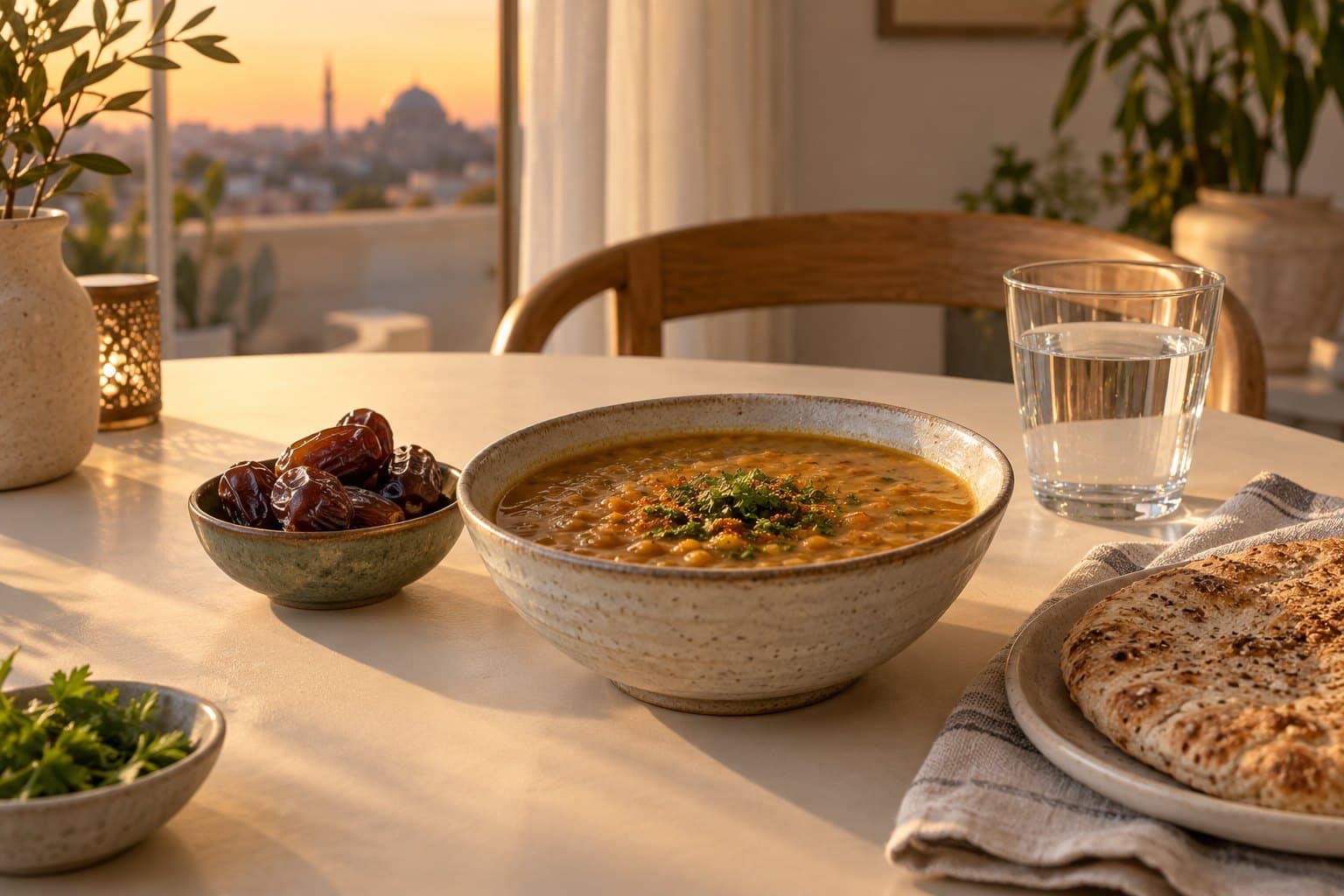
Plant foods also contribute meaningful iron, which matters in a largely daal-based diet. Good sources include spinach (palak) and other dark greens, lentils and beans (daal, lobia, chana), dates (khajoor), dried apricots, jaggery (gur), and sesame seeds. Plant iron is absorbed less easily than animal iron, which is exactly where the next tip becomes important.
Boost Absorption, Avoid Blockers
Vitamin C dramatically improves absorption of plant iron, so pairing iron-rich foods with a vitamin-C source works well: a squeeze of lemon on daal or salad, an orange, guava or amla with a meal. On the other side, tea (chai), coffee and calcium-rich dairy block iron when taken with meals. Drinking a cup of doodh patti right after a daal-roti meal undermines the iron you just ate.
The simple rule: add vitamin C to iron meals, and keep chai and large dairy servings between meals rather than with them.
When Food Is Not Enough
A good diet prevents iron deficiency and supports recovery, but once anaemia is established, food alone often cannot refill iron stores quickly. In that case iron tablets, taken for two to three months, are usually needed, and a doctor should confirm the diagnosis. So think of iron-rich foods as prevention and support, with tablets as treatment when levels are already low.
Getting Enough Iron
Best sources and absorption tips
Animal Iron
Red meat, liver and eggs absorb most easily.
Plant Iron
Palak, daal, beans, dates and gur all help.
Add Vitamin C
Lemon, orange or guava boosts iron uptake.
Keep Chai Apart
Tea, coffee and dairy block iron at meals.
Tiredness May Mean Anaemia
Persistent tiredness, pallor and breathlessness can signal iron-deficiency anaemia, which a simple blood test confirms. If you suspect it, see a doctor rather than only changing your diet, since anaemia has an underlying cause that may need treatment.
Heme vs Non-Heme Iron: Why the Source Matters
Not all dietary iron is absorbed equally, and understanding this makes your food choices more effective. Iron comes in two forms: heme iron, found only in animal foods like red meat, liver and eggs, is absorbed easily and efficiently by the body. Non-heme iron, found in plant foods like daal, spinach, beans and dried fruit, is absorbed far less well, and its uptake is strongly affected by what you eat alongside it.
This is why the same plate can deliver very different amounts of usable iron. Vitamin C dramatically boosts absorption of non-heme iron, so a squeeze of lemon on daal or an orange with a meal makes the plant iron count for much more. Tea, coffee and calcium-rich dairy do the opposite, blocking non-heme iron, so keeping chai away from iron-rich meals matters most for people relying on plant sources. For vegetarians, combining plant iron with vitamin C and avoiding tea at meals largely closes the gap, though they should watch their iron more closely.
Related Medicines & Tools
See the pages below for related content.
For raising low levels, see our guide on how to increase hemoglobin, and for supplements, the best iron tablet in Pakistan.
Frequently Asked Questions
What foods are highest in iron in Pakistan?
Animal sources provide the most easily absorbed iron: red meat like beef and mutton, liver (kaleji), and eggs. Among plant foods, spinach and other greens, lentils and beans such as daal, lobia and chana, plus dates, dried apricots, jaggery (gur) and sesame seeds are good sources. Combining plant iron with a vitamin-C food at the same meal significantly increases how much your body absorbs.
How can I absorb more iron from food?
Pair iron-rich foods with a source of vitamin C, such as lemon, orange, guava or amla, which greatly improves absorption of plant iron. Just as importantly, avoid drinking tea, coffee or large amounts of dairy with iron-rich meals, since these block iron. Keeping chai between meals rather than with them, and adding a squeeze of lemon to daal, makes a real difference.
Can I get enough iron without eating meat?
It is possible but takes more care. Plant sources like daal, beans, spinach, dates and gur provide iron, but it is absorbed less easily than animal iron. Vegetarians can improve absorption by pairing these with vitamin-C foods and avoiding tea with meals. Those who eat no animal products at all should watch their iron closely and consider a blood test, as deficiency is more likely.
Does spinach really give a lot of iron?
Spinach (palak) does contain iron and is a useful plant source, though the iron is absorbed less efficiently than iron from meat, and spinach also contains compounds that slightly reduce absorption. Eating it with a vitamin-C source improves the uptake. So spinach is a worthwhile part of an iron-rich diet, but it is best combined with other sources rather than relied on alone.
When should I take iron tablets instead of relying on food?
Food prevents deficiency and supports recovery, but if you already have iron-deficiency anaemia, diet alone usually cannot refill iron stores fast enough. Then iron tablets, taken for two to three months under a doctor's guidance, are needed. A blood test confirms whether you are anaemic. So use iron-rich foods for prevention and support, and tablets for treating established low iron.
Why is iron from meat better absorbed?
Meat, liver and eggs contain heme iron, a form the body absorbs easily and efficiently. Plant foods contain non-heme iron, which is absorbed far less well and is more affected by other foods. This is why people who eat little or no meat need to be more careful about their iron, pairing plant sources with vitamin C to boost absorption and keeping tea and coffee, which block iron, away from meals.
How can vegetarians get enough iron?
Vegetarians can meet their iron needs with care. Eat plenty of plant iron sources, daal, beans, spinach, dried fruit and fortified foods, and always pair them with a vitamin-C source like lemon, orange or guava, which strongly boosts absorption of plant iron. Keep tea and coffee away from meals, since they block iron. Because plant iron is absorbed less well, vegetarians should watch for symptoms of anaemia and consider a blood test if tired.
Does cooking in an iron pot add iron to food?
Cooking acidic foods, like tomato-based curries, in a cast-iron pot can add a small amount of iron to the food, and some studies suggest it may modestly help iron intake. It is not a reliable treatment for anaemia on its own, but it is a harmless, traditional practice that can contribute a little extra iron alongside an iron-rich diet. For established iron deficiency, food and, when needed, iron tablets remain the main approach.
Medical Sources
Tags
Share
Medical disclaimer
Ye article sirf educational maqsad ke liye hai. Personal diagnosis, dosing, aur treatment decision ke liye doctor se mashwara karein.